
Categories
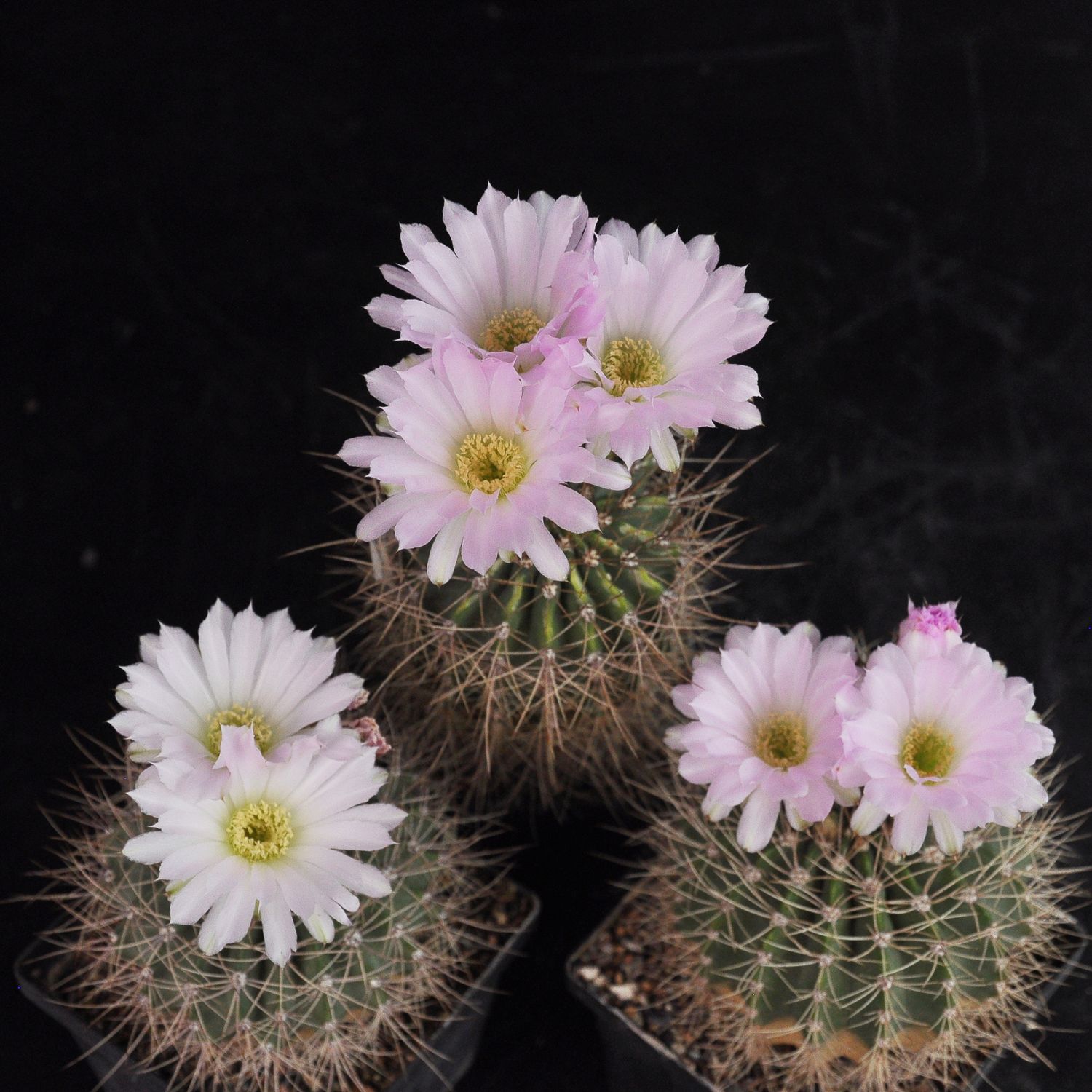
Acanthocalycium Violaceum (P204 Cordoba)
SKU AC002
₹680.00
In stock: 1 available
1
Save this product for later
Customer reviews
Reviews only from verified customers
No reviews yet. You can buy this product and be the first to leave a review.
Acanthocalycium Violaceum (P204 Cordoba)
Product Details
Acanthocalycium violaceum (P204 Cordoba)
1. Origin of Name:
The genus Acanthocalycium comes from the Greek words "acanthos," meaning thorn, and "kalyx," meaning cup or calyx, referring to the spiny or thorn-like structures on the flower buds. The species name violaceum is Latin for "violet-colored," describing the striking color of the flowers that this plant produces. Acanthocalycium violaceum was firstly documented by the renowned botanist Nathaniel Lord Britton in the early 20th century, who contributed significantly to the New York Botanical Garden and various botanical texts. The specific reference P204 Cordoba points to its collection data and ensures that it is a distinctive variety of location-specific interest.
2. Origin of Plant:
Native to the Cordoba region of Argentina, Acanthocalycium violaceum thrives in the semi-arid mountain environments. It was discovered during early 20th-century botanical explorations in South America, which unveiled many unique cactus species adapted to harsh climates and rocky soils. This cactus naturally grows on rocky outcrops and slopes, where it benefits from excellent drainage and abundant sunlight. These characteristics reflect its resilience and adaptability to an environment with fluctuating temperatures and sporadic rainfall.
3. Description:
This spherical to slightly elongate cactus features beautiful ribbed sections covered with dense clusters of short, spiky spines. Its striking aesthetic is enhanced during the blooming season when it erupts with vibrant violet or magenta flowers that create a spectacular contrast against the green body of the cactus. Each flower typically blooms during the day and has a bold, cup-like structure. The cactus itself usually grows to about 4-6 inches in height and 3-4 inches in diameter, making it an excellent choice for container gardening and small spaces. Its eye-catching blooms and compact, spiky form make it a popular choice for collectors and desert-themed displays.
4. Conservation Status:
- Acanthocalycium violaceum* is not currently listed as threatened or endangered; it is relatively common within its native range. However, like many cacti, it is subject to habitat loss, and cultivation from seed or sustainable propagation practices can help ensure its proliferation in gardens worldwide. Conservation efforts focus on protecting its natural habitats in Argentina and promoting responsible collection and trade practices.
5. Care:
- Watering: Water sparingly, allowing the soil to dry out completely between sessions. Overwatering can lead to root rot, especially in cooler months.
- Soil: Prefers well-draining cactus or succulent soil mixed with sand or perlite to enhance drainage.
- Light: Thrives in full sun to partial shade. Bright, direct sunlight encourages flowering and maintains its vibrant color.
- Temperature: Prefers warm temperatures between 65°F and 85°F (18°C to 29°C). Protect from frost by bringing indoors or using cold protection in the winter.
- Additional Tips: Fertilize lightly during the growing season with a balanced, water-soluble cactus fertilizer. Its robust nature makes it ideal for novice and experienced growers alike. Repot every few years to refresh the soil and accommodate its growth.
You May Also Like
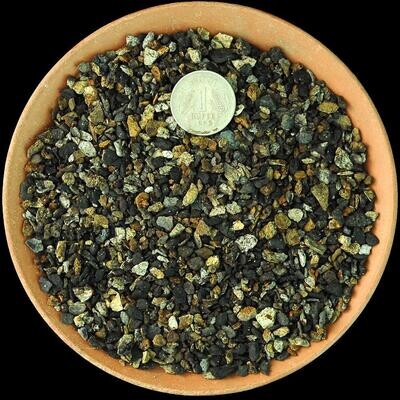
Cactus & Succulent Planting Mix COARSE (aka Cactus Soil Mix or Succulent Soil Mix)
Cactus & Succulent Planting Mix COARSE (aka Cactus Soil Mix or Succulent Soil Mix)
Washed, Free-Draining Mineral Mix for Cactus & Succulents
SKU MNS003
5.0
(1)
₹44.85
New
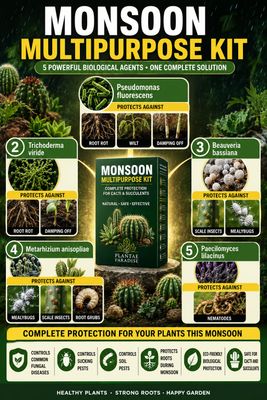
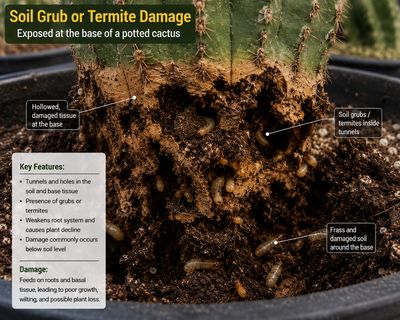
Monsoon Guardian Kit (5 in 1)
Monsoon Guardian Kit (5 in 1)
Complete 5-in-1 biological protection kit for cacti & succulents
SKU MNS024
₹850.00
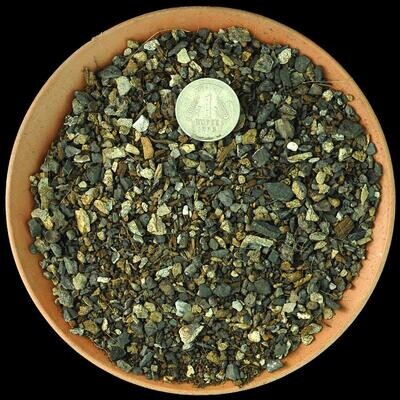
FORTIFIED Cactus & Succulent SOIL (COARSE)
FORTIFIED Cactus & Succulent SOIL (COARSE)
SKU MNS004
5.0
(11)
₹54.85
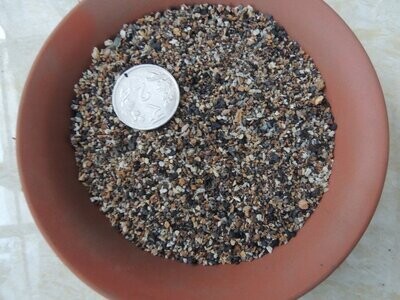
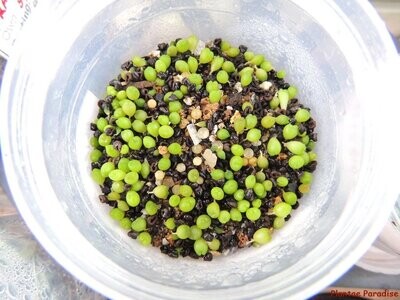
Cactus Seed Planting Mix
Cactus Seed Planting Mix
Sterile, Fine-Grain Media for Cactus & Succulent Seeds
SKU MNS005
₹74.85
Display prices in:INR
