
Categories
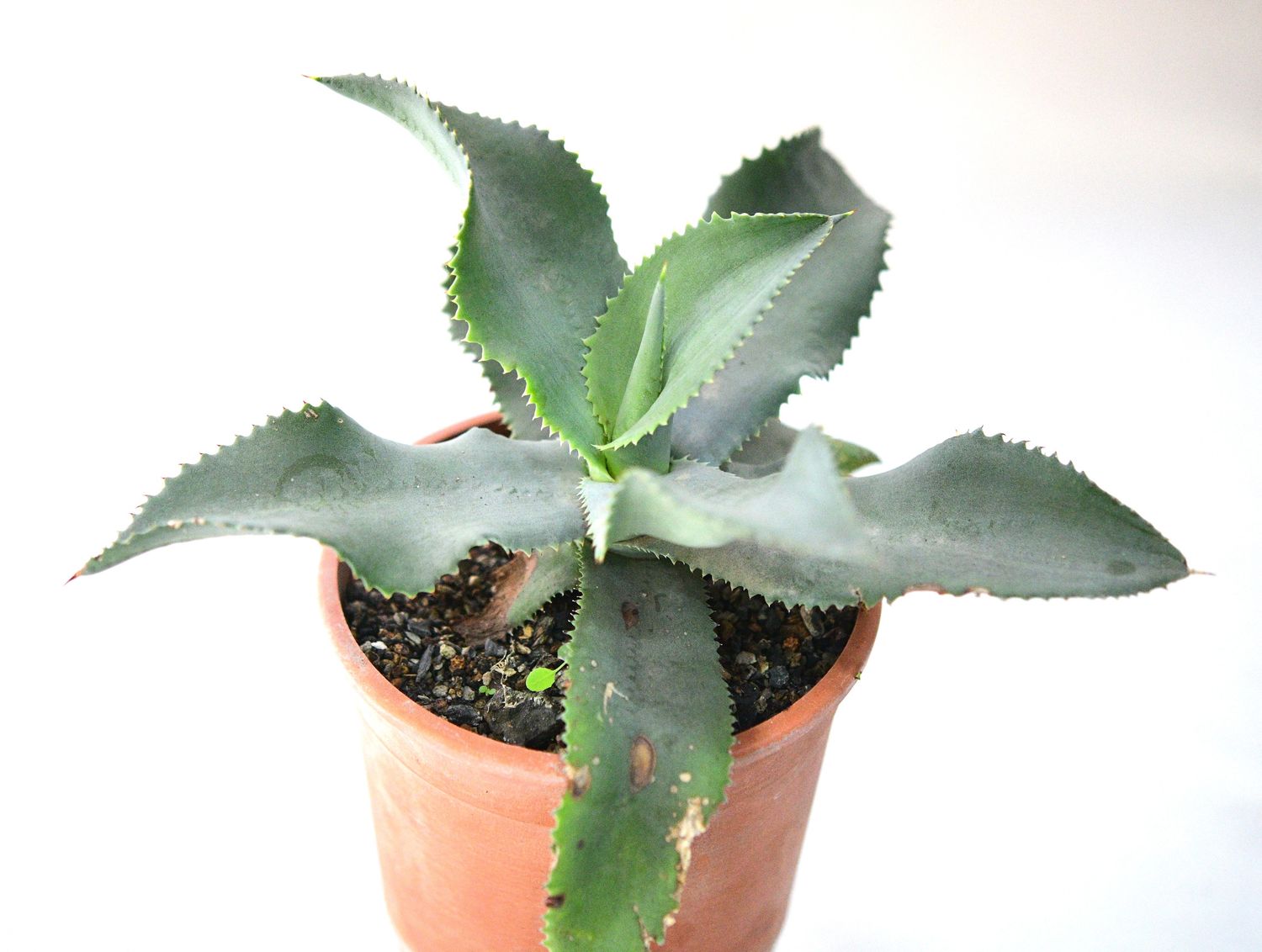
Agave gypsophylla blue curls
SKU AG040B
₹550.00
In stock: 1 available
1
Save this product for later
Customer reviews
Reviews only from verified customers
No reviews yet. You can buy this product and be the first to leave a review.
Agave gypsophylla blue curls
Product Details
A living sculpture of undulating silver-grey — this Agave gypsophylla "Blue Curls" unfurls its leaves in a dramatic pinwheel, each blade rippling and twisting along its length before curling back on itself, the whole rosette dusted in a soft, frosted blue-green bloom. Every leaf edge is stitched with fine, close-set teeth, giving the plant the texture of hammered pewter.
Origin of Name
The genus Agave comes from the Ancient Greek agauē — "noble" or "illustrious" — a name rooted in agauos, itself connected to agasthai, "to wonder at." It's a fitting root for a genus whose flower stalks, when they finally appear after years of patient growth, tower dramatically above the rosette in a single, monumental burst. The species epithet gypsophila is far more literal, meaning "gypsum-loving," referencing the mineral-rich hillsides the wild plant calls home. American botanist Howard Scott Gentry, one of the twentieth century's foremost agave specialists, formally described Agave gypsophila in 1982 after decades of fieldwork across Mexico cataloguing the genus. "Blue Curls" is a selected horticultural cultivar name rather than part of the scientific epithet — chosen simply and descriptively, for the plant's characteristic blue-grey coloring and the pronounced waviness and curling habit of its leaf margins, a trait that sets named selections like this one apart from more typically flat-leaved forms of the species.
Origin of Plant
Agave gypsophila is endemic to a narrow range in the Mexican state of Guerrero, where it grows on gypsum outcrops and calcareous hillsides — exacting, mineral-heavy substrates that few other plants tolerate well. This restricted, specialized habitat is part of why the species remains so geographically confined despite its popularity in cultivation worldwide. The wild population's dependence on this narrow soil type and limited range has made it one of the more vulnerable agaves in its genus.
Description
This is an agave grown for pure textural drama. Its broad, strap-shaped leaves emerge tightly clasped at the center in a vase-like whorl before unfurling into a wide, undulating rosette, each leaf rippling gently along its length and often curling back near the tip. The color is a cool, silvery blue-green, sometimes taking on soft plum tones toward the leaf margins under strong light. Fine, regularly spaced teeth run the full length of each leaf edge — sharp to the touch but delicate in appearance, more like decorative stitching than true armament. Like most agaves, this species is monocarpic: mature plants eventually send up a tall flowering spike crowned in yellow-orange blooms, after which the rosette itself dies, though offsets at the base typically ensure the plant lives on.
Conservation Status
Agave gypsophila is currently assessed as Critically Endangered on the IUCN Red List, a consequence of its highly restricted native range and specialized gypsum-hillside habitat in Guerrero. It is not currently listed under CITES — unlike a handful of other agave species (such as A. parviflora, A. arizonica, and A. victoriae-reginae) that do carry CITES protections — but its wild scarcity makes nursery-propagated specimens like this one especially valuable for keeping the species in cultivation without any pressure on remaining wild populations.
Care
- Light: Full sun along mild coastal climates; light or filtered shade in hotter inland conditions
- Watering: Moderate water in spring and summer once soil has dried; keep notably drier in winter
- Soil: Fast-draining, mineral-based succulent or cactus mix
- Pot: Terracotta preferred over plastic to support faster drying between waterings
- Temperature: Good heat tolerance but frost-sensitive; protect below roughly 25–30°F (-3 to -1°C)
- Feeding: Light, balanced feeding during the growing season is sufficient; this is a slow grower that doesn't demand heavy fertilizing
A Story Worth Telling
Few plants wear their geology as visibly as Agave gypsophila — its very name is a tribute to the gypsum-rich hillsides it calls home, soils so specific and unforgiving that the species has nowhere else to grow in the wild. That narrow, uncompromising habitat is exactly what makes selections like "Blue Curls" so treasured among collectors: each rippling, silver-blue rosette is a cultivated echo of a plant clinging to some of the most demanding real estate in the agave world. It's a reminder that scarcity in nature often produces the very traits — texture, form, unusual color — that make a plant irresistible in a collector's garden.
You May Also Like
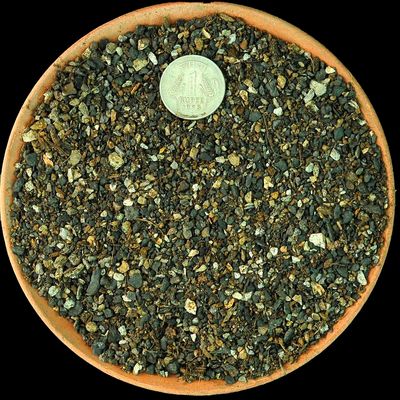
FORTIFIED Cactus & Succulent SOIL (FINE)
FORTIFIED Cactus & Succulent SOIL (FINE)
SKU MNS002
5.0
(4)
₹49.85
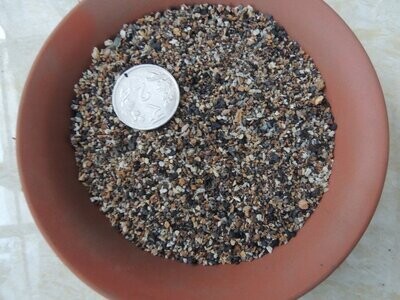
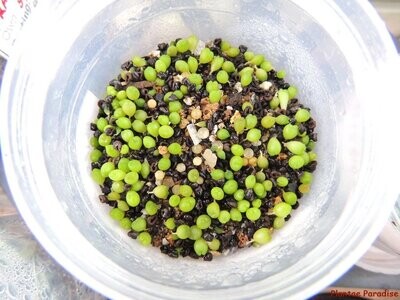
Cactus Seed Planting Mix
Cactus Seed Planting Mix
Sterile, Fine-Grain Media for Cactus & Succulent Seeds
SKU MNS005
₹74.85
New

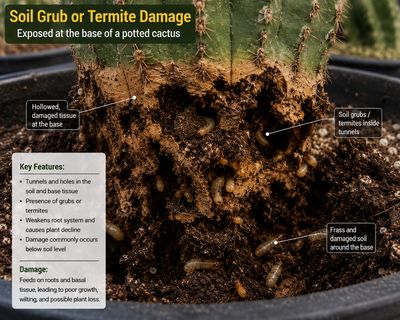
Monsoon Guardian Kit (5 in 1)
Monsoon Guardian Kit (5 in 1)
Complete 5-in-1 biological protection kit for cacti & succulents
SKU MNS024
₹850.00
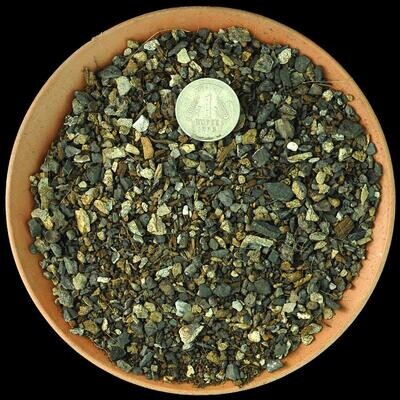
FORTIFIED Cactus & Succulent SOIL (COARSE)
FORTIFIED Cactus & Succulent SOIL (COARSE)
SKU MNS004
5.0
(11)
₹54.85
Display prices in:INR
