
Categories
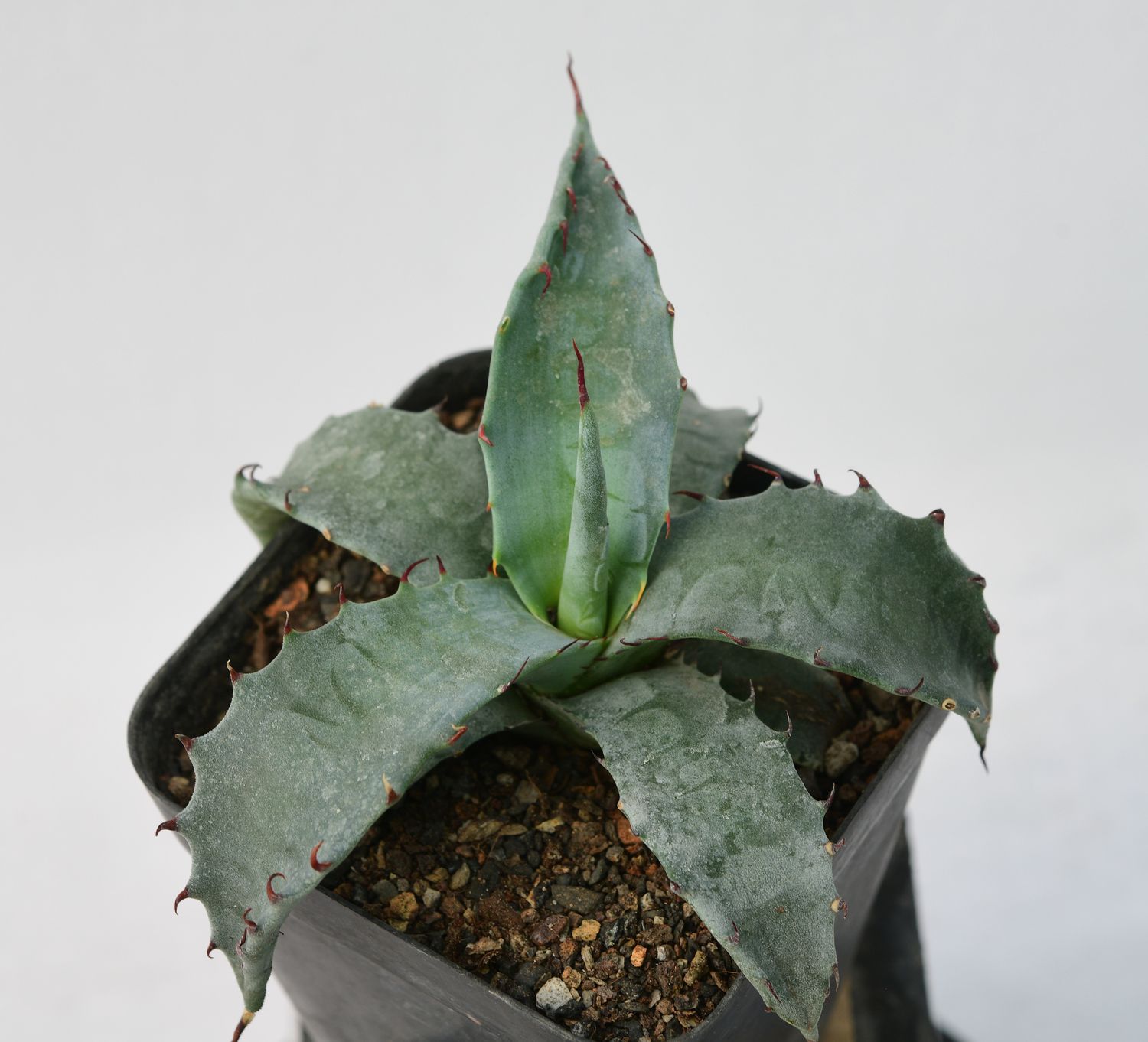
Agave marmorata (Marbled Agave)
SKU AG061
₹350.00
Textured agave with marble-like banded foliage
In stock: 1 available
1
Save this product for later
Customer reviews
Reviews only from verified customers
No reviews yet. You can buy this product and be the first to leave a review.
Agave marmorata (Marbled Agave)
Product Details
The Living Statue: Agave marmorata (Marbled Agave)
Distinguished by its unique sandpaper texture and ghostly transverse banding, this architectural specimen offers a rare, marble-hewn aesthetic for the arid garden.
1. Origin & History of Name The genus name Agave is derived from the Greek agauos, meaning "noble" or "admirable."
2. Morphology This species is architecturally distinct due to its scabrous epidermis; the leaves feel rough like sandpaper rather than smooth. The foliage forms a large, open rosette of broad, recurved leaves featuring zonate variegation—bands of greyish-blue against a green background—resembling marble stone.
3. Habitat & Origin Agave marmorata is a wild species endemic to the arid, tropical deciduous forests of Puebla and Oaxaca, Mexico.
4. Cultivation Profile (Indian Context)
- Substrate: Use a highly porous, mineral-heavy mix (70% pumice, gravel, or coarse sand; 30% organic compost). Excellent drainage is critical to prevent root rot during the humid Indian monsoon.
- Light: Thrives in full sun to bright partial shade.
In the intense heat of Indian summers (May–June), provide filtered afternoon shade to prevent leaf scorch and maintain the contrast of the marbling. - Water/Dormancy: Employ the 'Soak and Dry' method. Water deeply only when the substrate is completely dry. Reduce watering significantly in winter. During the monsoon season, protect from continuous rain to simulate its natural dry-cliff habitat.
5. Scientific/Historical Anecdote Agave marmorata is scientifically notable for its extreme longevity even among agaves; in the wild, it can take up to 25 to 35 years to reach maturity and flower. This slow growth rate makes it one of the most highly prized and scarce sources for wild-harvested "Tepeztate" Mezcal in Oaxaca, contributing to the spirit's intense, spicy flavor profile.
You May Also Like

FORTIFIED Cactus & Succulent SOIL (FINE)
FORTIFIED Cactus & Succulent SOIL (FINE)
SKU MNS002
5.0
(4)
₹49.85
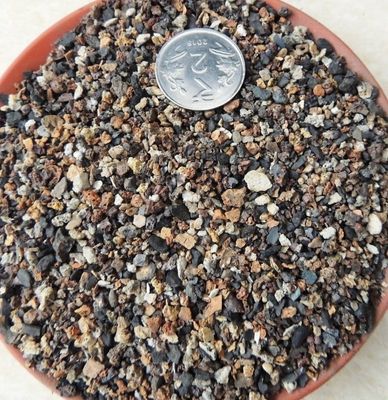
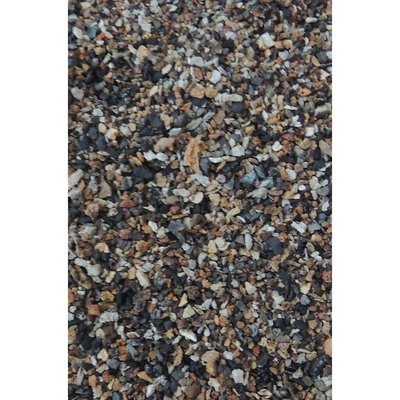
Cactus & Succulent Planting Mix FINE (aka Cactus Soil Mix or Succulent Soil Mix)
Cactus & Succulent Planting Mix FINE (aka Cactus Soil Mix or Succulent Soil Mix)
Fine-Grain Potting Mix for Cactus & Succulent Roots
SKU MNS001
5.0
(3)
₹39.85


Cactus Seed Planting Mix
Cactus Seed Planting Mix
Sterile, Fine-Grain Media for Cactus & Succulent Seeds
SKU MNS005
₹74.85
New
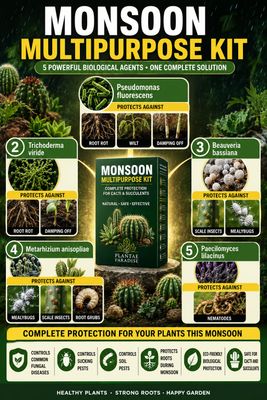
Monsoon Guardian Kit (5 in 1)
Monsoon Guardian Kit (5 in 1)
Complete 5-in-1 biological protection kit for cacti & succulents
SKU MNS024
₹850.00
Display prices in:INR
