
Categories
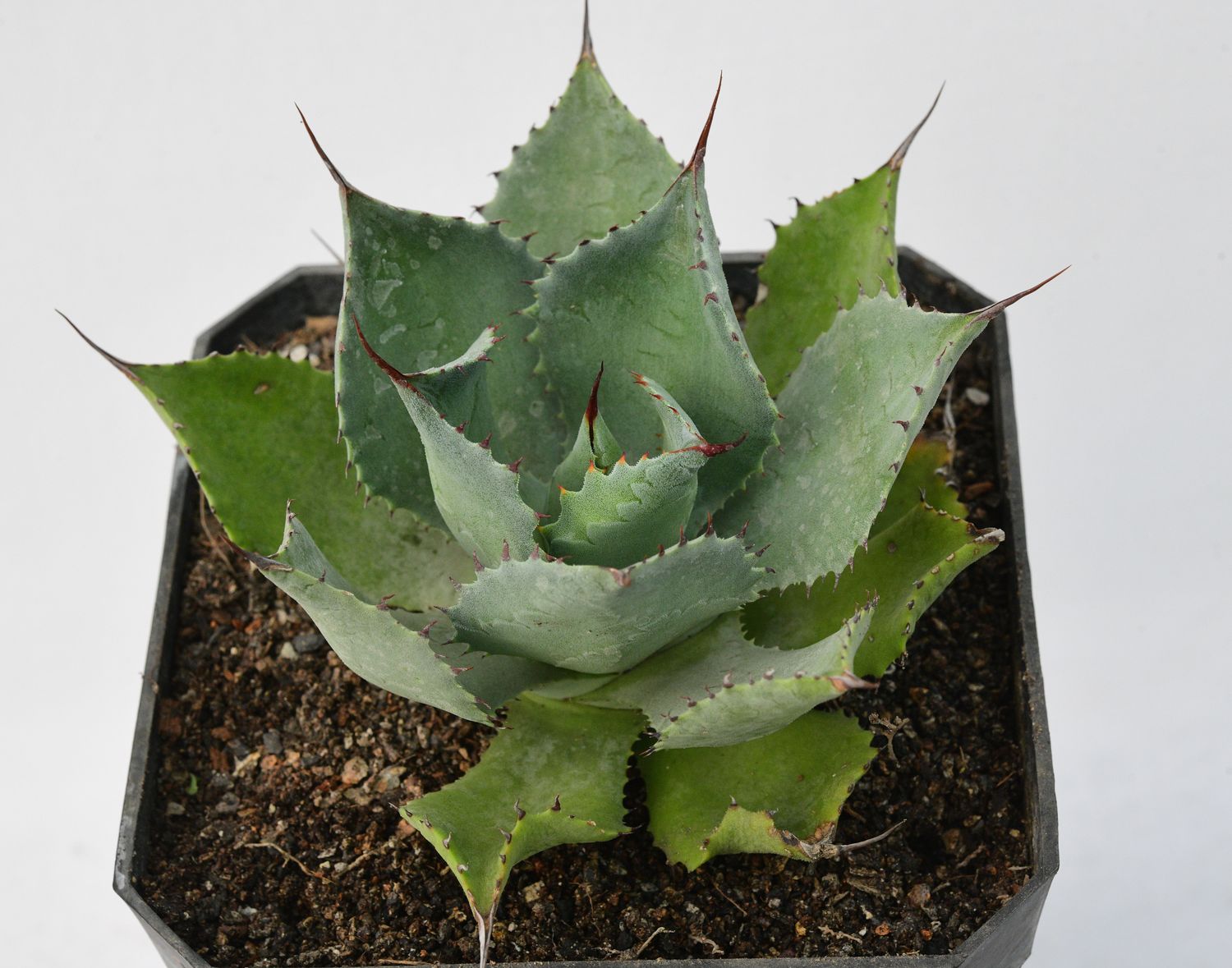
Agave potatorum Confederate Rose
SKU AG004
₹390.00
In stock: 1 available
1
Save this product for later
Customer reviews
Reviews only from verified customers
No reviews yet. You can buy this product and be the first to leave a review.
Agave potatorum Confederate Rose
Product Details
A tight, sculptural rosette of broad, silvery-blue-green leaves edged in sharp, dark red teeth and tipped with a single fearsome terminal spine — a compact, architectural agave selection prized for its dense form and the soft lilac-pink blush that spreads across its leaf tips as it matures.
Origin of Name
The genus name Agave comes from the Greek agauos, meaning "noble" or "admirable," given to the genus by Carl Linnaeus in 1753 — a fitting name for a group of plants long admired for their sculptural symmetry. The species epithet, potatorum, is Latin for "of the drinkers," a reference to this agave's long-standing use across its native Mexican highlands in brewing mezcal and pulque; it was formally described by the botanist Joseph Gerhard Zuccarini in 1833.
'Confederate Rose' is a selected cultivar name rather than a wild form, borrowing its name from an older, unrelated plant — Hibiscus mutabilis, a Southern US garden shrub commonly called "Confederate rose" for its long popularity in that region (a name tied, in some tellings, to the plant's association with the American South during the Civil War era). The agave cultivar likely inherits the name for a shared trait rather than any historical reference: much as the Hibiscus's flowers blush from white to deep pink over a single day, this agave's leaves develop a soft rose-lilac flush toward their tips as the plant matures and colors up in strong light.
Origin of Plant
Agave potatorum is native to the semi-arid highlands of southern Puebla, central Oaxaca, and Chiapas in Mexico, growing on rocky slopes between roughly 1,200 and 2,250 meters elevation. 'Confederate Rose' is a cultivated selection bred and propagated in nursery collections for its especially tight, compact rosette and pronounced coloring, rather than a form found growing wild.
Description
The plant forms a dense, symmetrical rosette of broad, silvery-grey-green leaves, each edge lined with small, sharp, dark reddish-brown teeth and finished with a stout terminal spine. As the plant matures and receives strong light, the leaf tips and margins develop a distinctive rosy-lilac blush against the silvery base color — the trait the cultivar is named for. Mature rosettes stay relatively compact, making this a striking specimen plant even in a modest pot. Like most agaves, it is monocarpic: after many years it may send up a tall flower spike, after which the main rosette dies back, typically leaving offsets behind to continue the plant.
Conservation Status
Wild Agave potatorum populations are considered threatened in parts of their native range, largely from heavy harvesting for mezcal production. Cultivated selections like 'Confederate Rose', propagated from offsets or tissue culture rather than wild-collected, take pressure off those populations and are the responsible way to grow this species.
Care
Light: Full sun brings out the best leaf color and the tightest, most compact rosette; some shade is tolerated but leads to looser, greener growth.
Watering: Very drought-tolerant once established — water sparingly and let the soil dry out fully between waterings. Overwatering is the most common cause of rot.
Soil: Free-draining, gritty soil is essential — standard potting mix cut generously with coarse sand, pumice, or perlite.
Temperature: Tolerates light frost once established but is best protected below freezing; keep dry and frost-free in winter where possible.
Handling note: The terminal spines are sharp and rigid — site it away from foot traffic, and handle with care when repotting.
An Interesting Note
Agave naming often borrows across the plant world this way — a striking color trait on one plant earning it the name of an entirely unrelated species known for the same effect. Here, a Mexican succulent grown for mezcal and a Southern American flowering shrub, with nothing botanically in common, end up sharing a name for exactly one reason: both blush from pale to rose as they mature.
You May Also Like
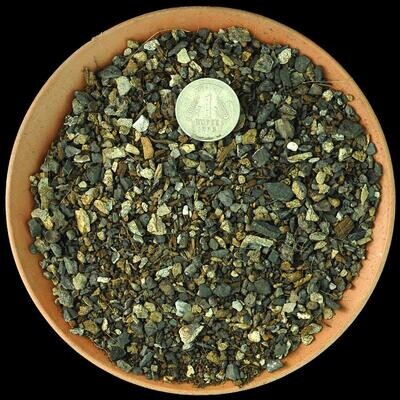
FORTIFIED Cactus & Succulent SOIL (COARSE)
FORTIFIED Cactus & Succulent SOIL (COARSE)
SKU MNS004
5.0
(11)
₹54.85
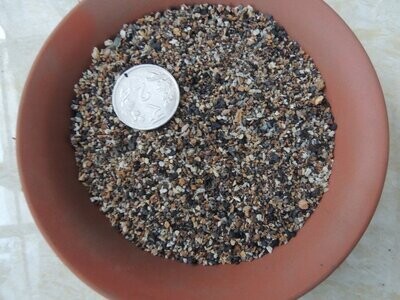
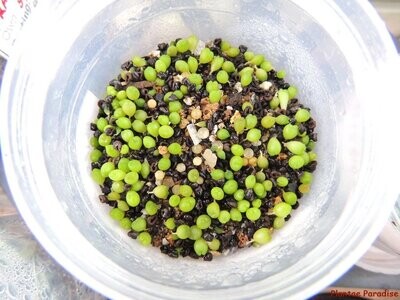
Cactus Seed Planting Mix
Cactus Seed Planting Mix
Sterile, Fine-Grain Media for Cactus & Succulent Seeds
SKU MNS005
₹74.85
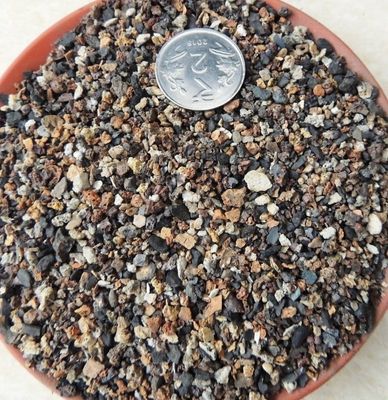
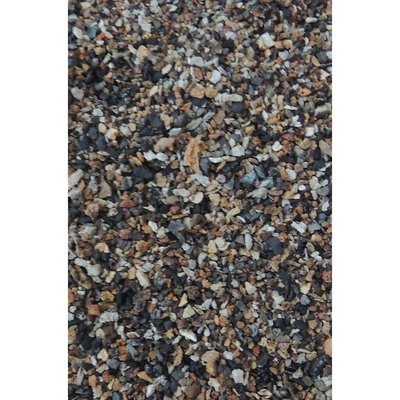
Cactus & Succulent Planting Mix FINE (aka Cactus Soil Mix or Succulent Soil Mix)
Cactus & Succulent Planting Mix FINE (aka Cactus Soil Mix or Succulent Soil Mix)
Fine-Grain Potting Mix for Cactus & Succulent Roots
SKU MNS001
5.0
(3)
₹39.85
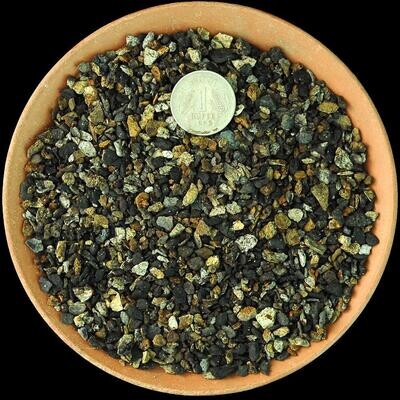
Cactus & Succulent Planting Mix COARSE (aka Cactus Soil Mix or Succulent Soil Mix)
Cactus & Succulent Planting Mix COARSE (aka Cactus Soil Mix or Succulent Soil Mix)
Washed, Free-Draining Mineral Mix for Cactus & Succulents
SKU MNS003
5.0
(1)
₹44.85
Display prices in:INR
