
Categories
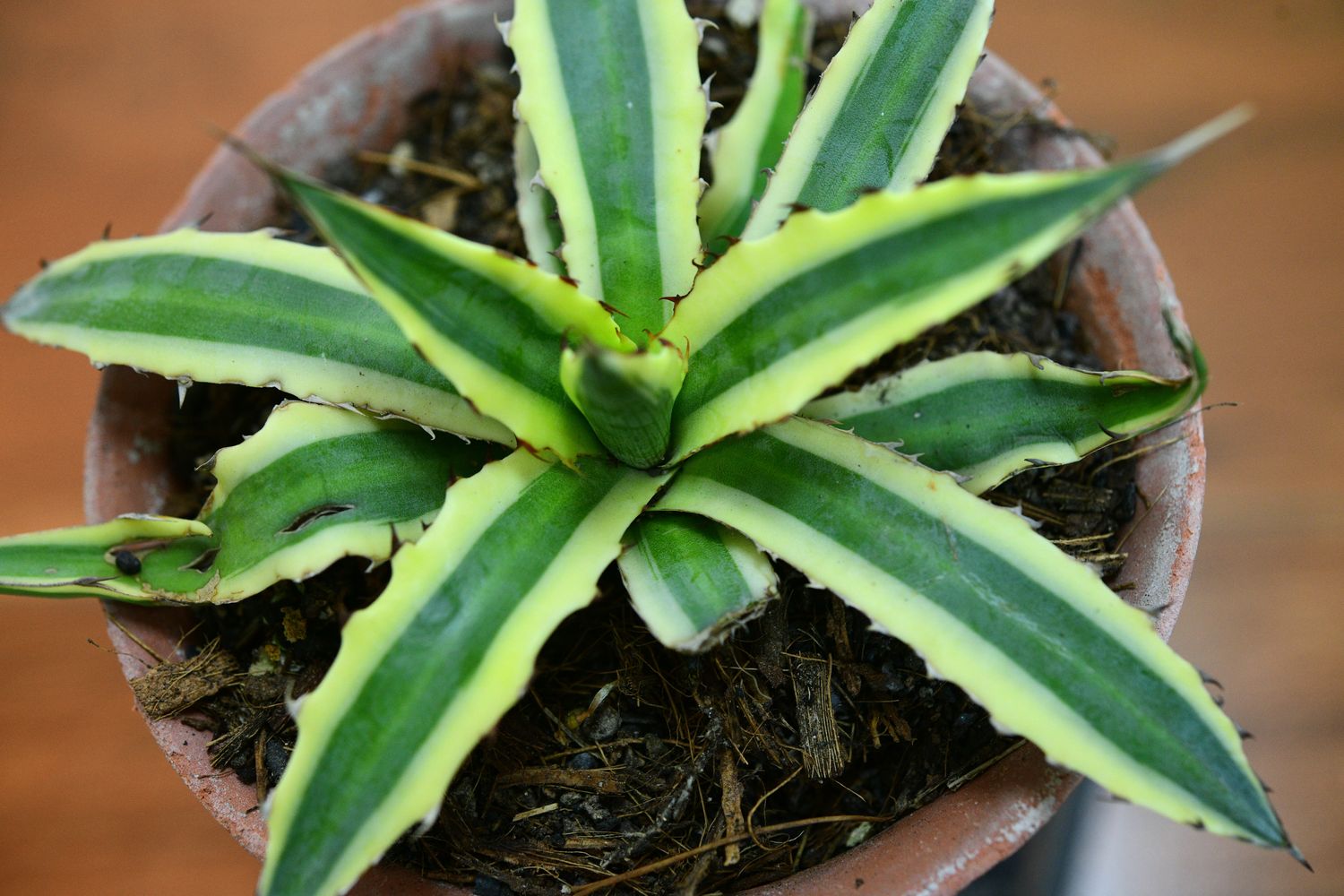
Agave xylonacantha Variegated
SKU AG044
₹2 200.00
In stock: 1 available
1
Save this product for later
Customer reviews
Reviews only from verified customers
No reviews yet. You can buy this product and be the first to leave a review.
Agave xylonacantha Variegated
Product Details
1. Etymology: The name Agave xylonacantha has Greek origins. "Agave" means "noble" or "admirable," which reflects the plant's impressive appearance. "Xylonacantha" comes from "xylon," meaning "wood," and "acantha," meaning "thorn" or "spine," referring to the woody spines on the margins of its leaves. The term "variegated" indicates that this variety has leaves with multiple colors, typically featuring streaks or patches of cream, yellow, or white alongside the green.
2. Origin of Plant: Agave xylonacantha is native to the arid regions of Mexico, particularly in the states of Hidalgo, Guanajuato, and Oaxaca. These environments provide the dry, sunny habitats that Agave thrives in. The variegated form is a cultivated variety selected for its ornamental foliage.
3. Technical Description:
- Family: Asparagaceae
- Genus: Agave
- Species: xylonacantha
- Variety: Variegated
- Form: Rosette-forming succulent with a striking architectural structure.
- Leaves: Long, narrow, sword-shaped leaves with pronounced variegation. Leaves are typically green with cream, white, or yellow streaks or edges. The margins have wavy edges adorned with sharp, woody spines.
- Size: Can grow up to 60-90 cm (2-3 feet) in height and 90-120 cm (3-4 feet) in width.
- Flowers: Produces a tall, dramatic flower spike (up to 4 meters/13 feet) with clusters of greenish-yellow flowers. However, flowering is rare and occurs after many years.
- Blooming Period: Generally blooms once in its lifetime, after which the rosette dies, but the plant often produces offsets before this happens.
4. Conservation Status: Agave xylonacantha is not currently listed as threatened or endangered. However, habitat destruction and over-collection can pose risks to wild populations. The variegated form is a cultivated variety and is generally propagated through responsible horticultural practices.
5. Care Instructions:
- Light: Prefers full sun to partial shade. For best color and growth, provide bright, direct sunlight.
- Water: Water sparingly. Allow the soil to dry out completely between waterings. Overwatering can lead to root rot. Reduce watering during the winter months when the plant is dormant.
- Soil: Requires a well-draining soil mix, such as cactus or succulent soil. Adding extra perlite or pumice will enhance drainage.
- Temperature: Thrives in warm temperatures, ideally between 20-30°C (68-86°F). Protect from frost and temperatures below 5°C (41°F).
- Humidity: Prefers low humidity and good air circulation to prevent fungal issues.
- Fertilizer: Feed with a diluted, balanced fertilizer formulated for succulents every 4-6 weeks during the growing season (spring and summer).
- Propagation: Easily propagated from offsets (pups) that grow around the base of the plant. Remove offsets and allow the cut ends to callous over before planting in well-draining soil.
You May Also Like
New


Monsoon Guardian Kit (5 in 1)
Monsoon Guardian Kit (5 in 1)
Complete 5-in-1 biological protection kit for cacti & succulents
SKU MNS024
₹850.00
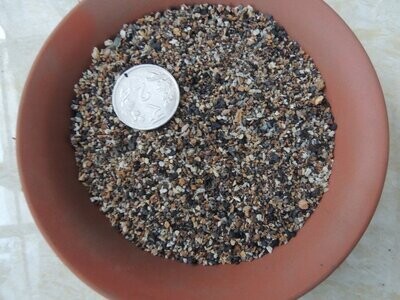
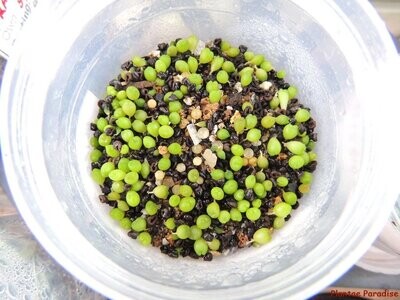
Cactus Seed Planting Mix
Cactus Seed Planting Mix
Sterile, Fine-Grain Media for Cactus & Succulent Seeds
SKU MNS005
₹74.85
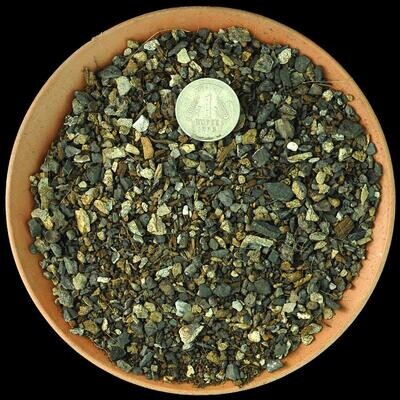
FORTIFIED Cactus & Succulent SOIL (COARSE)
FORTIFIED Cactus & Succulent SOIL (COARSE)
SKU MNS004
5.0
(12)
₹54.85
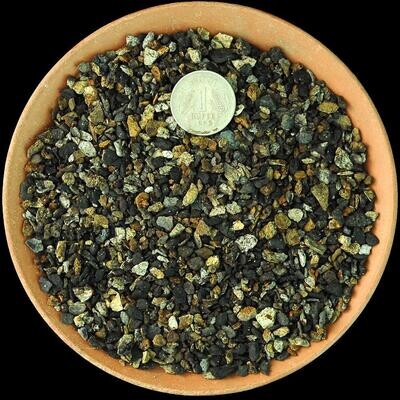
Cactus & Succulent Planting Mix COARSE (aka Cactus Soil Mix or Succulent Soil Mix)
Cactus & Succulent Planting Mix COARSE (aka Cactus Soil Mix or Succulent Soil Mix)
Washed, Free-Draining Mineral Mix for Cactus & Succulents
SKU MNS003
5.0
(1)
₹44.85
Display prices in:INR
