
Categories
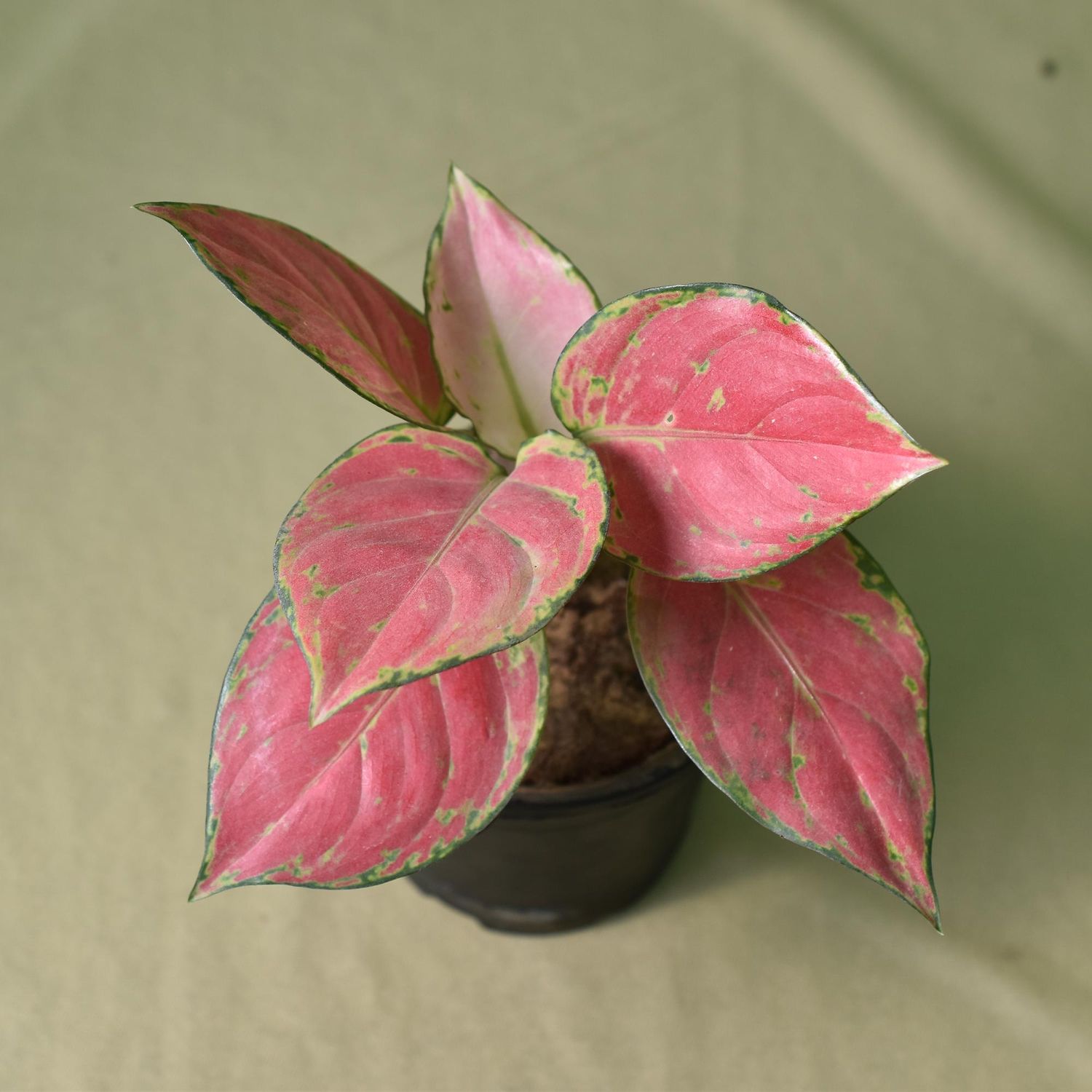
Aglaonema Pink Valentine
SKU GG003
₹275.00
Sold out
Vibrant pink foliage that instantly brightens indoor spaces.
Sold out
Save this product for later
Customer reviews
Reviews only from verified customers
No reviews yet. You can buy this product and be the first to leave a review.
Aglaonema Pink Valentine
Product Details
Radiant Foliage: Aglaonema 'Pink Valentine'
A striking ornamental masterpiece featuring rose-toned speckles that transform any low-light corner into a vibrant tropical gallery.
- Origin & History of Name: The genus name Aglaonema is derived from the Greek words aglaos (bright) and nema (thread), referring to the glossy, thread-like stamens found in the flowers.
The cultivar name 'Pink Valentine' was chosen to highlight the romantic, heart-shaped leaf structure and the heavy pink stippling that defines its visual identity. - Morphology: This herbaceous perennial is characterized by lanceolate leaves with deep green margins and a high degree of pink variegation across the lamina (leaf surface). It features a compact growth habit with short petioles (leaf stalks), creating a dense, bushy appearance. Unlike some aroids, its midrib and secondary veins remain prominent despite the intense pigmentation.
- Habitat & Origin: This is a cultivar derived from species native to the tropical rainforests of Southeast Asia (Thailand and Malaysia). It was selectively bred for its stable, high-contrast pink tones. These plants are propagated via tissue culture or stem cuttings, ensuring a sustainable supply that protects wild populations from poaching.
- Cultivation Profile:
- Substrate: Use a well-draining, airy mix consisting of coco-peat, perlite, and pine bark to prevent moisture stagnation.
- Light: Thrives in bright, indirect light; direct Indian afternoon sun will scorch the pink variegation. It is highly tolerant of lower-light indoor conditions.
- Water/Dormancy: Keep the medium slightly moist but never soggy. During the Indian Monsoon, reduce watering frequency as humidity increases; in winter, allow the top 2 inches of substrate to dry out.
- Scientific/Historical Anecdote: Aglaonema species have been cultivated as "luck-bringing" plants in Asia for centuries.
In 1989, NASA's Clean Air Study identified Aglaonema modestum (a relative) as one of the most effective plants for removing atmospheric toxins like benzene and formaldehyde, making them as functional as they are decorative.
You May Also Like
New
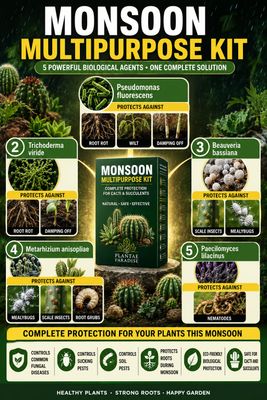
Monsoon Guardian Kit (5 in 1)
Monsoon Guardian Kit (5 in 1)
Complete 5-in-1 biological protection kit for cacti & succulents
SKU MNS024
₹850.00
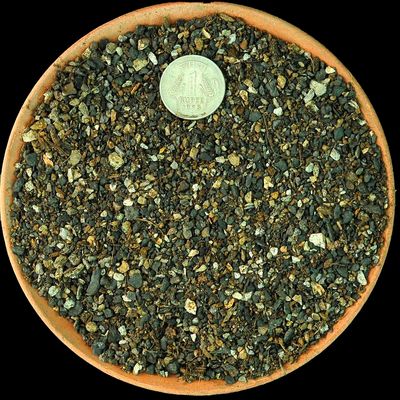
FORTIFIED Cactus & Succulent SOIL (FINE)
FORTIFIED Cactus & Succulent SOIL (FINE)
SKU MNS002
5.0
(4)
₹49.85
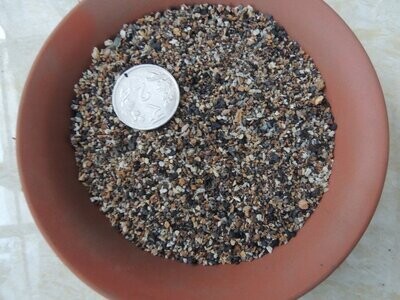
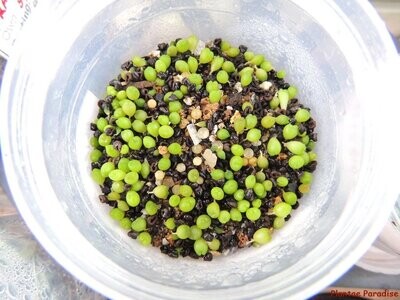
Cactus Seed Planting Mix
Cactus Seed Planting Mix
Sterile, Fine-Grain Media for Cactus & Succulent Seeds
SKU MNS005
₹74.85
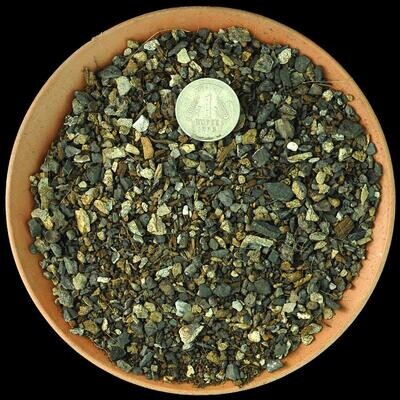
FORTIFIED Cactus & Succulent SOIL (COARSE)
FORTIFIED Cactus & Succulent SOIL (COARSE)
SKU MNS004
5.0
(11)
₹54.85
Display prices in:INR
