
Categories
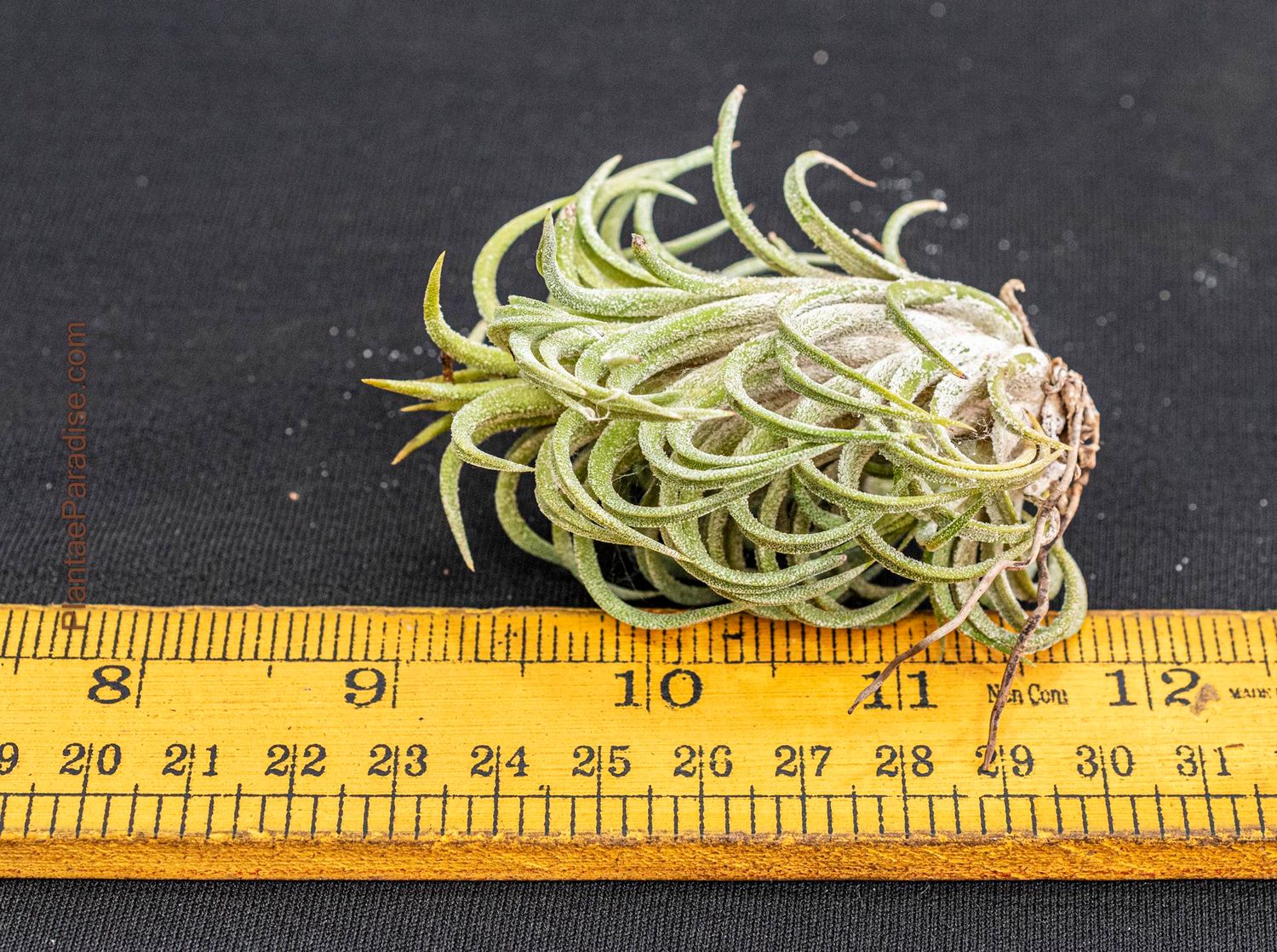
Air Plant Tillandsia Ionantha 'Huamelula'
SKU TT025
₹750.00
Sold out
Sold out
Save this product for later
Customer reviews
Reviews only from verified customers
No reviews yet. You can buy this product and be the first to leave a review.
Air Plant Tillandsia Ionantha 'Huamelula'
Product Details
Origin of Name
The name "Tillandsia ionantha 'Huamelula'" combines the genus name "Tillandsia" with the specific epithet "ionantha" and the cultivar name "Huamelula." The genus Tillandsia is named after the Swedish botanist Elias Tillandz, while "ionantha" originates from the Greek words "ion," meaning "violet," and "anthos," meaning "flower," likely referring to the plant's vibrant violet blooms. The cultivar name "Huamelula" may reference a specific location or collector, although its precise origin is not readily available.
Technical Description of Plant
Tillandsia ionantha 'Huamelula' is a captivating air plant renowned for its compact rosette of slender, silvery-green leaves. This cultivar is highly valued for its vibrant, contrasting colors, featuring foliage that transitions from green to intense shades of pink, purple, or red during its blooming period. The plant typically reaches sizes of 2 to 3 inches in height and width, forming dense clusters over time. Like other Tillandsia species, Tillandsia ionantha 'Huamelula' produces showy flowers in shades of violet or purple, adding to its ornamental appeal.
Origin of Plant
Tillandsia ionantha 'Huamelula' is native to the tropical and subtropical regions of Central America, particularly in countries like Mexico, Guatemala, Honduras, and Nicaragua. It grows epiphytically on trees, rocks, and other surfaces in its natural habitat, thriving in warm, humid environments with ample sunlight.
Conservation Status
As a cultivated ornamental plant, Tillandsia ionantha 'Huamelula' does not have a specific conservation status. However, many Tillandsia species, including T. ionantha, face threats in their native habitats due to habitat destruction, deforestation, and illegal collection. Conservation efforts are essential to preserve the biodiversity of these ecosystems and protect the natural populations of air plants.
Care Instructions
- Light: Place Tillandsia ionantha 'Huamelula' in bright, indirect light, such as near a south- or east-facing window. Avoid exposing it to direct sunlight for extended periods, as it can lead to leaf burn.
- Watering: Water the plant by misting it 2-3 times a week or by soaking it in room temperature water for 20-30 minutes every 1-2 weeks. Ensure that the leaves dry completely after watering to prevent rot.
- Air Circulation: Provide good air circulation by placing the plant in a well-ventilated area. This helps prevent moisture buildup and reduces the risk of fungal infections.
- Temperature: Maintain temperatures between 50°F to 90°F (10°C to 32°C) for optimal growth. Protect the plant from cold drafts and extreme temperature fluctuations.
- Fertilization: Tillandsia ionantha 'Huamelula' can benefit from occasional fertilization with a diluted, water-soluble fertilizer formulated for air plants. Apply the fertilizer at one-quarter to one-half strength once a month during the growing season (spring and summer).
- Grooming: Remove any dead or dried leaves from the base of the plant to promote airflow and prevent pests and disease.
- Display: Display Tillandsia ionantha 'Huamelula' in decorative containers, terrariums, or mounted on driftwood, rocks, or other surfaces. Ensure that the mounting material is porous and allows air circulation around the plant.
You May Also Like
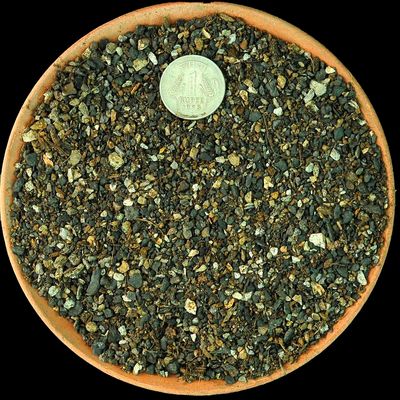
FORTIFIED Cactus & Succulent SOIL (FINE)
FORTIFIED Cactus & Succulent SOIL (FINE)
SKU MNS002
5.0
(4)
₹49.85
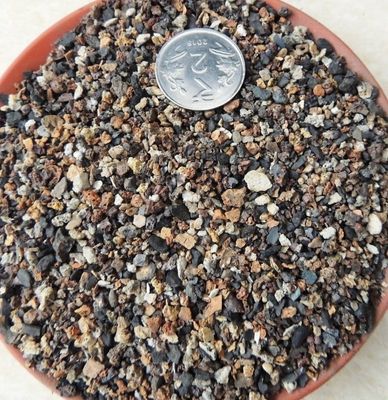
Cactus & Succulent Planting Mix FINE (aka Cactus Soil Mix or Succulent Soil Mix)
Cactus & Succulent Planting Mix FINE (aka Cactus Soil Mix or Succulent Soil Mix)
Fine-Grain Potting Mix for Cactus & Succulent Roots
SKU MNS001
5.0
(3)
₹39.85
New
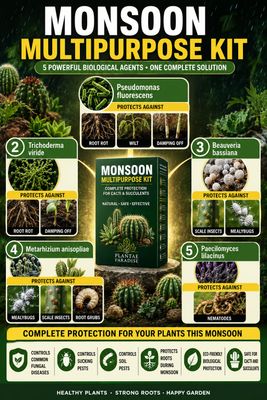
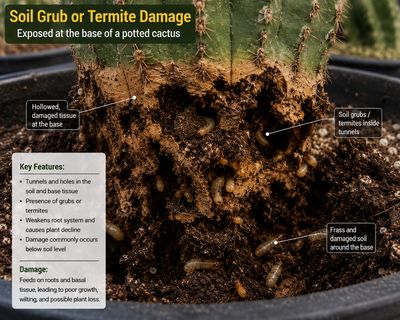
Monsoon Guardian Kit (5 in 1)
Monsoon Guardian Kit (5 in 1)
Complete 5-in-1 biological protection kit for cacti & succulents
SKU MNS024
₹850.00

Cactus & Succulent Planting Mix COARSE (aka Cactus Soil Mix or Succulent Soil Mix)
Cactus & Succulent Planting Mix COARSE (aka Cactus Soil Mix or Succulent Soil Mix)
Washed, Free-Draining Mineral Mix for Cactus & Succulents
SKU MNS003
5.0
(1)
₹44.85
Display prices in:INR
