
Categories
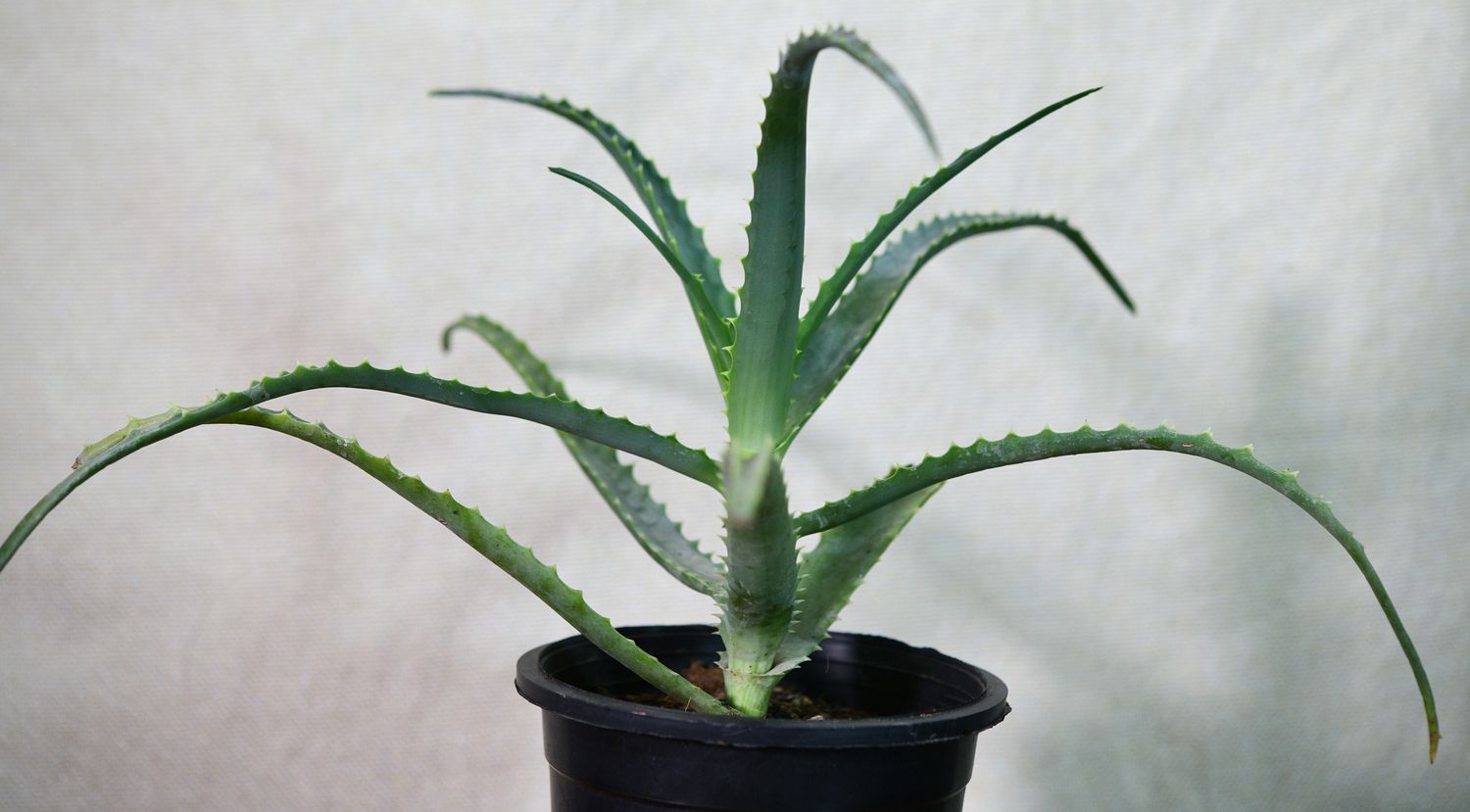
Aloe arborescens
SKU AL072
₹650.00
In stock: 1 available
1
Save this product for later
Customer reviews
Reviews only from verified customers
No reviews yet. You can buy this product and be the first to leave a review.
Aloe arborescens
Product Details
Origin of Name
Aloe arborescens, commonly known as the Krantz Aloe or Tree Aloe, gets its name from its tree-like growth habit ('arborescens' meaning tree-like in Latin). This descriptive name highlights the plant's ability to grow into large, branching specimens, distinguishing it from the more common rosette-forming aloes.
Technical Description of Plant
Aloe arborescens is a large, multi-headed, shrub-like succulent that can reach heights of up to 3 meters (10 feet). It forms dense clusters of rosettes with lance-shaped, bright green leaves that have serrated edges and are tipped with sharp, brownish-red spines. The leaves contain a gel-like substance known for its healing properties. During the winter, it produces spectacular inflorescences of bright red or orange tubular flowers, arranged in conical racemes, attracting various pollinators, including birds and bees.
Origin of Plant
Native to southeastern Africa, Aloe arborescens has adapted to a range of climates and is found growing on rocky outcrops and open plains. Its natural distribution spans several countries, from South Africa to Zimbabwe and Malawi, indicating its versatility and resilience in different environmental conditions.
Conservation Status
While Aloe arborescens is not currently listed on the IUCN Red List of Threatened Species, it is subject to the same threats that affect many wild plant populations, including habitat loss and overharvesting. Conservation efforts and sustainable harvesting practices are essential to ensure its continued presence in the wild.
Care Instructions
Aloe arborescens is a hardy and low-maintenance plant, making it an excellent choice for gardens and landscaping. It prefers well-draining soil and full sun to partial shade. Water moderately during the growing season and reduce watering in the winter to prevent root rot. It is drought-tolerant once established. In regions prone to frost, it may need protection or to be grown in containers that can be moved indoors during cold weather. Propagation can be achieved through offsets or cuttings, allowing for easy multiplication of plants. Regular removal of dead leaves and spent flower spikes will keep your Aloe arborescens looking its best and encourage healthy growth.
You May Also Like


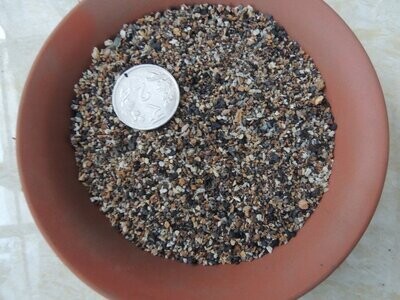
Cactus & Succulent Planting Mix FINE (aka Cactus Soil Mix or Succulent Soil Mix)
Cactus & Succulent Planting Mix FINE (aka Cactus Soil Mix or Succulent Soil Mix)
Fine-Grain Potting Mix for Cactus & Succulent Roots
SKU MNS001
5.0
(3)
₹39.85
Cactus Seed Planting Mix
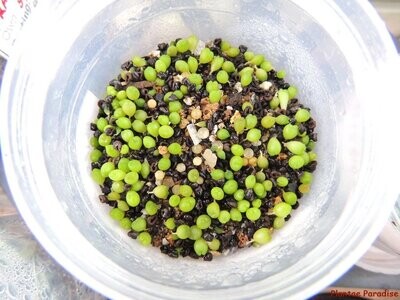
Cactus Seed Planting Mix
Sterile, Fine-Grain Media for Cactus & Succulent Seeds
SKU MNS005
₹74.85
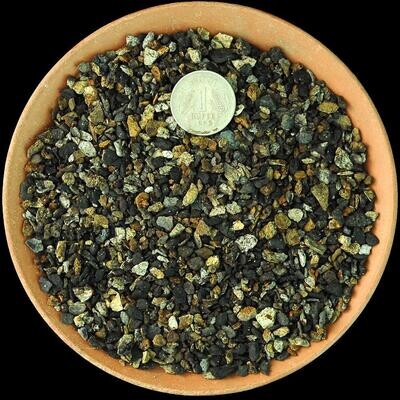
Cactus & Succulent Planting Mix COARSE (aka Cactus Soil Mix or Succulent Soil Mix)
Cactus & Succulent Planting Mix COARSE (aka Cactus Soil Mix or Succulent Soil Mix)
Washed, Free-Draining Mineral Mix for Cactus & Succulents
SKU MNS003
5.0
(1)
₹44.85
New
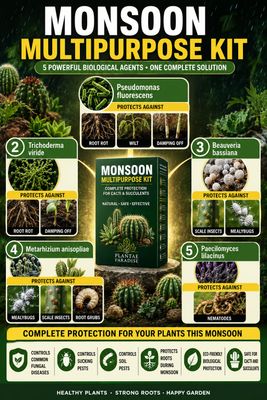
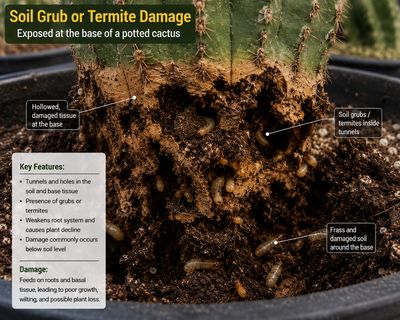
Monsoon Guardian Kit (5 in 1)
Monsoon Guardian Kit (5 in 1)
Complete 5-in-1 biological protection kit for cacti & succulents
SKU MNS024
₹850.00
Display prices in:INR
