
Categories
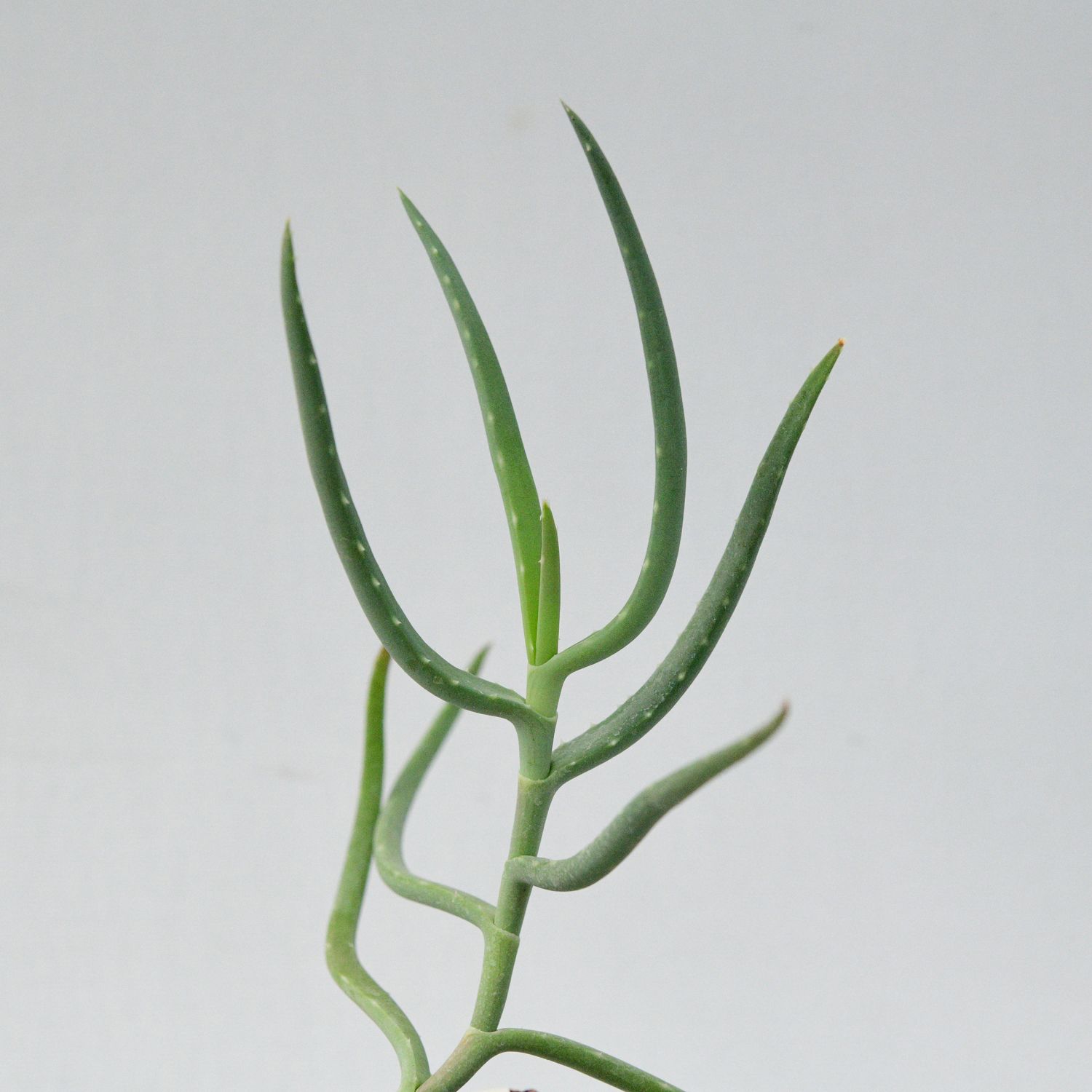
Aloe bakeri
SKU AL015
₹375.00
In stock: 3 available
1
Save this product for later
Customer reviews
Reviews only from verified customers
No reviews yet. You can buy this product and be the first to leave a review.
Aloe bakeri
Product Details
Aloe Bakeri - A Tropical Gem for Your Indoor Sanctuary
Introducing Aloe Bakeri, a charming succulent that boasts unique features and an appealing presence, making it a fantastic addition to any plant collection. With its interesting leaf structure and striking appearance, Aloe Bakeri offers both beauty and ease of care, perfect for beginners and seasoned gardeners alike.
1. Origin of Name
The name "Aloe Bakeri" honors the esteemed British botanist and plant collector, Sir John Gilbert Baker, who made significant contributions to the study and classification of flowering plants in the late 19th century. The Latin term "Aloe" refers to a diverse genus of succulent plants known for their fleshy leaves and medicinal properties.
Aloe Bakeri was first described scientifically in the early 20th century, around 1911, during Baker’s extensive travels and studies in East Africa, particularly in regions of Tanzania. This species was named to acknowledge Baker's contributions to botany and his exploration of the rich flora of Southern Africa. Aloe Bakeri may also be recognized by other names, but its distinct characteristics make the original name a fitting tribute.
2. Origin of Plant
Aloe Bakeri is native to the tropical climates of eastern Africa, predominantly found in regions such as Tanzania and Kenya. This magnificent succulent thrives in rocky outcrops and sandy soils rich in nutrients, often growing in clusters. Discovered during the botanical explorations of the late 19th and early 20th centuries, Aloe Bakeri has become appreciated not only for its aesthetic qualities but also for its adaptability to home gardens.
As a member of the Aloe family, this plant is well-suited to cultivate in containers and indoor environments, allowing it to be enjoyed by many around the globe.
3. Description
Aloe Bakeri presents a striking appearance with its fleshy, arching leaves that can reach lengths of up to 12 inches. The leaves are characteristically deep green with prominent white spots, creating a beautiful contrast that captivates onlookers. The leaf tips are pointed and may feature subtle serrations, resembling a graceful rosette pattern that adds to the plant's charm.
In late spring and early summer, Aloe Bakeri produces tall flower spikes adorned with clusters of tubular, orange-red flowers. These blooms attract pollinators like bees and hummingbirds, enhancing its appeal in any garden setting. Its compact growth habit and ornamental qualities make it a stunning focal point in both indoor settings and outdoor landscapes.
4. Conservation Status
Currently, Aloe Bakeri is categorized as "Least Concern," indicating that it is not threatened or endangered. However, like many succulent species, it faces some environmental pressures from habitat loss and over-collecting in the wild. Conservation efforts focus on protecting natural habitats and raising awareness about sustainable practices to ensure this delightful plant continues to thrive.
5. Care
To maintain the health and beauty of your Aloe Bakeri, follow these care instructions:
- Watering: Allow the soil to dry out completely between waterings. Water thoroughly every 2-3 weeks during the growing season (spring and summer) and reduce watering during the dormant period (fall and winter).
- Soil: Use a well-draining cactus or succulent mix that prevents water from accumulating. A mix of potting soil, perlite, and sand is ideal.
- Light: Aloe Bakeri thrives in bright, indirect sunlight. Position it near a window with filtered light to avoid scorching its leaves in intense direct sunlight.
- Temperature: This succulent enjoys warm temperatures, ideally between 65°F and 80°F. It can tolerate cooler temperatures but should be shielded from frost.
- Tips for Healthy Growth: Fertilize lightly with a succulent-specific fertilizer during the growing season. Monitor for pests such as mealybugs and spider mites, ensuring good air circulation around the plant.
6. Interesting Anecdote
Aloe species have been revered for centuries, especially in traditional medicine practices across various cultures. Aloe Bakeri is often admired for its aesthetic charms, but its gelatinous sap is believed to possess soothing properties. In some cultures, the sap was utilized for skin care and healing wounds, showcasing the plant's versatility and historical significance throughout human history.
With its eye-catching foliage and rich botanical history, Aloe Bakeri is sure to become a favorite in your collection, bringing both beauty and a touch of tropical allure to your space!
You May Also Like
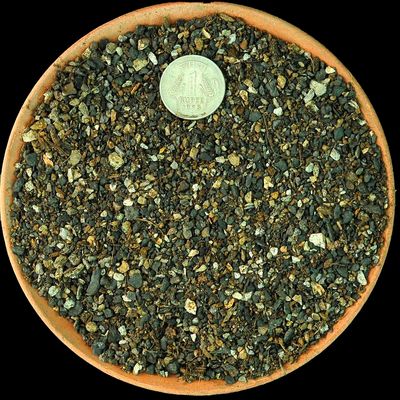
FORTIFIED Cactus & Succulent SOIL (FINE)
FORTIFIED Cactus & Succulent SOIL (FINE)
SKU MNS002
5.0
(4)
₹49.85
Cactus Seed Planting Mix
Cactus Seed Planting Mix
Sterile, Fine-Grain Media for Cactus & Succulent Seeds
SKU MNS005
₹74.85
New
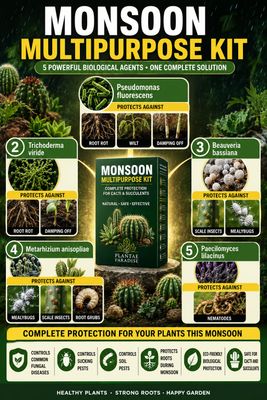

Monsoon Guardian Kit (5 in 1)
Monsoon Guardian Kit (5 in 1)
Complete 5-in-1 biological protection kit for cacti & succulents
SKU MNS024
₹850.00
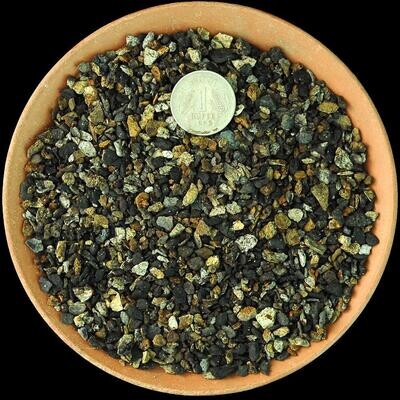
Cactus & Succulent Planting Mix COARSE (aka Cactus Soil Mix or Succulent Soil Mix)
Cactus & Succulent Planting Mix COARSE (aka Cactus Soil Mix or Succulent Soil Mix)
Washed, Free-Draining Mineral Mix for Cactus & Succulents
SKU MNS003
5.0
(1)
₹44.85
Display prices in:INR
