
Categories
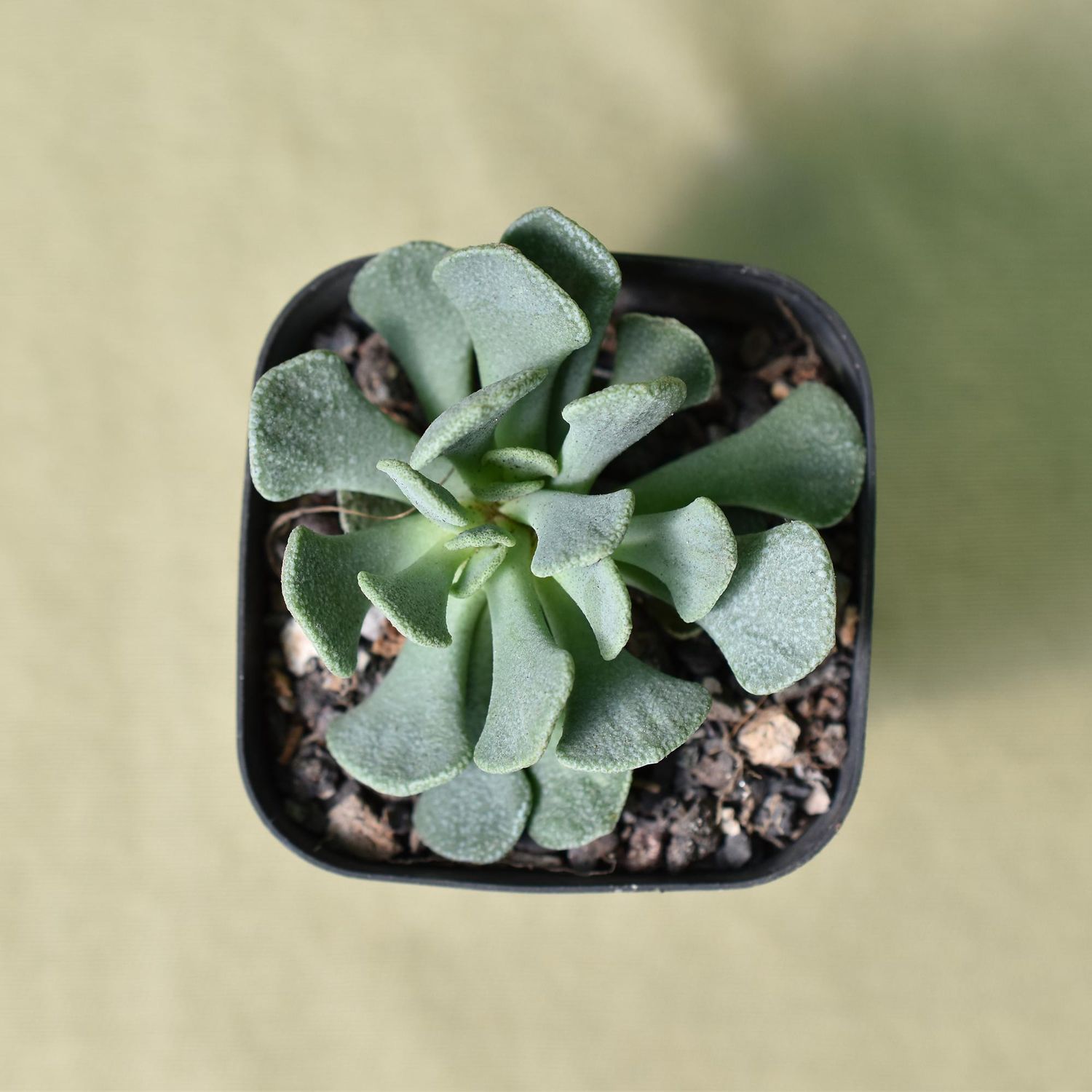
Aloinopsis spathulata
SKU MM011
₹350.00
A resilient high-altitude succulent with stunning winter flowers.
In stock: 1 available
1
Save this product for later
Customer reviews
Reviews only from verified customers
No reviews yet. You can buy this product and be the first to leave a review.
Aloinopsis spathulata
Product Details
Hardy High-Altitude Gem: Aloinopsis spathulata
A cold-hardy succulent treasure featuring shimmering blue-green foliage and vibrant magenta blooms.
- Origin & History of Name: The genus name Aloinopsis is derived from the Greek opsis (resembling) and Aloe, referring to its aloe-like appearance despite being in the Aizoaceae family. The specific epithet spathulata comes from the Latin spathulatus, meaning "spoon-shaped," describing the distinctive form of the leaves.
- Morphology: This plant forms a low-growing mat with a tuberous caudex (storage root).
Its thick, spathulate leaves are covered in tiny, white calcareous tubercles (wart-like bumps) that give the epidermis a rough, textured feel. In winter, it produces daisy-like flowers with high petal counts. - Habitat & Origin: This is a wild species native to the high-altitude regions of the Sutherland and Roggeveld Mountains in the Northern Cape, South Africa. It thrives in shale-heavy environments. Our specimens are nursery-grown from seed to ensure the protection of wild populations.
- Cultivation Profile:
- Substrate: Use a strictly mineral-based mix (70% grit/pumice, 30% organic matter) to prevent moisture retention around the taproot.
- Light: Requires bright, direct sunlight.
In the Indian summer, provide slight afternoon shade to prevent scorched leaf tips during 40°C+ peaks. - Water/Dormancy: This is a winter-grower.
Water sparingly during the Indian monsoon and summer dormancy; increase frequency during the cooler months (November–February) when the plant is active.
- Scientific/Historical Anecdote: Aloinopsis spathulata is one of the hardiest "living stones" in the world. In its native habitat, it can survive temperatures as low as -15°C by retracting slightly into the soil and entering a deep dormancy, a biological feat for a succulent of its size.
You May Also Like
New
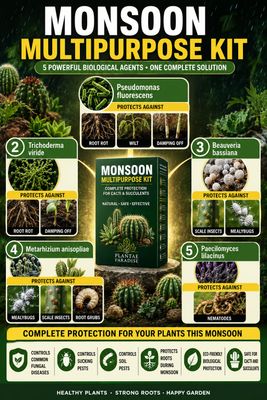
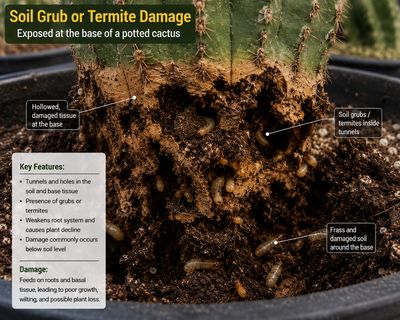
Monsoon Guardian Kit (5 in 1)
Monsoon Guardian Kit (5 in 1)
Complete 5-in-1 biological protection kit for cacti & succulents
SKU MNS024
₹850.00

FORTIFIED Cactus & Succulent SOIL (COARSE)
FORTIFIED Cactus & Succulent SOIL (COARSE)
SKU MNS004
5.0
(11)
₹54.85
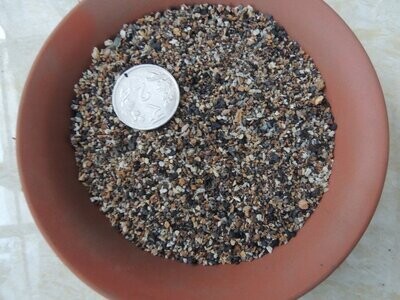
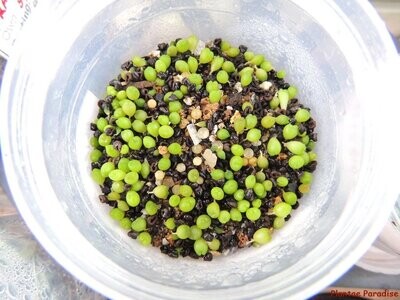
Cactus Seed Planting Mix
Cactus Seed Planting Mix
Sterile, Fine-Grain Media for Cactus & Succulent Seeds
SKU MNS005
₹74.85
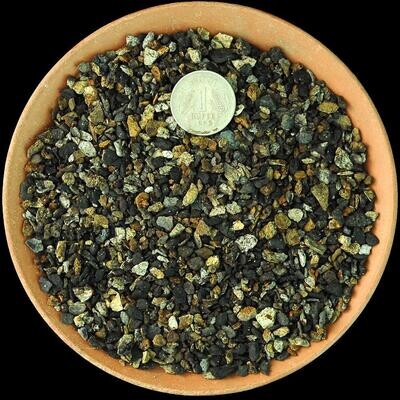
Cactus & Succulent Planting Mix COARSE (aka Cactus Soil Mix or Succulent Soil Mix)
Cactus & Succulent Planting Mix COARSE (aka Cactus Soil Mix or Succulent Soil Mix)
Washed, Free-Draining Mineral Mix for Cactus & Succulents
SKU MNS003
5.0
(1)
₹44.85
Display prices in:INR
