
Categories
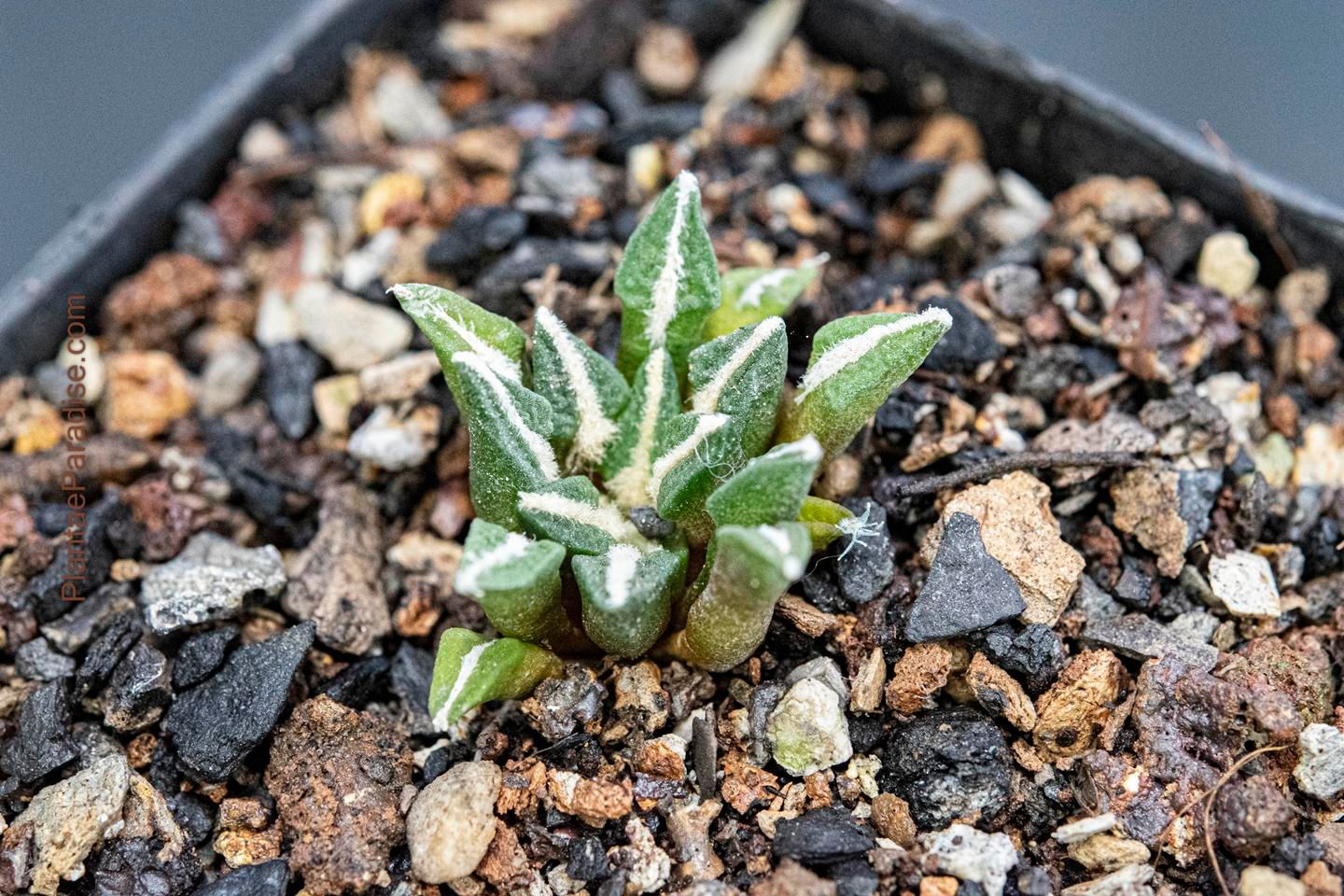
Ariocarpus Kotschoubeyanus
SKU AR004
₹950.00
Sold out
Sold out
Save this product for later
Customer reviews
Reviews only from verified customers
No reviews yet. You can buy this product and be the first to leave a review.
Ariocarpus Kotschoubeyanus
Product Details
Seed grown plants. 5 year old.
Etymology
The genus name "Ariocarpus" is derived from the Greek words "arios," meaning "beautiful," and "karpos," meaning "fruit," highlighting the ornamental value of its flowering characteristics. The species name "kotschoubeyanus" honors the Russian botanist and explorer, Alexander von Kotschoubey, who contributed to the study of cacti and succulents in their native habitats. The naming of this species reflects both its aesthetic qualities and the contributions of botanists in expanding knowledge of cactus diversity.
Synonyms
Ariocarpus kotschoubeyanus has been referred to by several synonyms in the past due to taxonomic updates and nomenclatural changes. Common synonyms include "Ariocarpus fissuratus var. kotschoubeyanus" and "Ariocarpus kotschoubeyanus var. trigonus." These botanical names highlight the complex relationships within the Ariocarpus genus and underscore the importance of ongoing taxonomic research.
Origin
Ariocarpus kotschoubeyanus is native to the arid regions of northeastern Mexico, specifically found in states such as San Luis Potosí and Zacatecas. It typically thrives in rocky, well-drained soil in dry habitats characterized by low rainfall and high temperatures. The plant has adapted to survive in harsh environmental conditions, often growing in crevices and rocky outcrops where it can receive sufficient sunlight while retaining moisture.
Description
Ariocarpus kotschoubeyanus is a small, unique cactus known for its distinct, flattened globular body, which typically grows to a diameter of about 3 to 5 inches (7 to 13 cm). The plant exhibits a striking appearance with a surface that is often covered in prominent tubercles arranged in a star-like pattern, which can give it a camouflaged appearance against rocky substrates. The skin color can range from light green to grayish-green, and the plant has a unique capability of producing a thick, waxy coating, helping it retain moisture. During the flowering season, Ariocarpus kotschoubeyanus produces beautiful, funnel-shaped flowers that can be white, pink, or yellow, which rise from the apex of the plant, attracting pollinators.
Conservation Status
Ariocarpus kotschoubeyanus is not currently classified as endangered, but its populations can be threatened by habitat destruction due to urbanization, agriculture, and illegal collection in the wild. Conservation efforts emphasize the importance of protecting natural habitats and promoting sustainable practices to ensure the survival of this distinctive cactus species.
Care Instructions
Ariocarpus kotschoubeyanus is relatively easy to care for, making it a desirable species for succulent enthusiasts. Here are the key guidelines for maintaining this unique cactus:
- Light: Prefers full sun exposure but can tolerate partial shade. Ideally, it should receive at least 6 to 8 hours of direct sunlight daily to promote healthy growth and flowering.
- Water: Water sparingly, allowing the soil to dry out completely between waterings. This cactus is particularly sensitive to overwatering, which can lead to root rot and other issues.
- Soil: Use a well-draining cactus or succulent mix to ensure proper drainage. Mixing in materials like perlite or pumice can improve soil aeration and drainage.
- Temperature: Thrives in warm conditions, ideally between 70°F to 85°F (21°C to 29°C). It is not frost-tolerant and should be protected from temperatures below 30°F (-1°C).
- Humidity: Prefers low humidity levels in line with its arid native habitat, ensuring good air circulation around the plant.
- Fertilization: During the growing season (spring and summer), apply a diluted cactus fertilizer every 4 to 6 weeks to support healthy growth and flowering.
You May Also Like

FORTIFIED Cactus & Succulent SOIL (FINE)
FORTIFIED Cactus & Succulent SOIL (FINE)
SKU MNS002
5.0
(4)
₹49.85
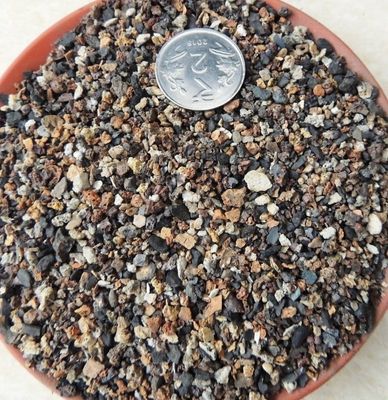
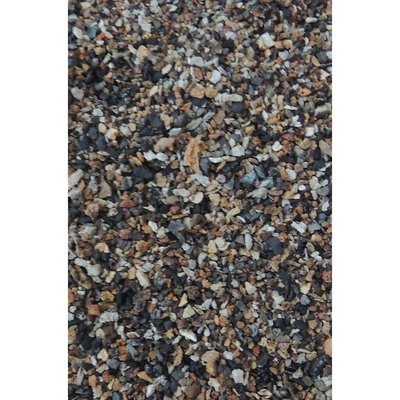
Cactus & Succulent Planting Mix FINE (aka Cactus Soil Mix or Succulent Soil Mix)
Cactus & Succulent Planting Mix FINE (aka Cactus Soil Mix or Succulent Soil Mix)
Fine-Grain Potting Mix for Cactus & Succulent Roots
SKU MNS001
5.0
(3)
₹39.85

Cactus & Succulent Planting Mix COARSE (aka Cactus Soil Mix or Succulent Soil Mix)
Cactus & Succulent Planting Mix COARSE (aka Cactus Soil Mix or Succulent Soil Mix)
Washed, Free-Draining Mineral Mix for Cactus & Succulents
SKU MNS003
5.0
(1)
₹44.85

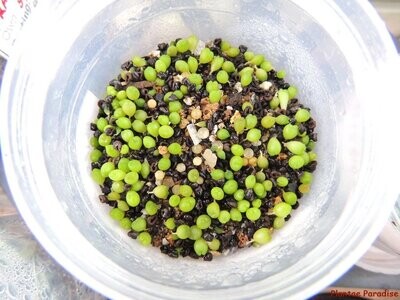
Cactus Seed Planting Mix
Cactus Seed Planting Mix
Sterile, Fine-Grain Media for Cactus & Succulent Seeds
SKU MNS005
₹74.85
Display prices in:INR
