
Categories
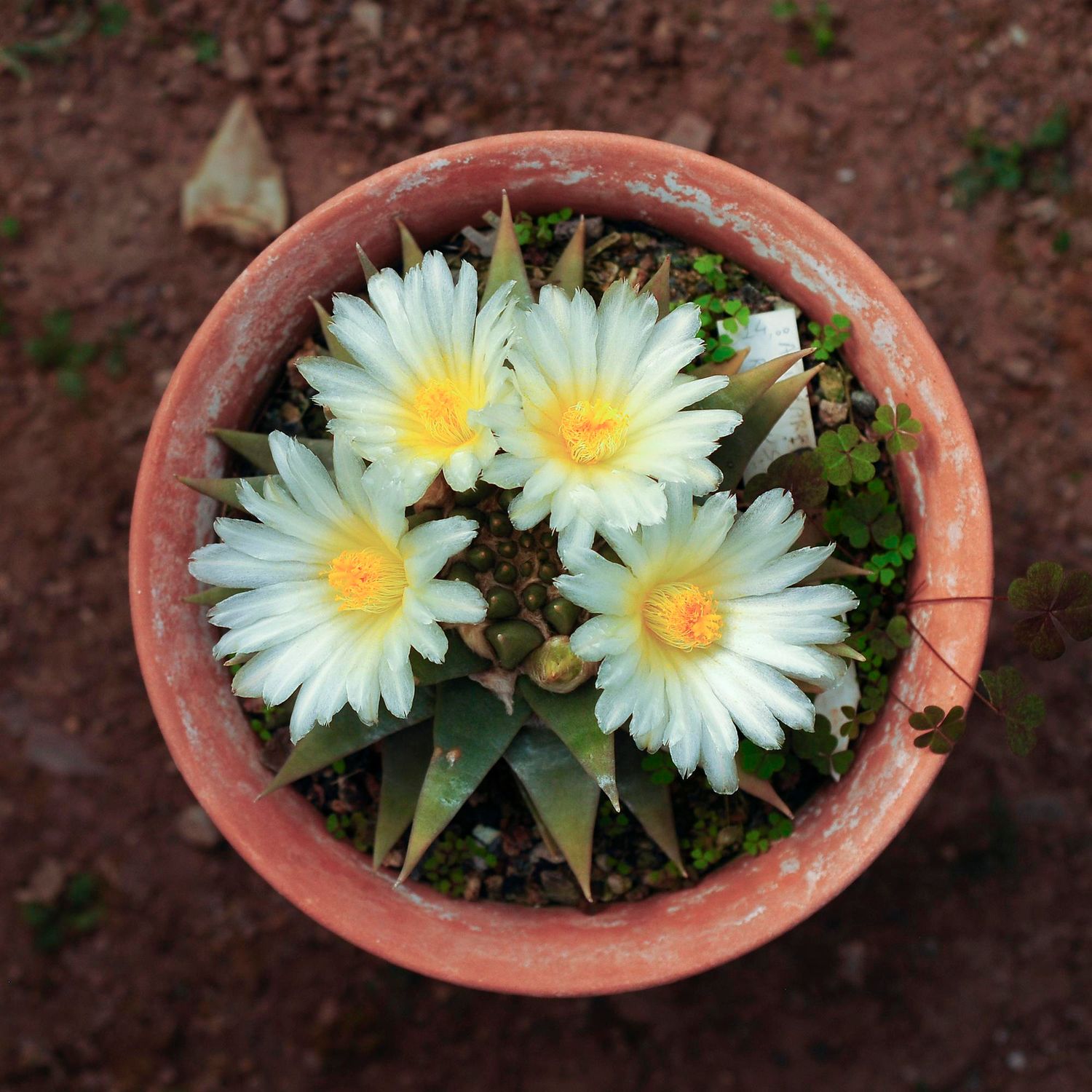
Ariocarpus Retusus
SKU AR001A
₹380.00
In stock: 9 available
1
Save this product for later
Customer reviews
Reviews only from verified customers
No reviews yet. You can buy this product and be the first to leave a review.
Ariocarpus Retusus
Product Details
Seed grown plants. 4 year old.
Name: Ariocarpus retusus
Origin: Native to the arid regions of Mexico and southern Texas, Ariocarpus retusus is well adapted to survive in rocky, limestone-rich soils and extreme desert conditions.
Origin of Name: The genus name "Ariocarpus" derives from Greek roots meaning "without" (a-) and "fruit" (carpus), referencing the plant’s unusual, often fruitless appearance. The species name "retusus" is Latin for "burr-shaped" or "blunt-ended," describing the shape of its tubercles and the tips of its areoles.
Conservation Status: Listed as threatened in some regions due to overcollection and habitat loss, making responsible cultivation and conservation efforts crucial for this species.
Description:
Ariocarpus retusus is a slow-growing, globular or flattened succulent cactus, characterized by its distinctive, flattened, tubercle-like projection that resembles a rosette. Its surface is usually pale green or grayish-green, often featuring fine white or brownish woolly areoles. It produces striking, funnel-shaped flowers in shades of pink, lavender, or white, typically blooming in late fall or winter, which attract pollinators. The plant may remain subterranean or just barely emerge from the soil for much of its life, adding to its cryptic beauty.
Care Instructions:
- Light: Requires bright, direct sunlight for best coloration and flowering. Insufficient light can lead to etiolation (elongation).
- Water: Water sparingly; allow the soil to dry out completely between waterings, especially during the winter dormancy period.
- Soil: Prefers extremely well-draining, mineral-rich soil with limestone or gravel. Use a cactus or succulent mix with added grit.
- Temperature: Thrives in warm temperatures between 70-90°F (21-32°C). Protect from frost and freezing temperatures.
- Additional Tips: Handle carefully due to its spines; avoid overwatering and provide excellent drainage. It is a slow grower and may take years to reach maturity, but its flowers and unique form make it highly rewarding.
Uses & Significance:
Ariocarpus retusus is highly prized among succulent collectors for its rarity, striking appearance, and beautiful flowers. It exhibits a remarkable adaptation to desert life, symbolizing resilience and the extraordinary diversity of cacti native to North America. Its cultivation supports conservation efforts and preserves its endangered status in the wild.
You May Also Like
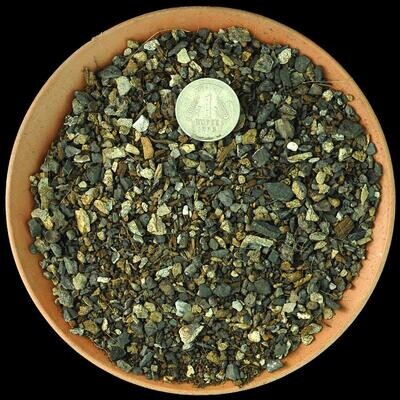
FORTIFIED Cactus & Succulent SOIL (COARSE)
FORTIFIED Cactus & Succulent SOIL (COARSE)
SKU MNS004
5.0
(8)
₹50.51
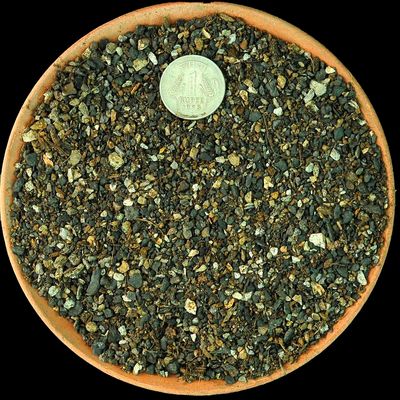
FORTIFIED Cactus & Succulent SOIL (FINE)
FORTIFIED Cactus & Succulent SOIL (FINE)
SKU MNS002
5.0
(3)
₹45.51
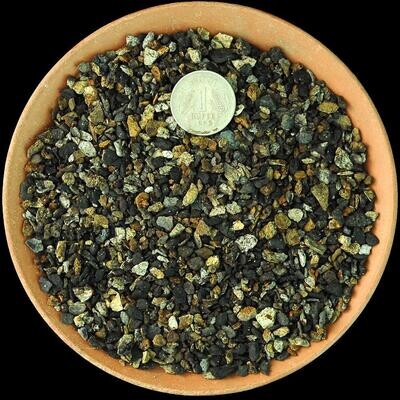
Cactus & Succulent Planting Mix COARSE (aka Cactus Soil Mix or Succulent Soil Mix)
Cactus & Succulent Planting Mix COARSE (aka Cactus Soil Mix or Succulent Soil Mix)
Washed, Free-Draining Mineral Mix for Cactus & Succulents
SKU MNS003
5.0
(1)
₹40.51
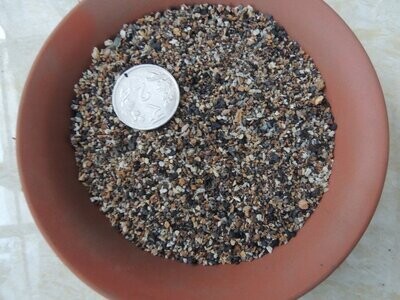
Cactus Seed Planting Mix
Cactus Seed Planting Mix
Sterile, Fine-Grain Media for Cactus & Succulent Seeds
SKU MNS005
₹70.51
Display prices in:INR
