
Categories
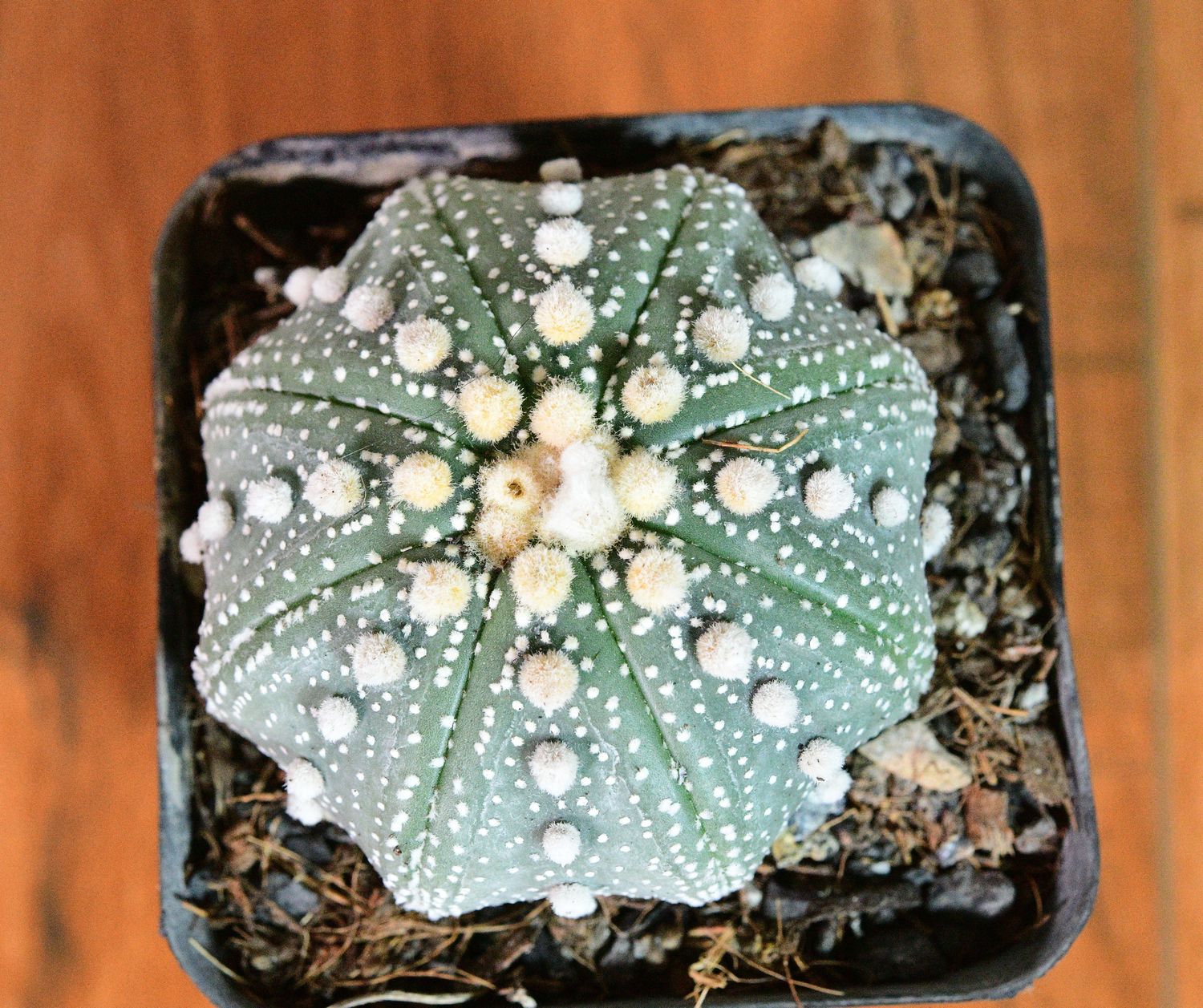
Astrophytum asterias yamamoto
5.0
2 reviews
Reviews from verified customers who have purchased products at this store.
SKU AA019
₹750.00
Dense snowy-white patterns on a perfectly sculpted star cactus.
In stock: 1 available
1
Save this product for later
Customer reviews
Reviews only from verified customers
Reviews are only accepted from verified customers who have signed in and purchased the products. This ensures that each review is based on genuine customer experiences. All reviews are checked before publication to prevent spam.
Kabir k.
Mumbai,
India
Mon, June 1, 2026
What a beautiful healthy specimen
Astrophytum asterias yamamoto
Product Details
The Living Star: Astrophytum asterias 'Yamamoto'
A pinnacle of Japanese hybridization, this coveted "Super Kabuto" selection is a masterclass in geometric symmetry and elite succulent rarities.
- Origin & History of Name: The genus name Astrophytum is derived from the Greek astron (star) and phyton (plant), referring to its celestial shape.
The specific epithet asterias also means "star-like." The cultivar name 'Yamamoto' honors the renowned Japanese breeder who specialized in the "Super Kabuto" line, selecting for the dense, snowy-white flocking that defines this high-end variety. - Morphology: This spineless cactus features a depressed-globose, solitary stem.
Its epidermis is characterized by 8 flat costae (ribs) divided by deep furrows. The "Yamamoto" trait is distinguished by an exaggerated density of white trichome dots (flocking) that can nearly obscure the green body, creating a mosaic-like aesthetic. Plus it also grows to a SUPER SIZE. The central areoles are prominent, circular, and felted, typically lacking any spines. - Habitat & Origin: This is a highly refined cultivar of Japanese origin. While the base species Astrophytum asterias is native to the Rio Grande Valley in Texas and parts of Mexico, the 'Yamamoto' form exists exclusively in cultivation. Proactive nursery breeding of this cultivar helps protect wild populations, which are critically endangered due to habitat loss and illegal poaching.
- Cultivation Profile:
- Substrate: Use a strictly mineral-based mix (70% crushed pumice, lava rock, or coarse sand with 30% organic matter) to ensure rapid drainage.
- Light: Requires bright, filtered sunlight.
In the intense Indian summer, provide 30-50% shade cloth to prevent epidermal scorching. - Water/Dormancy: Water only when the substrate is completely bone-dry during the growing season (March–September). Maintain strict winter dormancy from November to February by withholding water entirely to prevent root rot in humid Indian winters.
- Scientific/Historical Anecdote: The Astrophytum genus was first described by Charles Lemaire in 1839. For decades, A. asterias was considered a botanical holy grail because it was "lost" to science after its initial discovery, only to be rediscovered in the early 20th century. Today, the Japanese "Kabuto" (Samurai Helmet) breeding programs have transformed this once-rare wild plant into a diverse spectrum of living art.
You May Also Like
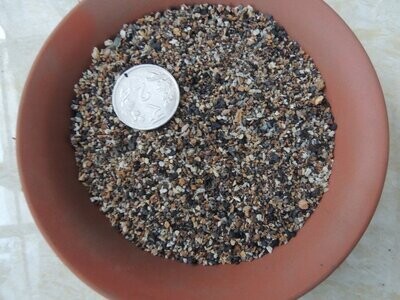
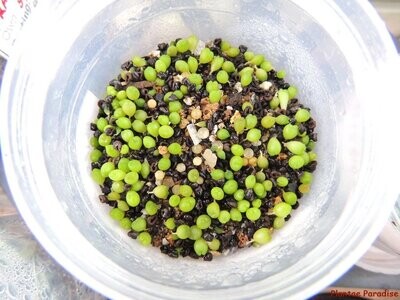
Cactus Seed Planting Mix
Cactus Seed Planting Mix
Sterile, Fine-Grain Media for Cactus & Succulent Seeds
SKU MNS005
₹74.85
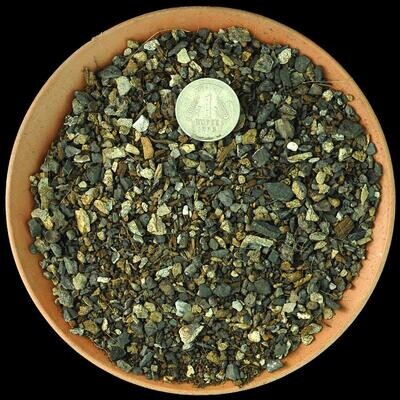
FORTIFIED Cactus & Succulent SOIL (COARSE)
FORTIFIED Cactus & Succulent SOIL (COARSE)
SKU MNS004
5.0
(11)
₹54.85
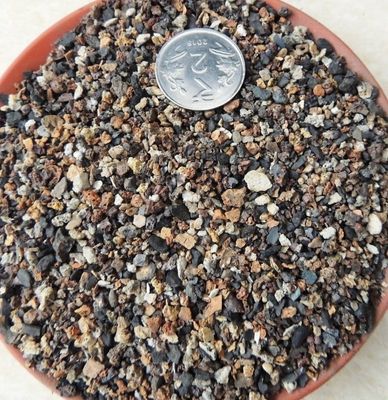
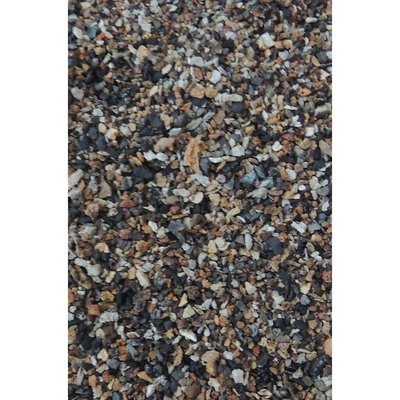
Cactus & Succulent Planting Mix FINE (aka Cactus Soil Mix or Succulent Soil Mix)
Cactus & Succulent Planting Mix FINE (aka Cactus Soil Mix or Succulent Soil Mix)
Fine-Grain Potting Mix for Cactus & Succulent Roots
SKU MNS001
5.0
(3)
₹39.85
New
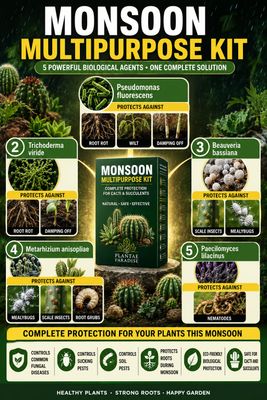
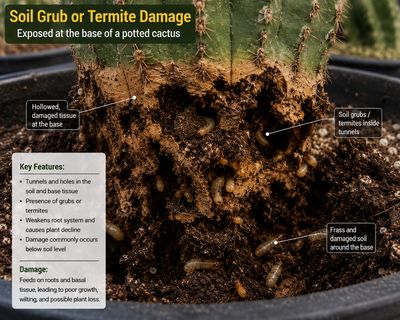
Monsoon Guardian Kit (5 in 1)
Monsoon Guardian Kit (5 in 1)
Complete 5-in-1 biological protection kit for cacti & succulents
SKU MNS024
₹850.00
Display prices in:INR
