
Categories
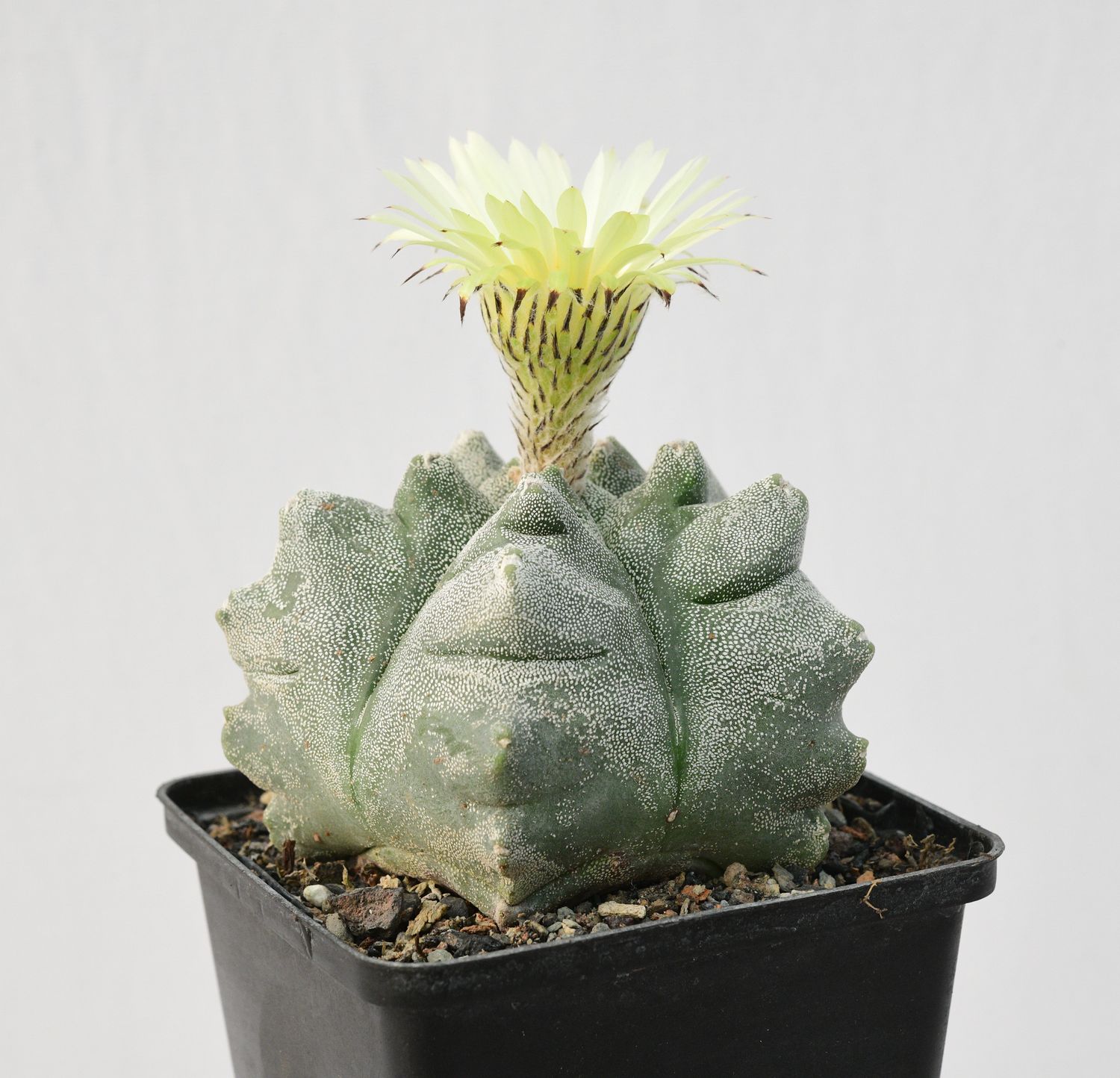
Astrophytum myriostigma cv KIKKO
SKU AM016B
₹880.00
Deep tortoise-shell textures with architectural desert beauty.
In stock: 1 available
1
Save this product for later
Customer reviews
Reviews only from verified customers
No reviews yet. You can buy this product and be the first to leave a review.
Astrophytum myriostigma cv KIKKO
Product Details
Architectural Rarity: Astrophytum myriostigma cv. Kikko A highly collectible Japanese cultivar celebrated for its deeply fissured, geometric ribs that mimic the intricate pattern of a tortoise shell.
1. Origin & History of Name The genus name is derived from the Greek astron (star) and phyton (plant), describing its viewed-from-above shape.
2. Morphology This cultivar differs significantly from the standard Bishop's Cap due to its modified costae (ribs). Instead of running in smooth, straight lines, the ribs possess deep transverse fissures that break the plant's surface into angular, geometric tubercles.
3. Habitat & Origin The 'Kikko' is a horticultural cultivar resulting from intensive selective breeding in Japan; it is not found in nature. The botanical parent species, Astrophytum myriostigma, is native to the Chihuahuan Desert in Mexico. Because this plant is propagated in nurseries, its trade is sustainable and does not impact wild populations.
4. Cultivation Profile
- Substrate: Requires a highly porous, mineral-heavy mix.
Use 70% grit (pumice, perlite, or crushed brick) mixed with 30% cactus soil. Avoid heavy Indian garden soil (laal mitti) or clay, which cause root rot. - Light: Thrives in bright, filtered sunlight. In the Indian climate, protect from direct scorching afternoon sun (1 PM–4 PM) during summer using 50% shade cloth, but provide full morning sun to maintain the tight, geometric shape.
- Water & Dormancy: Water thoroughly only when the substrate is completely dry. Crucial: Keep strictly dry and sheltered during the Indian Monsoon to prevent fungal issues. Reduce watering significantly in winter (November–February) to induce dormancy.
5. Scientific/Historical Anecdote While the species A. myriostigma was discovered by botanist Henri Galeotti in 1837, the 'Kikko' form represents a modern horticultural achievement. The "tortoise shell" pattern is not just aesthetic; in Japanese culture, the tortoise symbolizes longevity (10,000 years), making this slow-growing cultivar a botanical representation of endurance and luck.
You May Also Like
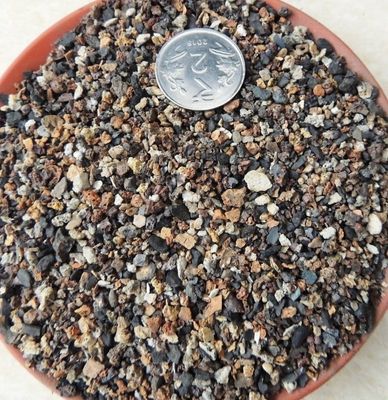
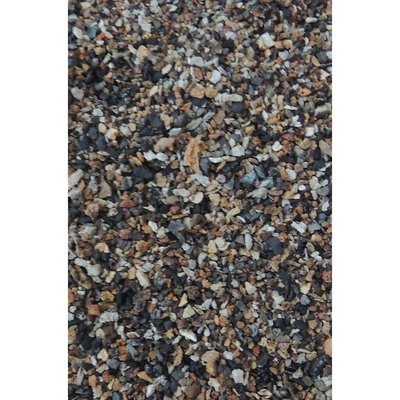
Cactus & Succulent Planting Mix FINE (aka Cactus Soil Mix or Succulent Soil Mix)
Cactus & Succulent Planting Mix FINE (aka Cactus Soil Mix or Succulent Soil Mix)
Fine-Grain Potting Mix for Cactus & Succulent Roots
SKU MNS001
5.0
(3)
₹39.85

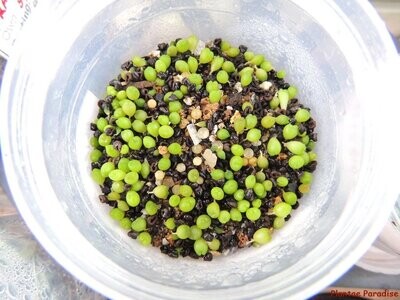
Cactus Seed Planting Mix
Cactus Seed Planting Mix
Sterile, Fine-Grain Media for Cactus & Succulent Seeds
SKU MNS005
₹74.85
New
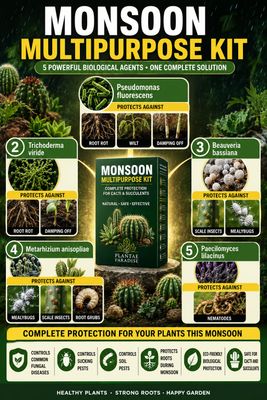
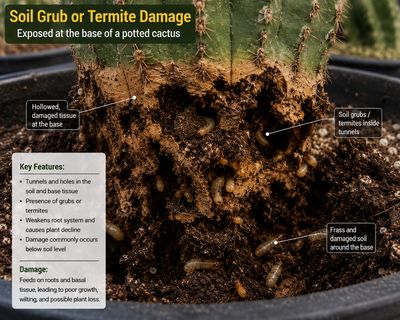
Monsoon Guardian Kit (5 in 1)
Monsoon Guardian Kit (5 in 1)
Complete 5-in-1 biological protection kit for cacti & succulents
SKU MNS024
₹850.00

Cactus & Succulent Planting Mix COARSE (aka Cactus Soil Mix or Succulent Soil Mix)
Cactus & Succulent Planting Mix COARSE (aka Cactus Soil Mix or Succulent Soil Mix)
Washed, Free-Draining Mineral Mix for Cactus & Succulents
SKU MNS003
5.0
(1)
₹44.85
Display prices in:INR
