
Categories
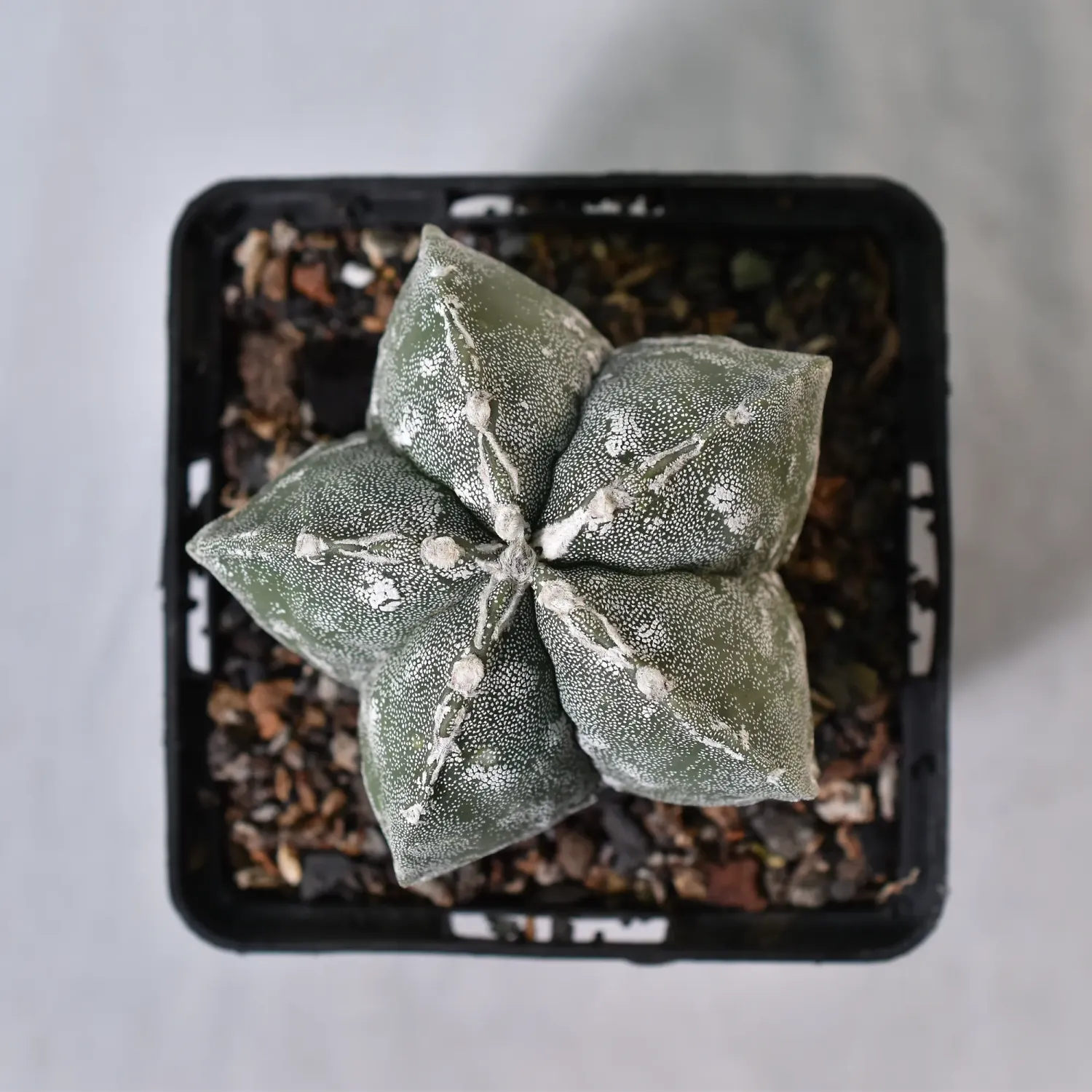
Astrophytum myriostigma cv PIPES
SKU AM023A
₹600.00
Clean green ribs traced with rare white pipeline markings.
In stock: 1 available
1
Save this product for later
Customer reviews
Reviews only from verified customers
No reviews yet. You can buy this product and be the first to leave a review.
Astrophytum myriostigma cv PIPES
Product Details
Architectural Elegance: Astrophytum myriostigma cv 'Pipes'
A visually striking, spine-free collector’s piece featuring rare, parallel white 'pipelines' that trace its geometric ribs, offering a modern, sculptural aesthetic ideal for bright interiors.
1. Origin & History of Name The genus name Astrophytum is derived from the Greek astron (star) and phyton (plant), referring to its star-shaped view from above.
2. Morphology This cultivar is a glabrous (smooth-skinned) variation, lacking the typical all-over white flocking of the standard species, revealing a vibrant green epidermis. Its defining characteristic is the specialized formation of the costae (ribs); instead of discrete areoles, the plant features distinct, woolly lines running longitudinally along the rib margins.
3. Habitat & Origin Cultivar: This plant is a nursery-produced cultivar and does not exist in this form in the wild. Parentage: The parent species, Astrophytum myriostigma, is native to the highlands of northeastern Mexico (Chihuahua, Coahuila, Durango), where it grows in calcareous (limestone-rich) soils.
4. Cultivation Profile
- Substrate: Requires a highly porous, mineral-based mix (70% inorganic materials like pumice, perlite, or grit; 30% sterile compost or cocopeat) to ensure rapid drainage and prevent root rot in humid Indian monsoons.
- Light: Thrives in bright, filtered sunlight.
In the Indian subcontinent, protect from harsh midday sun (12 PM – 4 PM) during summer to prevent scorching, but ensure full morning exposure to maintain the tight, compact "pipe" markings. - Water & Dormancy: Water thoroughly only when the substrate is completely dry (roughly every 10-14 days in summer). Adopt a strict "dry dormancy" in winter (November–February), withholding water almost entirely to encourage spring flowering and maintain shape.
5. Scientific/Historical Anecdote When Astrophytum myriostigma was first introduced to Europe in the 19th century, its spineless, geometric shape was so unlike other known cacti that it was widely compared to a "Bishop's Miter" (the ceremonial headdress of a bishop).
You May Also Like
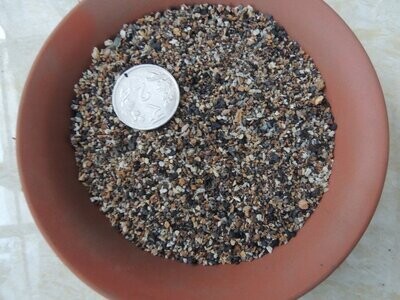
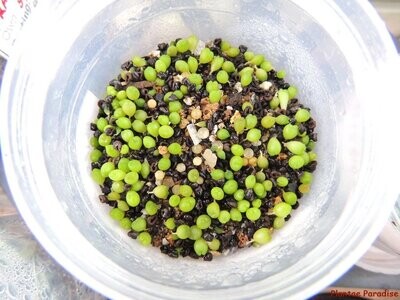
Cactus Seed Planting Mix
Cactus Seed Planting Mix
Sterile, Fine-Grain Media for Cactus & Succulent Seeds
SKU MNS005
₹74.85


Cactus & Succulent Planting Mix FINE (aka Cactus Soil Mix or Succulent Soil Mix)
Cactus & Succulent Planting Mix FINE (aka Cactus Soil Mix or Succulent Soil Mix)
Fine-Grain Potting Mix for Cactus & Succulent Roots
SKU MNS001
5.0
(3)
₹39.85
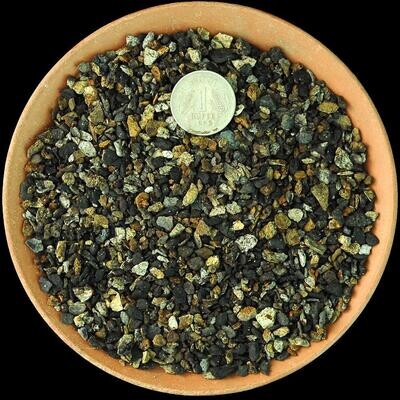
Cactus & Succulent Planting Mix COARSE (aka Cactus Soil Mix or Succulent Soil Mix)
Cactus & Succulent Planting Mix COARSE (aka Cactus Soil Mix or Succulent Soil Mix)
Washed, Free-Draining Mineral Mix for Cactus & Succulents
SKU MNS003
5.0
(1)
₹44.85
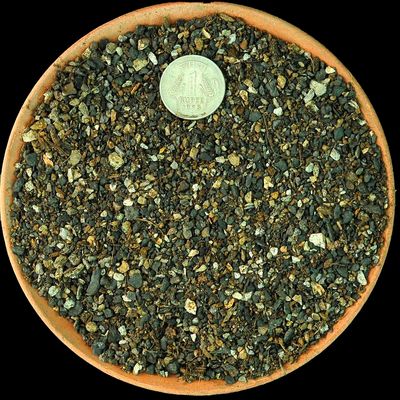
FORTIFIED Cactus & Succulent SOIL (FINE)
FORTIFIED Cactus & Succulent SOIL (FINE)
SKU MNS002
5.0
(4)
₹49.85
Display prices in:INR
