
Categories
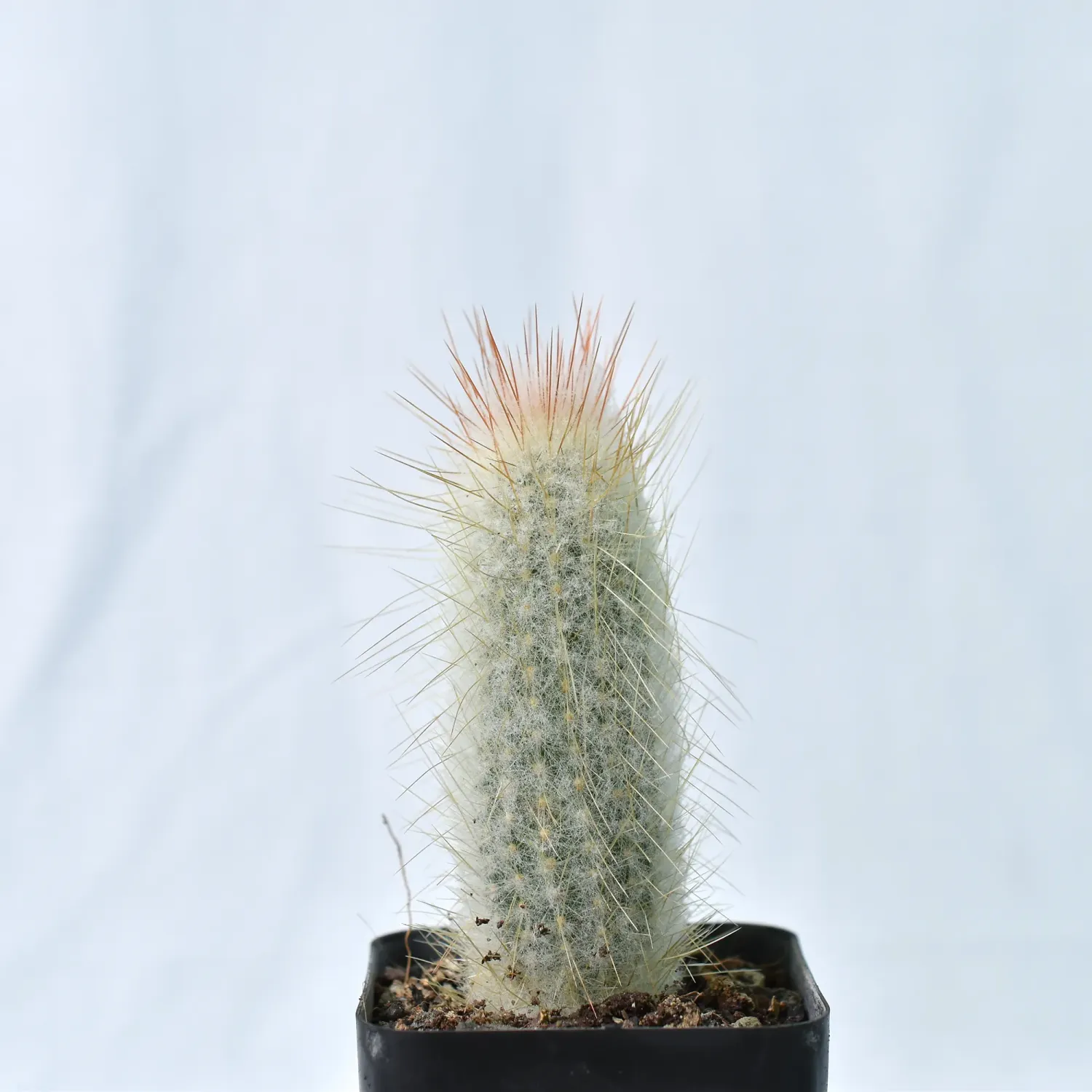
Austrocephalocereus dybowskii
SKU AT001
₹650.00
Rare Woolly Columnar Cactus with Architectural Appeal
In stock: 14 available
1
Save this product for later
Customer reviews
Reviews only from verified customers
No reviews yet. You can buy this product and be the first to leave a review.
Austrocephalocereus dybowskii
Product Details
The Silver Torch of Bahia: Austrocephalocereus dybowskii
A shimmering architectural masterpiece, this rare "Old Man" cactus is a coveted centerpiece for any serious xeric collection.
- Origin & History of Name: The genus name Austrocephalocereus derives from the Latin auster (south) and the Greek kephale (head), referring to the woolly "cephalium" or flowering head that forms on the side of these southern-dwelling cacti. The species name honors Jean Dybowski (1856–1928), a French botanist and agronomist known for his extensive botanical expeditions.
- Morphology: This columnar cactus is defined by its dense, white, woolly hair that completely obscures the green epidermis.
It features 20–28 longitudinal costae (ribs) which are hidden beneath the villous coating. As it matures, it develops a lateral pseudocephalium—a specialized woolly patch from which small, nocturnal white flowers emerge. - Habitat & Origin: This is a wild species native to the state of Bahia, Brazil.
It grows on rocky outcrops and quartzitic hills. Our specimens are nursery-grown from seed to ensure the protection of wild populations and the sustainability of the species in the trade. - Cultivation Profile:
- Substrate: A strictly mineral-based mix. Combine 70% coarse grit (pumice, perlite, or crushed brick) with 30% organic matter. Ensure high porosity to prevent root rot in humid Indian climates.
- Light: Full, direct sunlight is essential. In the Indian subcontinent, it thrives in south-facing balconies or terraces. Intense light promotes the thickness of the white woolly "hair."
- Water/Dormancy: Water deeply but infrequently during the summer monsoon buildup. Maintain strict dormancy during the winter; keep the plant completely dry from November to February to mimic its natural dry season and prevent fungal issues.
- Scientific/Historical Anecdote: Austrocephalocereus dybowskii was originally placed in the genus Cephalocereus but was later moved because of its unique flowering habit. Unlike many "head-flowering" cacti that grow a woolly cap at the very top, this species develops its flowering tissue along the side of the stem, allowing it to continue vertical growth while simultaneously blooming.
You May Also Like
New


Monsoon Guardian Kit (5 in 1)
Monsoon Guardian Kit (5 in 1)
Complete 5-in-1 biological protection kit for cacti & succulents
SKU MNS024
₹850.00

FORTIFIED Cactus & Succulent SOIL (COARSE)
FORTIFIED Cactus & Succulent SOIL (COARSE)
SKU MNS004
5.0
(11)
₹54.85

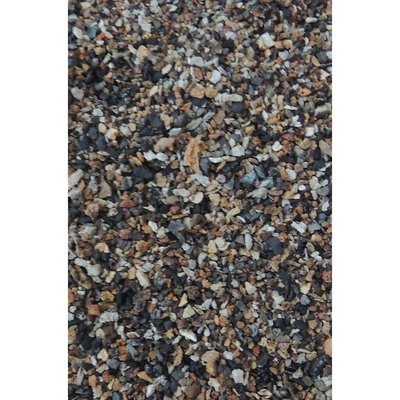
Cactus & Succulent Planting Mix FINE (aka Cactus Soil Mix or Succulent Soil Mix)
Cactus & Succulent Planting Mix FINE (aka Cactus Soil Mix or Succulent Soil Mix)
Fine-Grain Potting Mix for Cactus & Succulent Roots
SKU MNS001
5.0
(3)
₹39.85
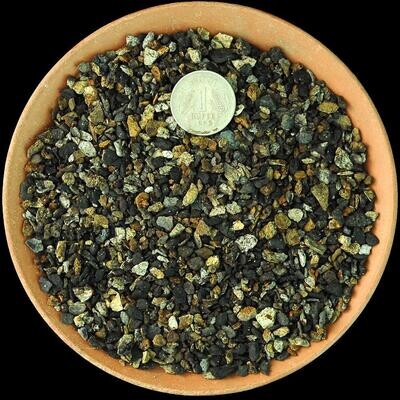
Cactus & Succulent Planting Mix COARSE (aka Cactus Soil Mix or Succulent Soil Mix)
Cactus & Succulent Planting Mix COARSE (aka Cactus Soil Mix or Succulent Soil Mix)
Washed, Free-Draining Mineral Mix for Cactus & Succulents
SKU MNS003
5.0
(1)
₹44.85
Display prices in:INR
