
Categories
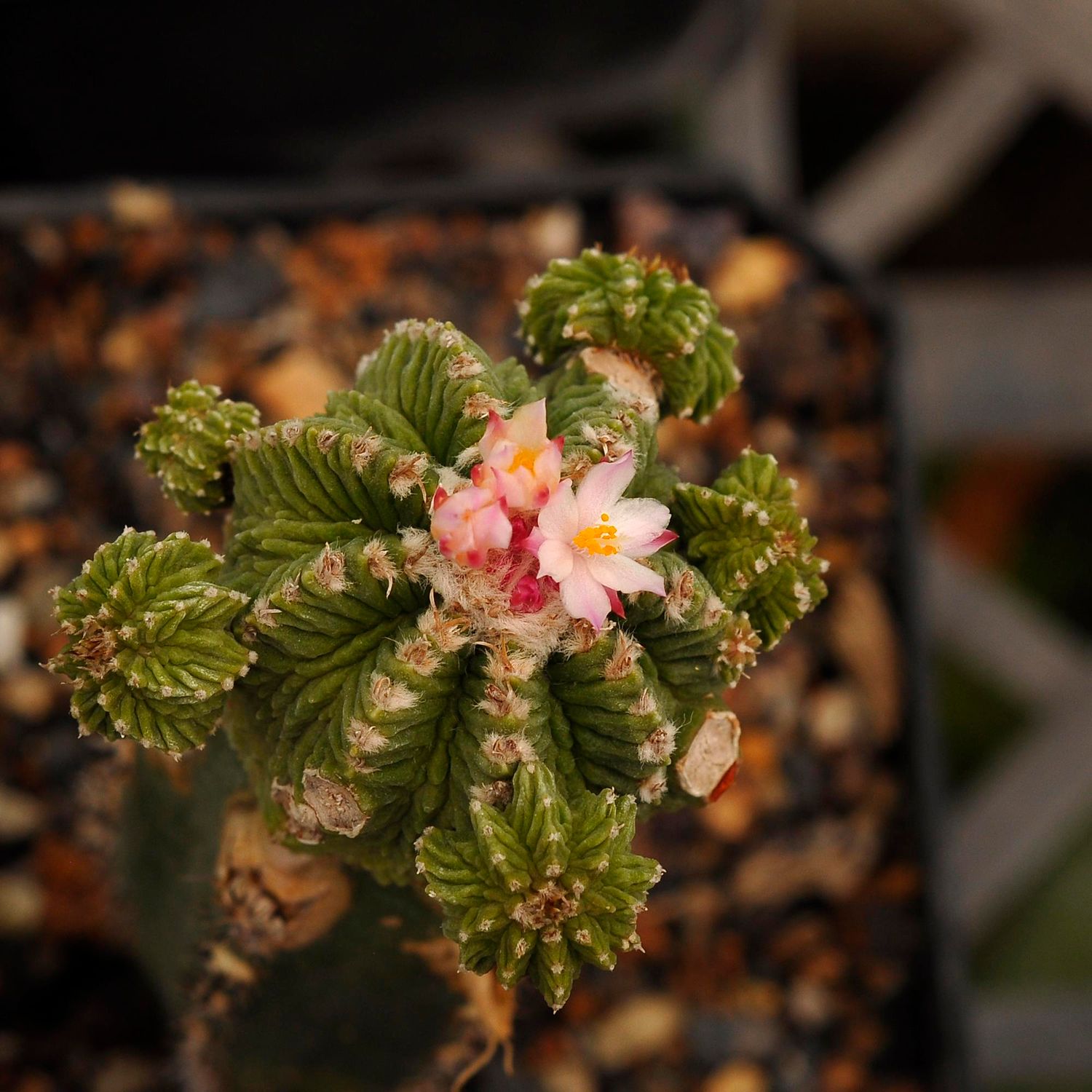
Aztekium ritteri
SKU AZ002
₹650.00
Sold out
Sold out
Save this product for later
Customer reviews
Reviews only from verified customers
No reviews yet. You can buy this product and be the first to leave a review.
Aztekium ritteri
Product Details
The Sacred Geomancer: Aztekium ritteri
An ultra-rare, slow-growing botanical masterpiece that captivates collectors with its intricate, stone-like architecture.
1. Origin & History of Name The genus name Aztekium derives from the plant’s wrinkled, folded appearance, which botanist Friedrich Bödeker noted bore a striking resemblance to the geometric step-pyramid sculptures of the Aztec civilization.
2. Morphology Aztekium ritteri is a miniature, globose cactus characterized by its distinctively sculpted ribs (costae) and complex transverse sulci (grooves) that create a textured, rugged epidermis.
3. Habitat & Origin This is a wild species endemic to the abrupt limestone cliffs of Rayones in Nuevo León, Mexico.
4. Cultivation Profile
- Substrate: Requires a strictly mineral-based, non-organic mix to replicate its native limestone cliffs. A blend of 80% pumice, cinder, or coarse river sand with 20% garden soil is ideal. Avoid peat or coco-peat entirely to prevent root rot.
- Light: Needs bright, filtered sunlight. In the Indian context, protect it from the direct, scorching midday sun during peak summer (May–June) to prevent bleaching, but ensure ample light during winter to maintain compact growth.
- Water/Dormancy: Extremely rot-prone. Water sparingly only when the substrate is bone dry. During the Indian monsoon, keep completely sheltered from rain and high humidity. Cease watering entirely during the winter dormancy period (November–February).
5. Scientific/Historical Anecdote For over six decades, Aztekium ritteri was the sole member of its genus, creating a long-standing botanical mystery. It wasn't until 1991 that a second species, Aztekium hintonii, was discovered in a nearby canyon, confirming the genus was not monotypic and reigniting global scientific interest in these "living fossils" of the cactus world.
You May Also Like
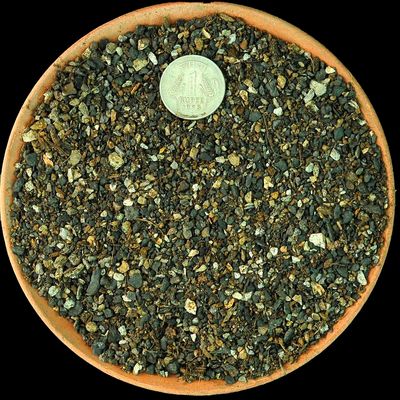
FORTIFIED Cactus & Succulent SOIL (FINE)
FORTIFIED Cactus & Succulent SOIL (FINE)
SKU MNS002
5.0
(4)
₹49.85
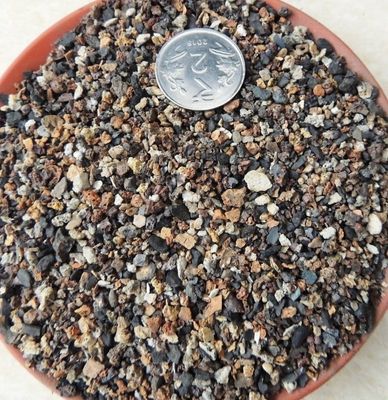
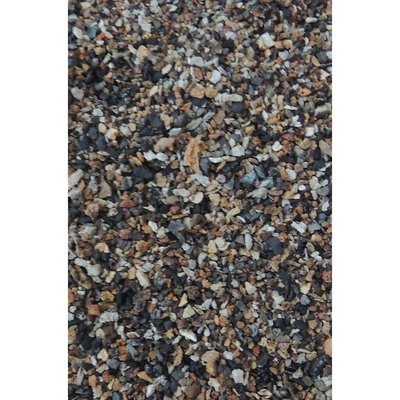
Cactus & Succulent Planting Mix FINE (aka Cactus Soil Mix or Succulent Soil Mix)
Cactus & Succulent Planting Mix FINE (aka Cactus Soil Mix or Succulent Soil Mix)
Fine-Grain Potting Mix for Cactus & Succulent Roots
SKU MNS001
5.0
(3)
₹39.85
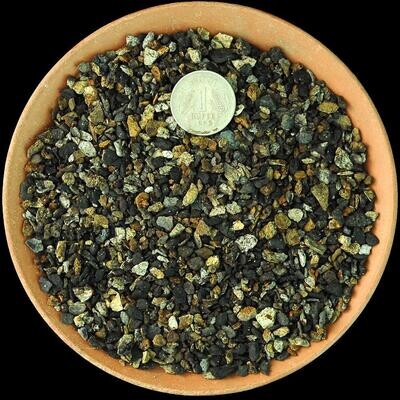
Cactus & Succulent Planting Mix COARSE (aka Cactus Soil Mix or Succulent Soil Mix)
Cactus & Succulent Planting Mix COARSE (aka Cactus Soil Mix or Succulent Soil Mix)
Washed, Free-Draining Mineral Mix for Cactus & Succulents
SKU MNS003
5.0
(1)
₹44.85
New
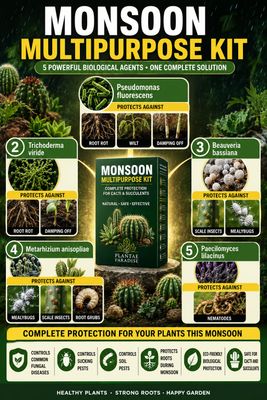
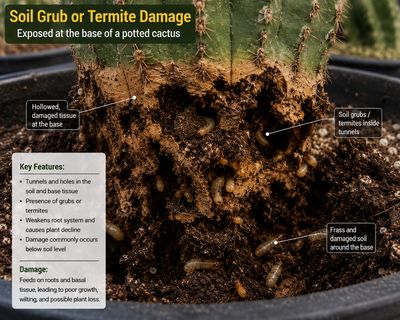
Monsoon Guardian Kit (5 in 1)
Monsoon Guardian Kit (5 in 1)
Complete 5-in-1 biological protection kit for cacti & succulents
SKU MNS024
₹850.00
Display prices in:INR
