
Categories
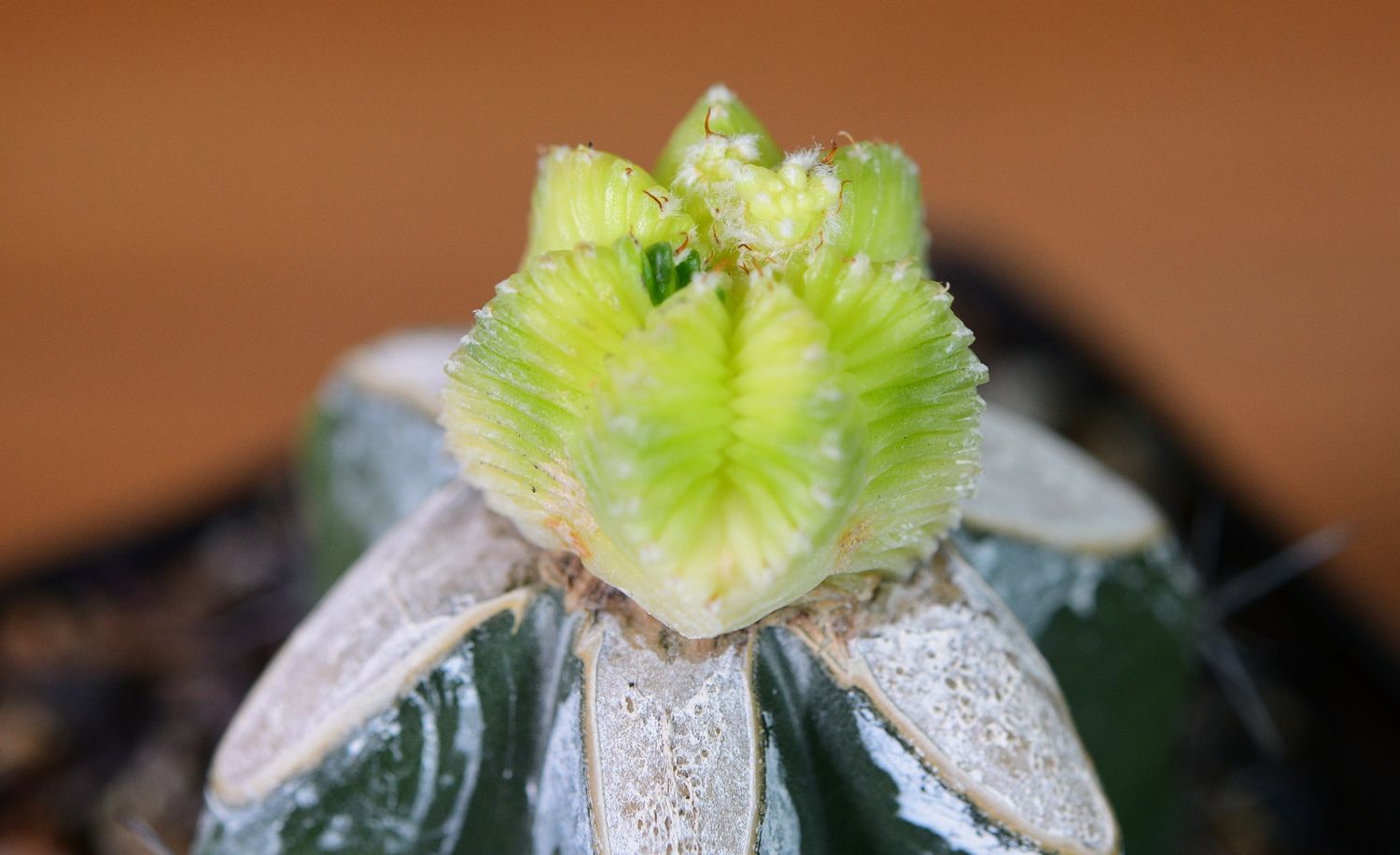
Aztekium valdezii Variegated
5.0
1 review
Reviews from verified customers who have purchased products at this store.
SKU AZ004
₹850.00
Sold out
Sold out
Save this product for later
Customer reviews
Reviews only from verified customers
Reviews are only accepted from verified customers who have signed in and purchased the products. This ensures that each review is based on genuine customer experiences. All reviews are checked before publication to prevent spam.
Debanjan P.
Kolkata,
India
Tue, September 22, 2026
Privileged to have this ultra-rare miniature gem from Mexico . Very beautiful variegation. The base species is already the rarest of its genus and this variegated version adds a level more to the rarity. PP is truly a collectors paradise for making a collectors dream of acquiring the 'holy grails of cacti' come true.
Aztekium valdezii Variegated
Product Details
The Collector’s Grail: Aztekium valdezii Variegated
An ultra-rare living sculpture defined by its slow-growing geometry and vibrant, neon-yellow variegation.
- Origin & History of Name: The genus name Aztekium was coined by Friedrich Boedeker in 1929, referencing the plant’s resemblance to Aztec stone carvings. The specific epithet valdezii honors Mario Alberto Valdéz Marroquín, who co-discovered the species. Formally described as recently as 2011, it is one of the newest additions to the genus.
- Morphology: This globular cactus is distinguished by its deeply recessed costae (ribs) and a rugose (wrinkled) epidermis. Unlike the grey-green type species, the variegated form features stable sectoral or marbled chlorophyll deficiency, resulting in bright yellow or cream patches. It typically possesses small, woolly areoles and produces delicate white-to-pink flowers from the apical meristem.
- Habitat & Origin: While the base species Aztekium valdezii is endemic to a highly localized limestone canyon in Nuevo León, Mexico, the variegated form is a cultivar primarily stabilized in specialized nurseries. Due to its extreme rarity and slow growth in the wild, this nursery-grown specimen is a sustainable alternative to poached field-collected plants.
- Cultivation Profile:
- Substrate: 90% mineral-based mix (pumice, perlite, and crushed limestone) with 10% organic matter to prevent root rot.
- Light: Bright, indirect sunlight. In the Indian summer, provide 50% shade cloth protection to prevent scorching of the variegated tissues.
- Water/Dormancy: Deep soak only when the substrate is bone-dry. During the Indian monsoon and winter (dormancy), withhold water entirely to maintain root health in high humidity.
- Scientific/Historical Anecdote: For nearly 80 years, the genus Aztekium was believed to contain only two species (A. ritteri and A. hintonii). The discovery of A. valdezii in 2011 shocked the botanical world because it was found in a region already well-traversed by botanists, proving that even "miniature" species can remain hidden in plain sight for decades.
You May Also Like
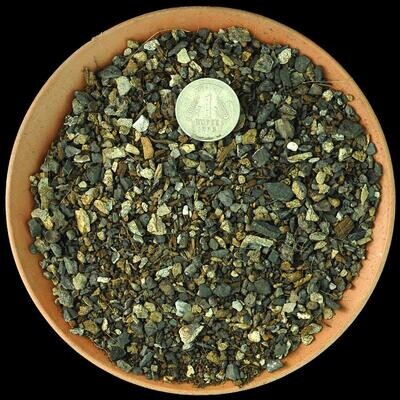
FORTIFIED Cactus & Succulent SOIL (COARSE)
FORTIFIED Cactus & Succulent SOIL (COARSE)
SKU MNS004
5.0
(12)
₹54.85
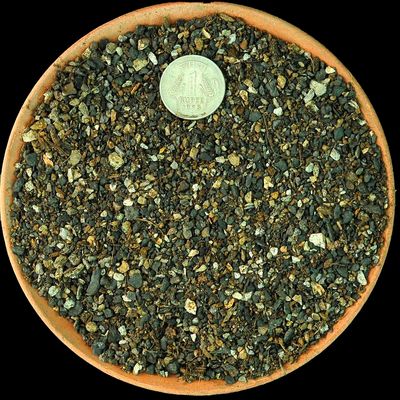
FORTIFIED Cactus & Succulent SOIL (FINE)
FORTIFIED Cactus & Succulent SOIL (FINE)
SKU MNS002
5.0
(4)
₹49.85
New
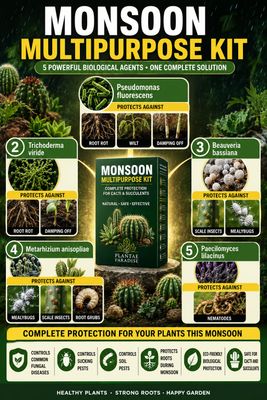
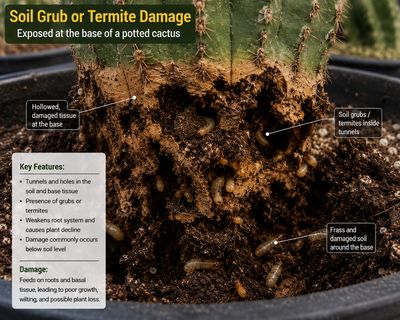
Monsoon Guardian Kit (5 in 1)
Monsoon Guardian Kit (5 in 1)
Complete 5-in-1 biological protection kit for cacti & succulents
SKU MNS024
₹850.00
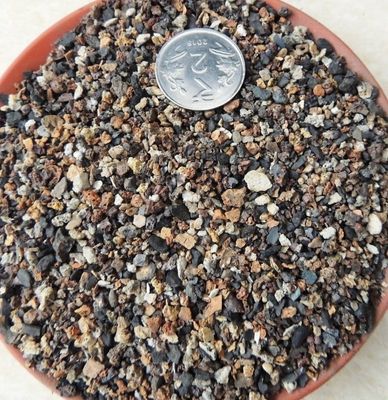
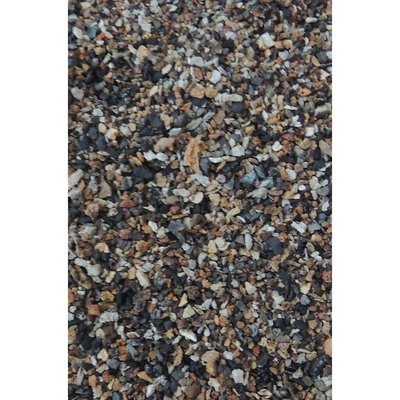
Cactus & Succulent Planting Mix FINE (aka Cactus Soil Mix or Succulent Soil Mix)
Cactus & Succulent Planting Mix FINE (aka Cactus Soil Mix or Succulent Soil Mix)
Fine-Grain Potting Mix for Cactus & Succulent Roots
SKU MNS001
5.0
(3)
₹39.85
Display prices in:INR
