
Categories
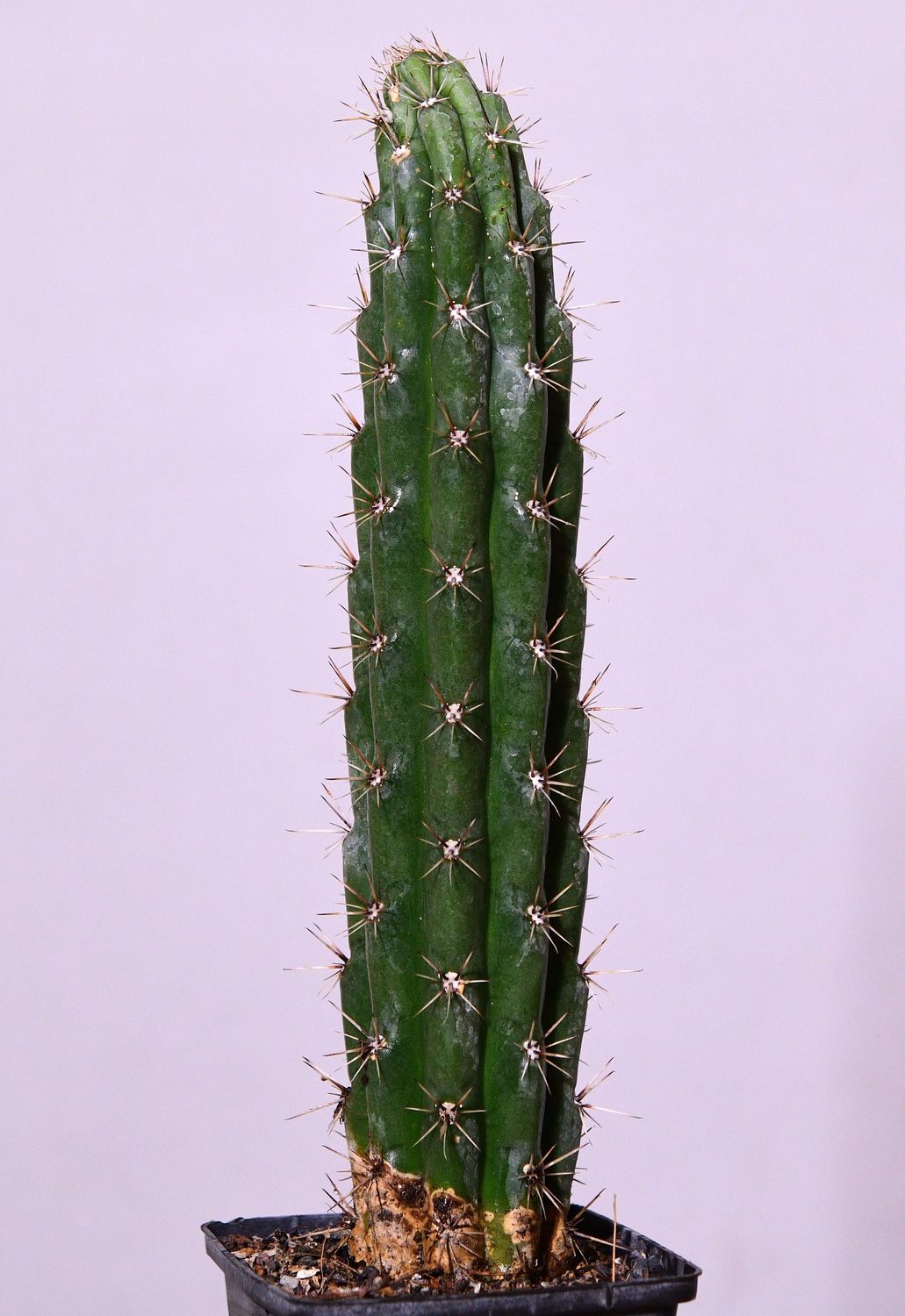
Browningia hertlingiana
SKU BG001
₹1 250.00
Sold out
Sold out
Save this product for later
Customer reviews
Reviews only from verified customers
No reviews yet. You can buy this product and be the first to leave a review.
Browningia hertlingiana
Product Details
Majestic Blue Column: Browningia hertlingiana
A monumental blue green columnar cactus, distinguished by its ethereal cerulean hue and imposing architectural presence.
- Origin & History of Name: The genus Browningia was named in honor of Webster E. Browning (1869-1942), an American educator and director of the Instituto Inglés in Santiago, Chile, known for his interest in South American cacti. The specific epithet hertlingiana commemorates Dr. Wilhelm Hertling, a German botanist and cactus collector. This species was first described by the German botanist Curt Backeberg in 1936.
- Morphology: This striking columnar cactus develops a single or sparsely branched trunk, capable of reaching several meters in height. Its most distinctive feature is the intense, powdery blue epidermis, covered by a thick, glaucous wax layer. The stems display numerous (8-16), relatively narrow, and often undulating ribs. Each areole is adorned with dense white wool and bears numerous stout, rigid spines, whose color can vary from yellow to dark brown. Mature specimens produce nocturnal, white, funnel-shaped flowers from a lateral pseudocephalium near the apex.
- Habitat & Origin: This is a wild species endemic to the high-altitude, arid inter-Andean valleys and rocky slopes of central Bolivia (specifically the departments of La Paz, Cochabamba, and Potosí). It typically grows between 2,500 and 3,500 meters above sea level. All commercially available specimens are nursery-propagated from seed or cuttings, ensuring sustainable access and contributing to the conservation of wild populations.
- Cultivation Profile:
- Substrate: Requires a highly porous, mineral-based mix with excellent drainage; a blend of 70-80% grit (e.g., pumice, lava rock, coarse sand) and 20-30% well-draining loam.
- Light: Thrives in full, direct sun exposure to maintain its most vibrant blue coloration and compact growth; insufficient light will lead to etiolation and a duller hue.
- Water/Dormancy: Water deeply during the warm growing season, allowing the substrate to dry completely between waterings. Significantly reduce frequency in autumn and keep largely dry through the cooler winter months.
- Scientific/Historical Anecdote: The captivating blue coloration of Browningia hertlingiana is not due to a blue pigment within the plant's tissues, but rather an impressive adaptation: a thick, waxy epicuticular layer that covers the epidermis. This layer reflects specific wavelengths of light, giving the cactus its characteristic cerulean appearance. Ecologically, this waxy coating is crucial for protecting the plant from intense solar radiation and reducing water loss in its harsh, high-altitude Andean environment, showcasing a sophisticated evolutionary response to extreme conditions.
Regenerate
Copy
Good response
Bad response
You May Also Like
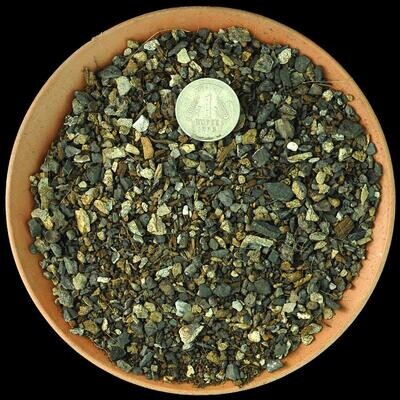
FORTIFIED Cactus & Succulent SOIL (COARSE)
FORTIFIED Cactus & Succulent SOIL (COARSE)
SKU MNS004
5.0
(11)
₹54.85
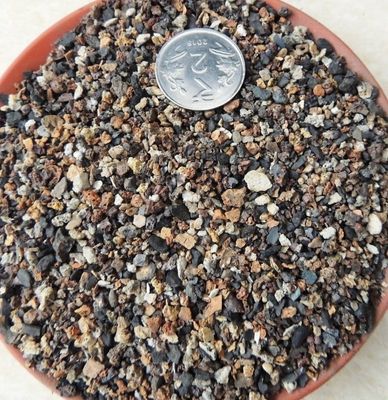
Cactus & Succulent Planting Mix FINE (aka Cactus Soil Mix or Succulent Soil Mix)
Cactus & Succulent Planting Mix FINE (aka Cactus Soil Mix or Succulent Soil Mix)
Fine-Grain Potting Mix for Cactus & Succulent Roots
SKU MNS001
5.0
(3)
₹39.85

Cactus & Succulent Planting Mix COARSE (aka Cactus Soil Mix or Succulent Soil Mix)
Cactus & Succulent Planting Mix COARSE (aka Cactus Soil Mix or Succulent Soil Mix)
Washed, Free-Draining Mineral Mix for Cactus & Succulents
SKU MNS003
5.0
(1)
₹44.85
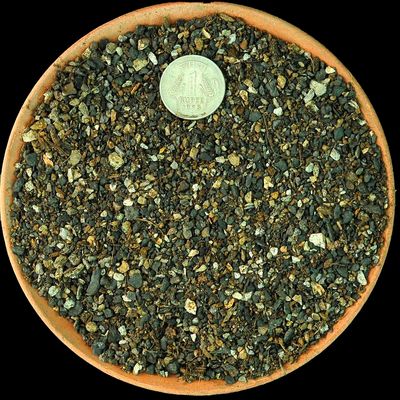
FORTIFIED Cactus & Succulent SOIL (FINE)
FORTIFIED Cactus & Succulent SOIL (FINE)
SKU MNS002
5.0
(4)
₹49.85
Display prices in:INR
