
Categories
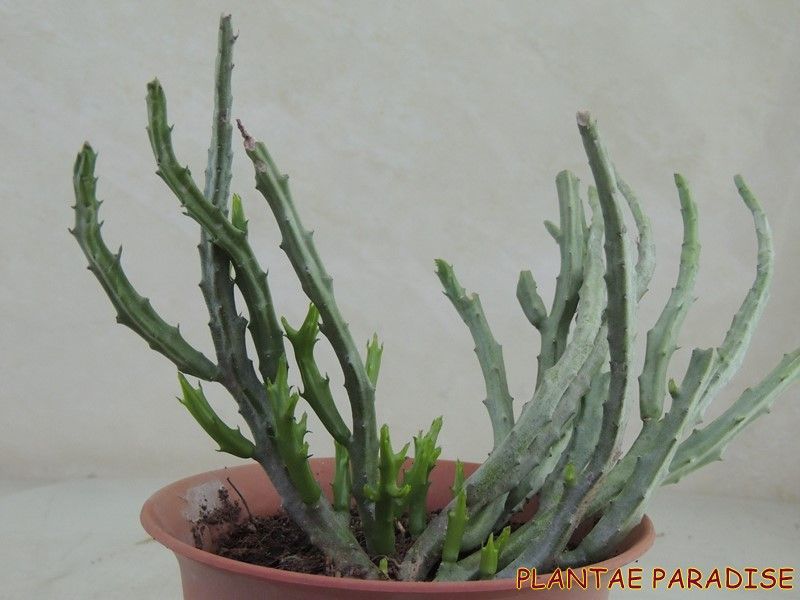
Caralluma adscendens
SKU ASC001
₹200.00
Sold out
Sold out
Save this product for later
Customer reviews
Reviews only from verified customers
No reviews yet. You can buy this product and be the first to leave a review.
Caralluma adscendens
Product Details
The Edible Geometrical: Caralluma adscendens
A rugged, native succulent prized for its architectural four-angled stems and its remarkable history as a traditional hunger-suppressant.
- Origin & History of Name: The genus name Caralluma is derived from the Arabic qahr-al-luhum, meaning "wound of the flesh" or "fissure," likely referring to the floral structures.
The specific epithet adscendens is Latin for "ascending," describing the plant’s upward-reaching growth habit. Historically, it was documented by European botanists in the late 18th century, though it has been known to indigenous cultures in India for millennia as Yugmaphalatantari. - Morphology: This succulent is characterized by succulent, quadrangular stems that lack true leaves.
The epidermis is typically dull green, often marbled with purple streaks when exposed to high light. The stems feature four prominent costae (ribs) lined with small, soft teeth. Its flowers are small, star-shaped, and usually dark maroon, featuring a complex corona structure typical of the Apocynaceae family to facilitate specialized pollination. - Habitat & Origin: Caralluma adscendens is a wild species native to the arid regions of India, the Arabian Peninsula, and parts of North Africa.
Within the Indian subcontinent, it is frequently found in the Deccan Plateau and rocky outcrops of Rajasthan. Our specimens are nursery-propagated from localized mother plants, ensuring the conservation of wild populations in their native scrub-forest habitats. - Cultivation Profile:
- Substrate: Requires a coarse, mineral-based mix with high porosity. A blend of 60% grit (lava rock or coarse sand) and 40% compost is ideal to prevent basal rot.
- Light: Thrives in bright, indirect light or partial morning sun. In the intense Indian summer, provide green net shading (50%) to prevent the epidermis from scorching.
- Water/Dormancy: Highly drought-tolerant.
Follow a strict dry-down period between waterings. Reduce moisture significantly during the monsoon to avoid fungal pathogens and maintain near-total dryness during the peak winter months.
- Scientific/Historical Anecdote: For centuries, Indian forest-dwelling communities have consumed the stems of Caralluma adscendens to suppress hunger and enhance endurance during long hunts. Modern pharmacology has since identified pregnane glycosides within the plant, which are believed to block the sensory mechanism of hunger in the hypothalamus, making it a subject of significant interest in weight-management science.
You May Also Like
New
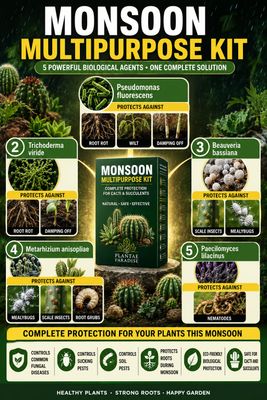
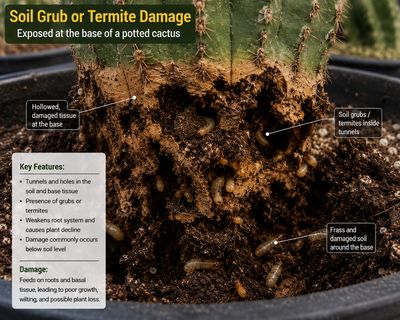
Monsoon Guardian Kit (5 in 1)
Monsoon Guardian Kit (5 in 1)
Complete 5-in-1 biological protection kit for cacti & succulents
SKU MNS024
₹850.00
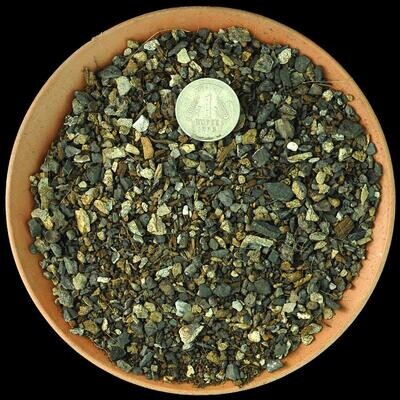
FORTIFIED Cactus & Succulent SOIL (COARSE)
FORTIFIED Cactus & Succulent SOIL (COARSE)
SKU MNS004
5.0
(11)
₹54.85
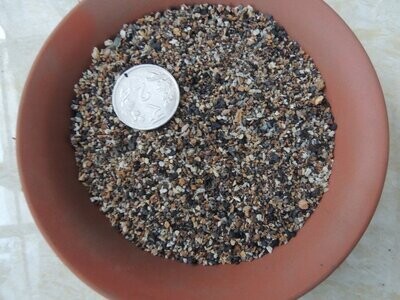
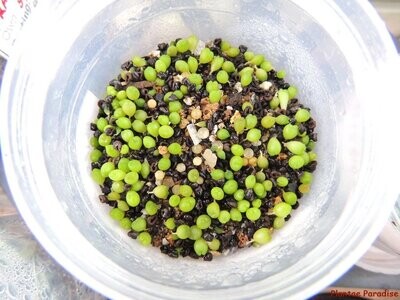
Cactus Seed Planting Mix
Cactus Seed Planting Mix
Sterile, Fine-Grain Media for Cactus & Succulent Seeds
SKU MNS005
₹74.85
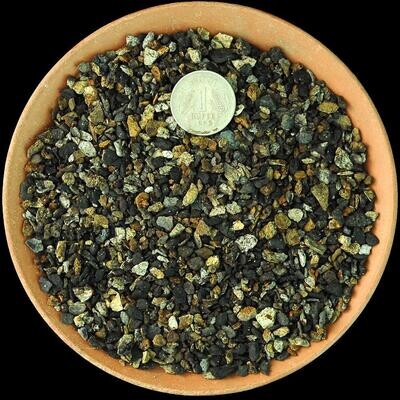
Cactus & Succulent Planting Mix COARSE (aka Cactus Soil Mix or Succulent Soil Mix)
Cactus & Succulent Planting Mix COARSE (aka Cactus Soil Mix or Succulent Soil Mix)
Washed, Free-Draining Mineral Mix for Cactus & Succulents
SKU MNS003
5.0
(1)
₹44.85
Display prices in:INR
