
Categories
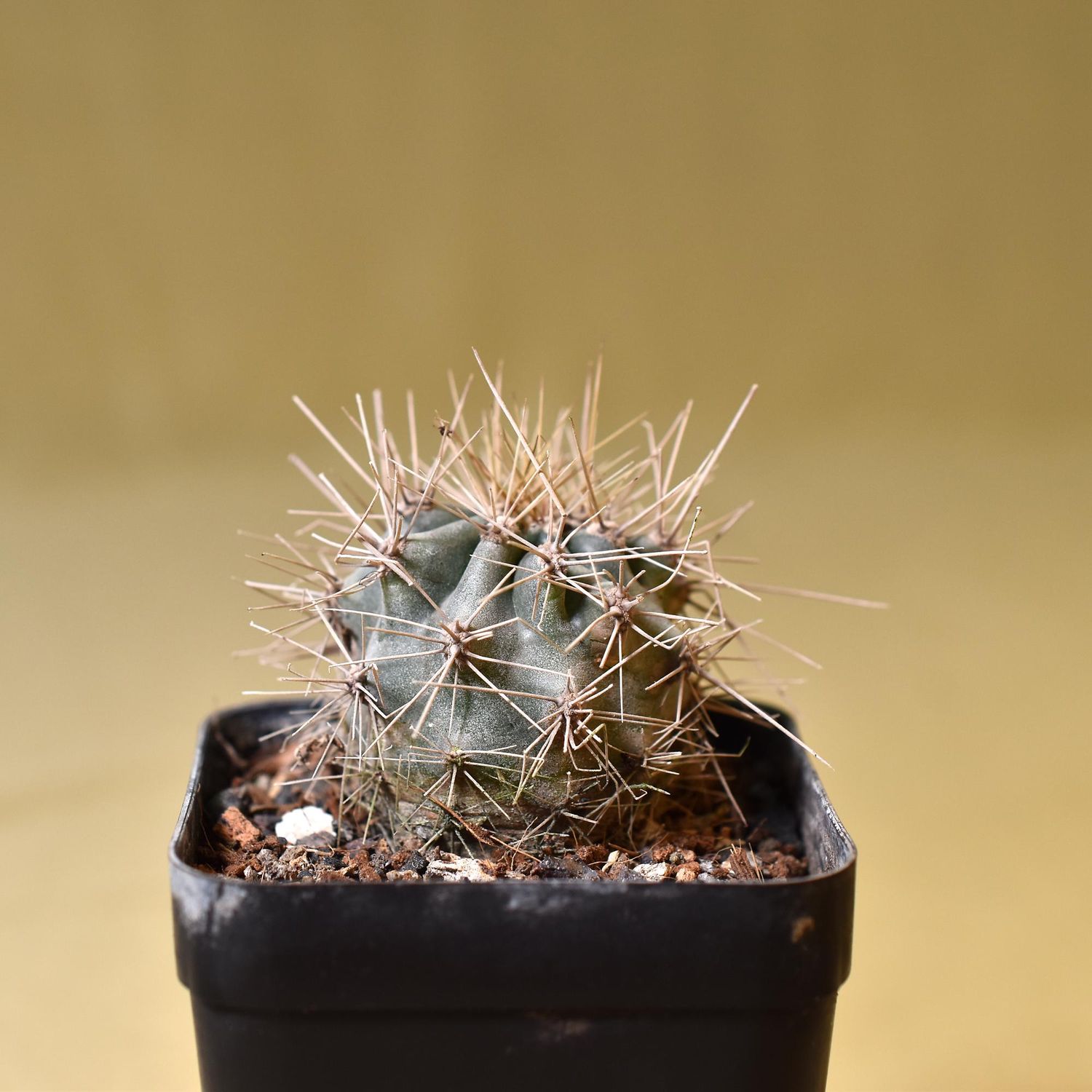
Carnegiea gigantea Giant Saguaro
SKU GS001
₹755.00
Sold out
Sold out
Save this product for later
Customer reviews
Reviews only from verified customers
No reviews yet. You can buy this product and be the first to leave a review.
Carnegiea gigantea Giant Saguaro
Product Details
Desert Monolith: Carnegiea gigantea
Own a living piece of natural history with the iconic Saguaro, the quintessential titan of the American West.
- Origin & History of Name: The genus name Carnegiea was established in 1908 by botanists Britton and Rose to honor Andrew Carnegie, the industrialist and philanthropist whose Carnegie Institution funded significant botanical research in the Sonoran Desert.
The specific epithet gigantea is Latin for "giant," referencing its status as the largest cactus in the United States. To the Indigenous Tohono O’odham people, the plant is considered a sacred relative, historically vital for its fruit and structural ribs. - Morphology: This pachycaul succulent features a glaucous green epidermis supported by 12 to 30 prominent vertical costae (ribs). These ribs function like an accordion, expanding to store water during infrequent rains.
Large, felted areoles line the ridges, producing formidable grey spines that provide shade and deter herbivores. In mature specimens, branching occurs as lateral arms, though young plants remain solitary, slow-growing globes. - Habitat & Origin: Carnegiea gigantea is a wild species endemic to the Sonoran Desert, spanning southern Arizona, southeastern California, and northern Mexico.
Due to its slow growth—often taking 50 to 75 years to grow its first arm—this species is strictly protected by law. Commercial specimens are sustainably sourced only through certified nursery cultivation from seed, ensuring no wild populations are disturbed. - Cultivation Profile:
- Substrate: Requires a strictly mineral, hyper-porous mix. Use a base of coarse river sand, volcanic scoria, and pea gravel; avoid any mix containing moisture-retentive peat or heavy clay common in Indian garden soils.
- Light: Demands unobstructed full sun. In the Indian subcontinent, it thrives in high-heat zones like Rajasthan or the Deccan Plateau but must be protected from prolonged monsoon saturation.
- Water/Dormancy: Highly susceptible to root rot.
Water deeply but infrequently during the summer growing season; maintain absolute dryness during the winter and peak monsoon humidity. Ensure the root zone never sits in standing water.
- Scientific/Historical Anecdote: The Saguaro is a "keystone species" with a fascinating reproductive cycle.
Its waxy white flowers, which bloom only at night, are primarily pollinated by the lesser long-nosed bat. Furthermore, the Gila woodpecker and gilded flicker excavate nesting cavities in the cactus’s flesh; the plant responds by secreting a resin that hardens into a woody, waterproof structure known as a "saguaro boot," which remains intact long after the cactus has died.
You May Also Like

Cactus & Succulent Planting Mix COARSE (aka Cactus Soil Mix or Succulent Soil Mix)
Cactus & Succulent Planting Mix COARSE (aka Cactus Soil Mix or Succulent Soil Mix)
Washed, Free-Draining Mineral Mix for Cactus & Succulents
SKU MNS003
5.0
(1)
₹44.85

FORTIFIED Cactus & Succulent SOIL (FINE)
FORTIFIED Cactus & Succulent SOIL (FINE)
SKU MNS002
5.0
(4)
₹49.85
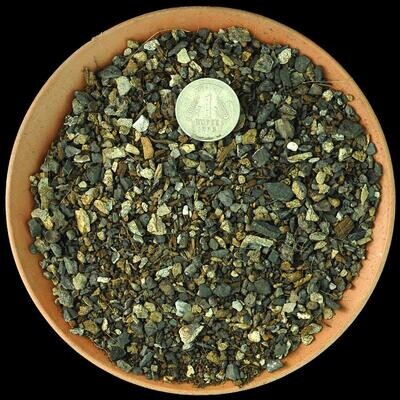
FORTIFIED Cactus & Succulent SOIL (COARSE)
FORTIFIED Cactus & Succulent SOIL (COARSE)
SKU MNS004
5.0
(11)
₹54.85
New
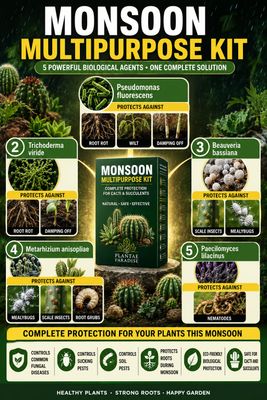
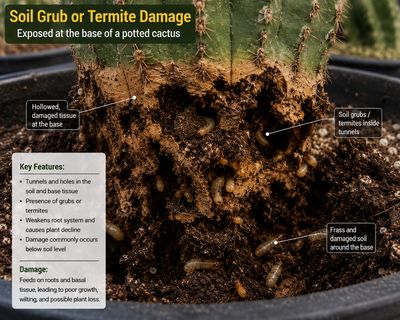
Monsoon Guardian Kit (5 in 1)
Monsoon Guardian Kit (5 in 1)
Complete 5-in-1 biological protection kit for cacti & succulents
SKU MNS024
₹850.00
Display prices in:INR
