
Categories
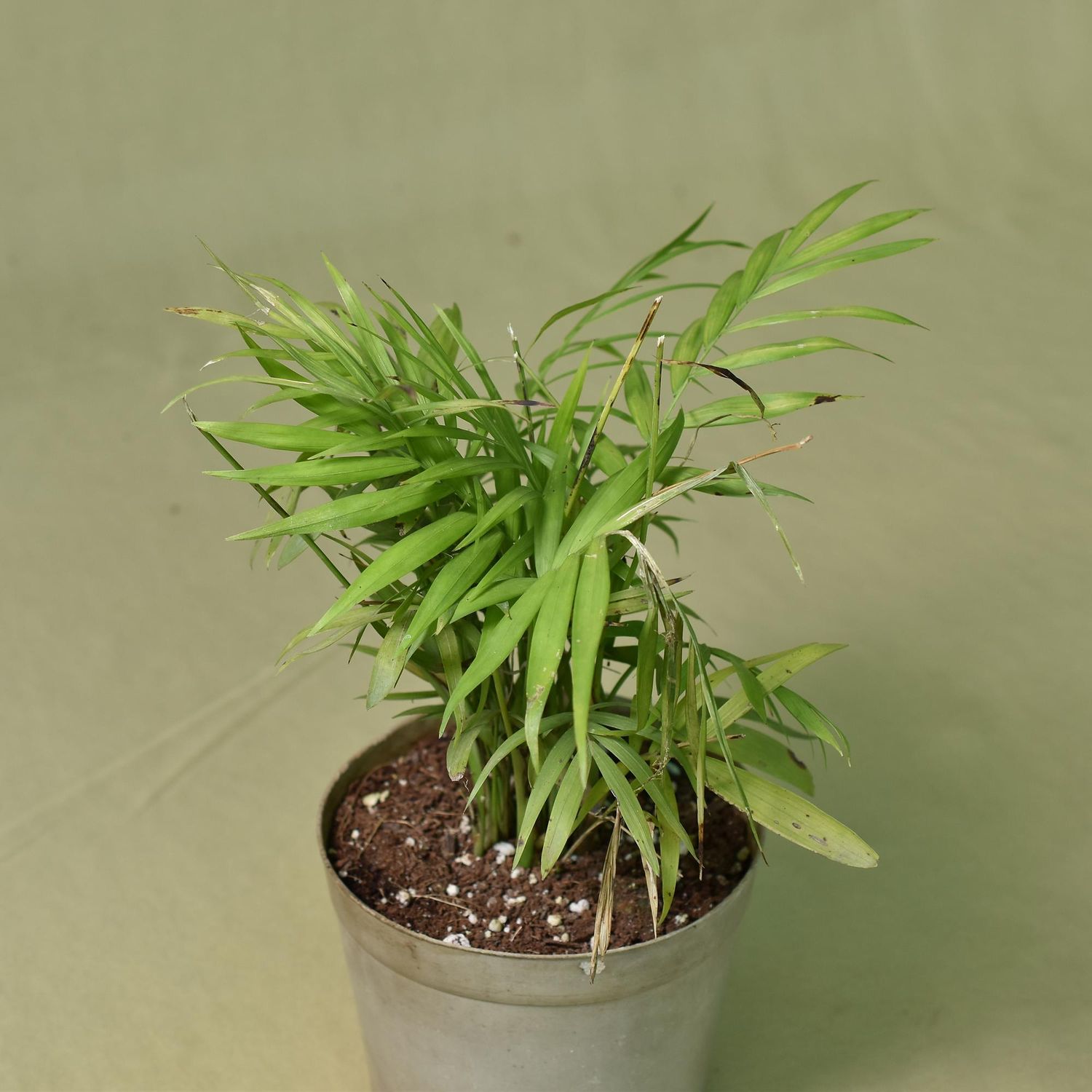
Chamaedorea elegans
SKU GG009
₹148.75
On Sale
List Price ₹175.00 Save 15%
A timeless indoor palm celebrated for elegance and resilience.
In stock: 5 available
1
Save this product for later
Customer reviews
Reviews only from verified customers
No reviews yet. You can buy this product and be the first to leave a review.
Chamaedorea elegans
Product Details
The Regal Roommate: Chamaedorea elegans
A Victorian-era classic prized for its architectural elegance and legendary resilience in low-light interiors.
- Origin & History of Name: The genus name Chamaedorea is derived from the Greek words chamai (on the ground) and dorea (gift), referring to the easily reachable fruits of these low-growing palms.
The specific epithet elegans is Latin for "elegant" or "select." It gained global fame as the "Parlor Palm" during the Victorian era, as it was one of the few plants capable of surviving the dark, drafty, and coal-smoke-filled parlors of 19th-century England. - Morphology: This palm features a slender, cane-like green stem (stipe) supporting pinnate fronds.
Unlike many palms, its pinnules (leaflets) are remarkably soft and papery. It is dioecious, meaning individual plants are either male or female; however, in a domestic setting, it is recognized for its inflorescence—small, yellow, mimosa-like flowers that appear on branched stalks, even when the plant is young. - Habitat & Origin: Chamaedorea elegans is a wild species native to the dense rainforests of Southern Mexico and Guatemala.
It grows in the shaded understory, which dictates its high tolerance for low light. Our specimens are sustainably sourced through nursery cultivation to prevent the depletion of wild populations in the Mesoamerican rainforest. - Cultivation Profile:
- Substrate: Use a well-draining, airy mix consisting of 50% coco-peat, 25% perlite or coarse river sand, and 25% organic compost. Avoid heavy clay soils common in the Indian plains.
- Light: Thrives in bright, indirect light. In India, a North-facing window is ideal; avoid direct afternoon sun, which will scorch the delicate foliage.
- Water/Dormancy: Keep the medium consistently moist but not waterlogged.
During the Indian monsoon and winter, reduce watering frequency significantly to prevent root rot. Mist leaves frequently during dry summer months to simulate jungle humidity.
- Scientific/Historical Anecdote: Despite its delicate appearance, this plant is a biological survivor. In the 1980s, NASA’s Clean Air Study identified Chamaedorea elegans as one of the top plants for removing formaldehyde and benzene from indoor air, proving that its Victorian popularity was backed by functional, life-sustaining science.
You May Also Like
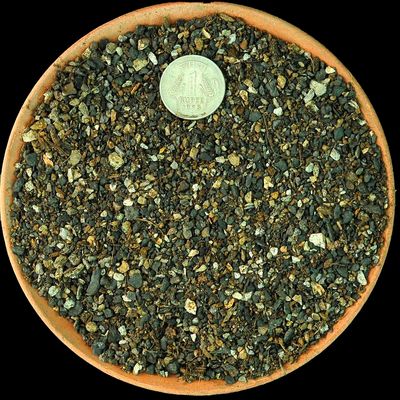
FORTIFIED Cactus & Succulent SOIL (FINE)
FORTIFIED Cactus & Succulent SOIL (FINE)
SKU MNS002
5.0
(4)
₹49.85
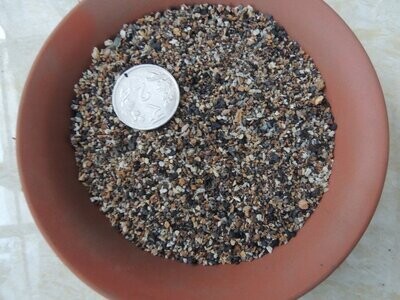
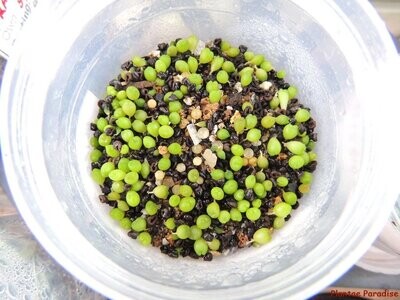
Cactus Seed Planting Mix
Cactus Seed Planting Mix
Sterile, Fine-Grain Media for Cactus & Succulent Seeds
SKU MNS005
₹74.85
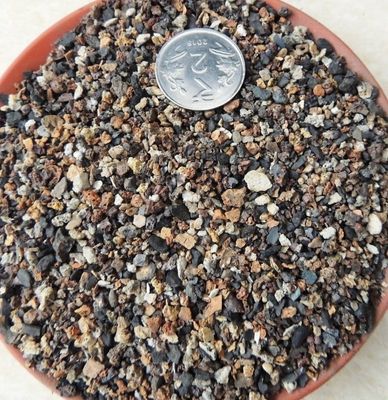
Cactus & Succulent Planting Mix FINE (aka Cactus Soil Mix or Succulent Soil Mix)
Cactus & Succulent Planting Mix FINE (aka Cactus Soil Mix or Succulent Soil Mix)
Fine-Grain Potting Mix for Cactus & Succulent Roots
SKU MNS001
5.0
(3)
₹39.85
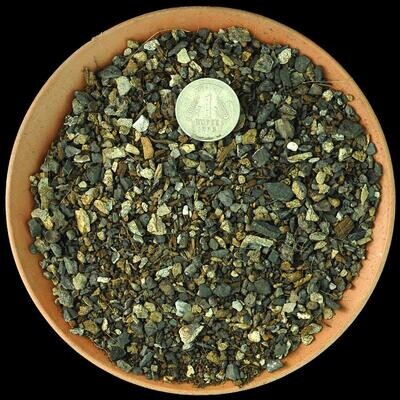
FORTIFIED Cactus & Succulent SOIL (COARSE)
FORTIFIED Cactus & Succulent SOIL (COARSE)
SKU MNS004
5.0
(11)
₹54.85
Display prices in:INR
