
Categories
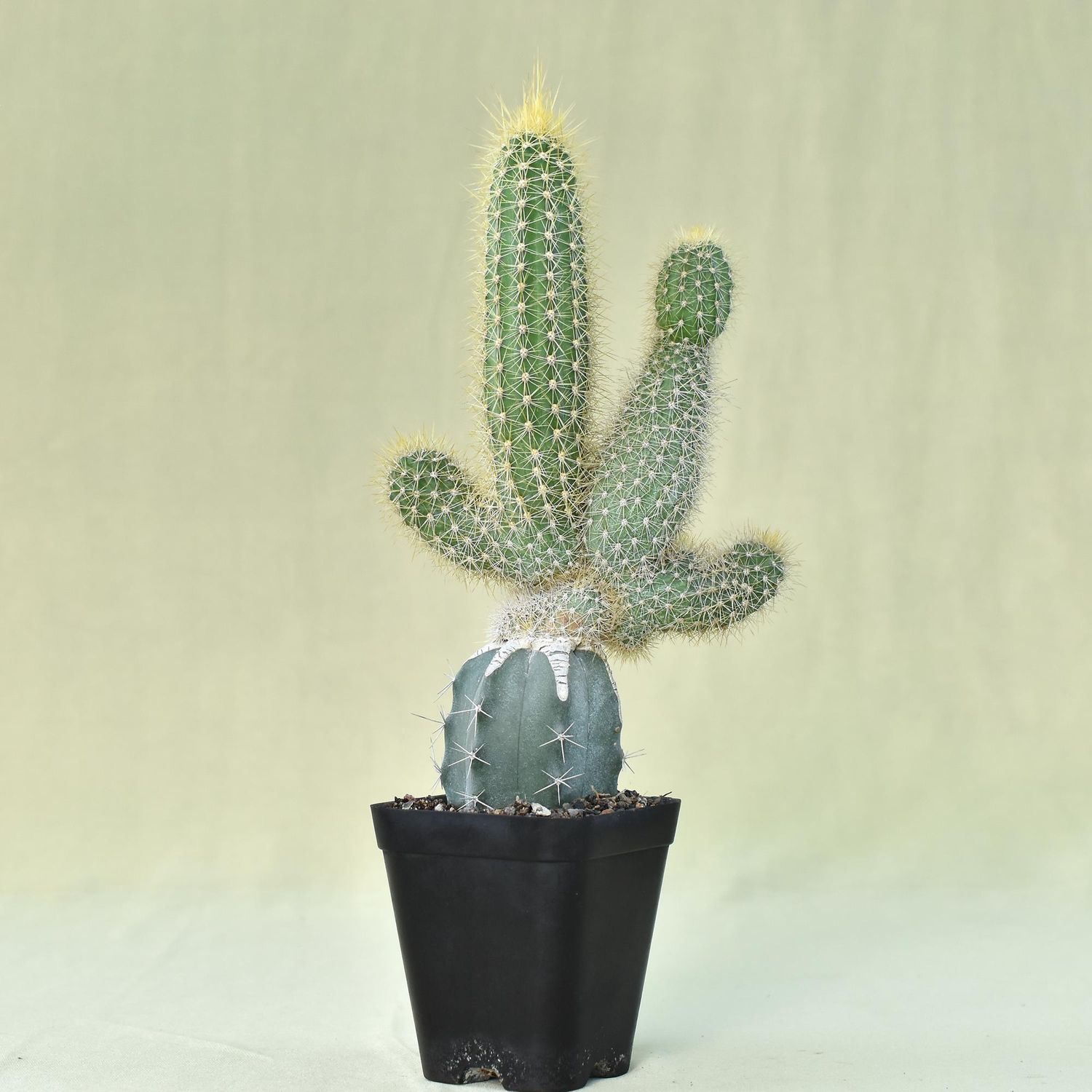
Cleistocactus Parapetiensis F. Cristata
SKU CL008B
₹875.00
Flowing emerald crests wrapped in glowing golden bristles.
In stock: 1 available
1
Save this product for later
Customer reviews
Reviews only from verified customers
No reviews yet. You can buy this product and be the first to leave a review.
Cleistocactus Parapetiensis F. Cristata
Product Details
The Golden Brain: Cleistocactus parapetiensis f. cristata A living sculpture featuring undulating emerald fans and golden bristles, this rare crested form transforms the chaotic energy of nature into a sophisticated, architectural masterpiece.
1. Origin & History of Name The genus name Cleistocactus is derived from the Greek kleistos ("closed"), referring to the flowers which remain nearly shut to protect reproductive organs.
2. Morphology This specimen exhibits fasciation, a mutation where the apical meristem (growth point) elongates into a line rather than a single point.
3. Habitat & Origin While the standard Cleistocactus parapetiensis is endemic to the dry river basins of Bolivia, this crested form (f. cristata) is a nursery cultivar. It does not occur in stable populations in the wild but is propagated vegetatively by horticulturists to preserve its mutated beauty. It is a sustainable choice for collectors, as it relieves pressure on wild populations.
4. Cultivation Profile
- Substrate: strictly mineral-based. Use a mix of 70% drainage material (pumice, perlite, or grit) and 30% organic matter. In the Indian context, avoid heavy "red soil" or clay to prevent root rot during humidity spikes.
- Light: Needs bright, filtered light. In Indian summers, provide protection (green net) from the harsh midday sun to prevent scorching the crest's tender edges.
- Water/Dormancy: Adopt a "soak and dry" method. Water thoroughly only when the substrate is bone dry.
During the Indian monsoon and winter (dormancy phase), reduce watering significantly to avoid fungal issues in the dense folds.
5. Scientific/Historical Anecdote The "closed" flowers of the genus Cleistocactus are a brilliant example of co-evolution. They are not actually sealed; rather, they are tubular and narrow, specifically adapted to be pollinated by hummingbirds with long, slender beaks.
You May Also Like
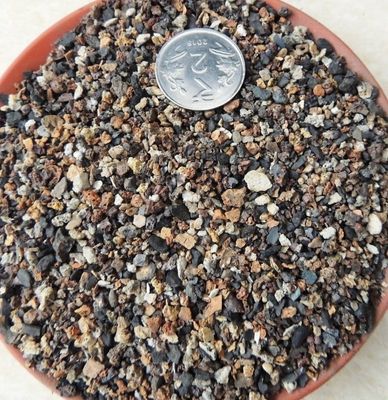
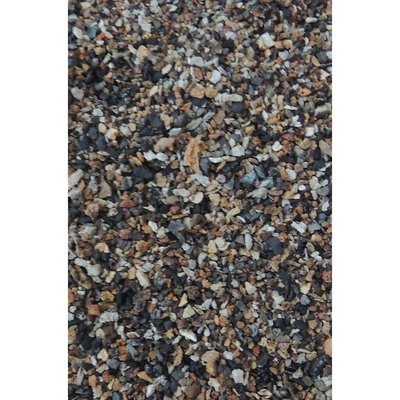
Cactus & Succulent Planting Mix FINE (aka Cactus Soil Mix or Succulent Soil Mix)
Cactus & Succulent Planting Mix FINE (aka Cactus Soil Mix or Succulent Soil Mix)
Fine-Grain Potting Mix for Cactus & Succulent Roots
SKU MNS001
5.0
(3)
₹39.85
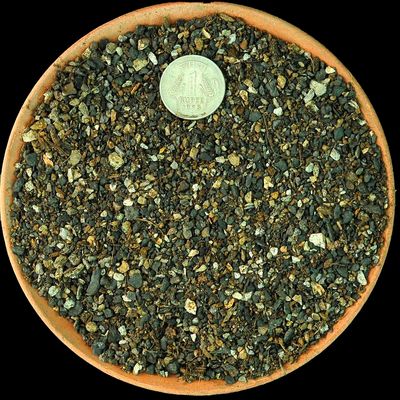
FORTIFIED Cactus & Succulent SOIL (FINE)
FORTIFIED Cactus & Succulent SOIL (FINE)
SKU MNS002
5.0
(4)
₹49.85
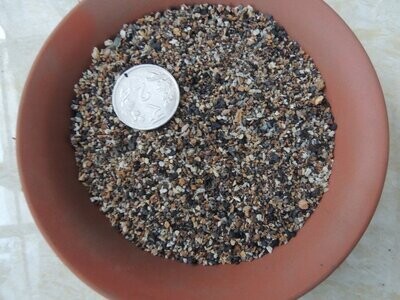
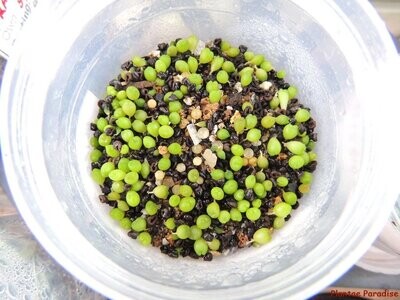
Cactus Seed Planting Mix
Cactus Seed Planting Mix
Sterile, Fine-Grain Media for Cactus & Succulent Seeds
SKU MNS005
₹74.85
New

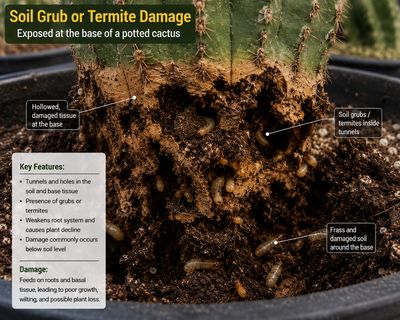
Monsoon Guardian Kit (5 in 1)
Monsoon Guardian Kit (5 in 1)
Complete 5-in-1 biological protection kit for cacti & succulents
SKU MNS024
₹850.00
Display prices in:INR
