
Categories
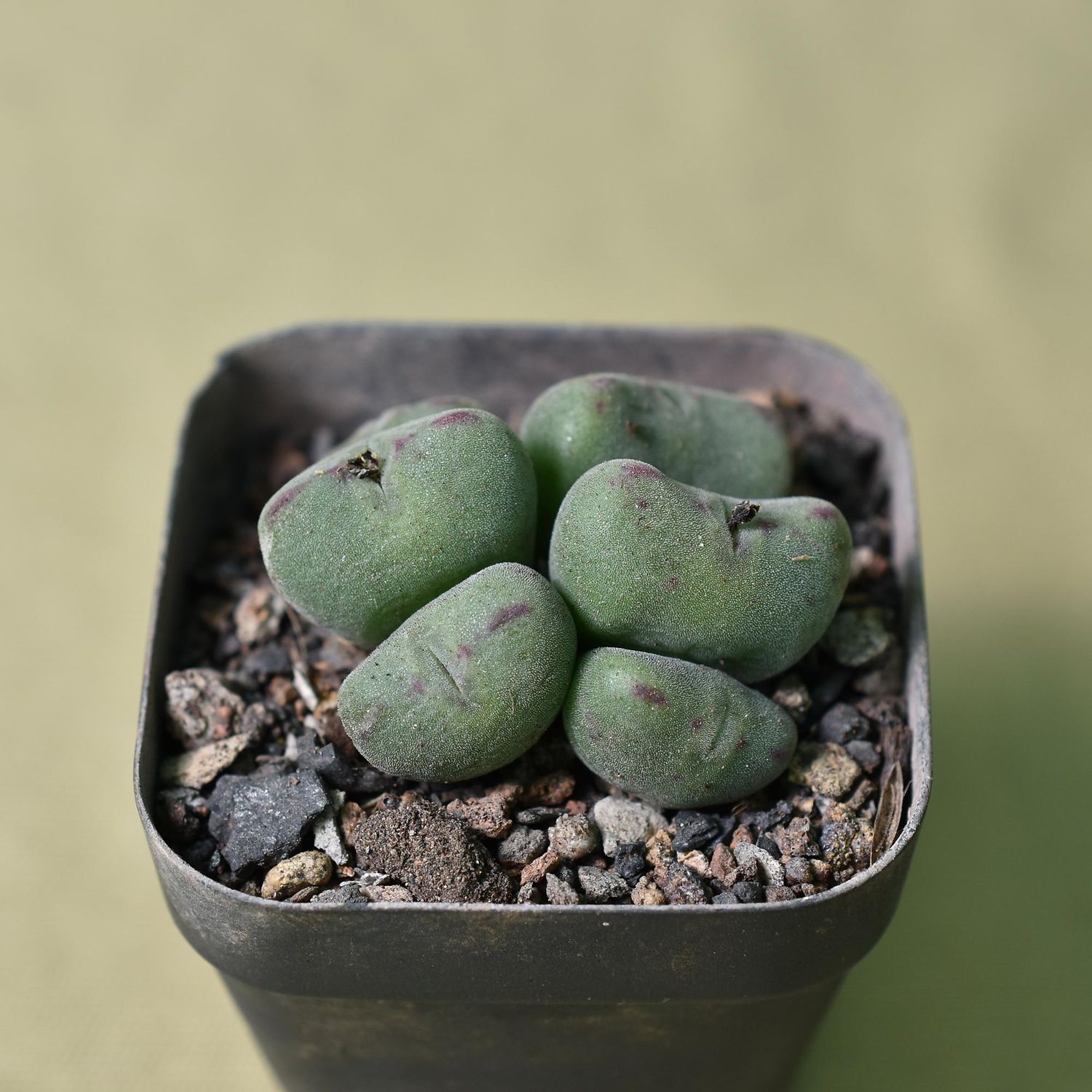
Conophytum velutinum
SKU MM008
₹450.00
Sold out
Sold out
Save this product for later
Customer reviews
Reviews only from verified customers
No reviews yet. You can buy this product and be the first to leave a review.
Conophytum velutinum
Product Details
Velvet Living Stones: Conophytum velutinum
A rare, soft-textured succulent gem that transforms from a dormant button into a vibrant flowering spectacle.
- Origin & History of Name: The genus name Conophytum is derived from the Greek konos (cone) and phyton (plant), describing the fused leaf structure. The specific epithet velutinum comes from the Latin velutinus, meaning "velvety," referring to the fine, puberulous hairs covering the plant’s surface.
It was formally described by botanist Nicholas Edward Brown in the early 20th century. - Morphology: This species consists of small, heart-shaped bilobed bodies formed by two fused leaves.
The epidermis is distinctively grayish-green and covered in minute, soft hairs that provide a matte, velvety texture. Unlike other mesembs, the fissure at the top is where the nocturnal or diurnal flowers emerge, while the old leaves dry into a papery sheath to protect the new plant body during dormancy. - Habitat & Origin: This is a wild species native to the Namaqualand region of South Africa, specifically occurring in the rocky crevices of the Kamiesberg range. These plants are slow-growing and sourced from ethically propagated nursery stock to ensure the conservation of wild populations in their fragile desert habitat.
- Cultivation Profile:
- Substrate: Use a strictly mineral-based mix (70% pumice or grit, 30% organic matter) to prevent moisture retention around the base.
- Light: Requires bright, indirect light; in the Indian context, protect from harsh afternoon sun (above 35°C) to prevent scorching the sensitive epidermis.
- Water/Dormancy: Strictly winter-growers. Keep completely dry during the Indian summer (dormancy) when the plant retreats into its sheath. Begin light watering in late autumn as temperatures drop.
- Scientific/Historical Anecdote: Conophytum velutinum belongs to a group of plants known as "mimicry plants." They have evolved to look like the quartz pebbles surrounding them in the wild to avoid being eaten by thirsty herbivores, a survival strategy known as crypsis.
You May Also Like
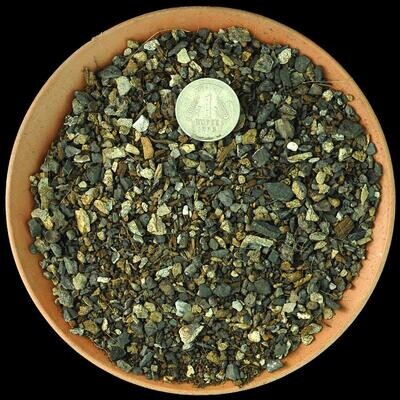
FORTIFIED Cactus & Succulent SOIL (COARSE)
FORTIFIED Cactus & Succulent SOIL (COARSE)
SKU MNS004
5.0
(11)
₹54.85
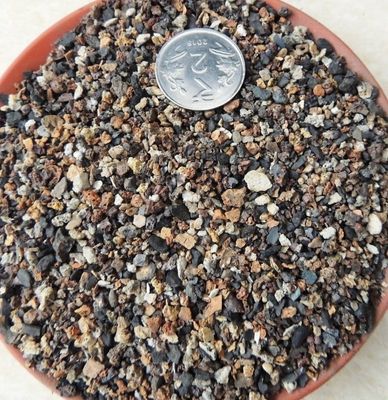
Cactus & Succulent Planting Mix FINE (aka Cactus Soil Mix or Succulent Soil Mix)
Cactus & Succulent Planting Mix FINE (aka Cactus Soil Mix or Succulent Soil Mix)
Fine-Grain Potting Mix for Cactus & Succulent Roots
SKU MNS001
5.0
(3)
₹39.85

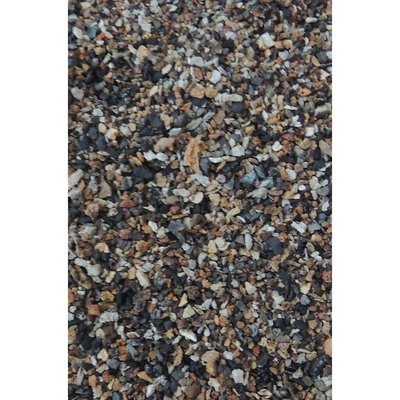
Cactus & Succulent Planting Mix COARSE (aka Cactus Soil Mix or Succulent Soil Mix)
Cactus & Succulent Planting Mix COARSE (aka Cactus Soil Mix or Succulent Soil Mix)
Washed, Free-Draining Mineral Mix for Cactus & Succulents
SKU MNS003
5.0
(1)
₹44.85
New
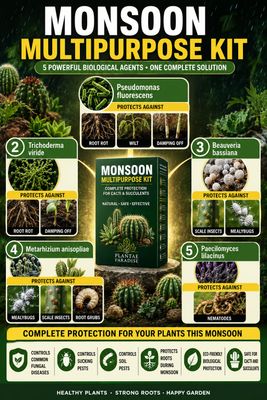
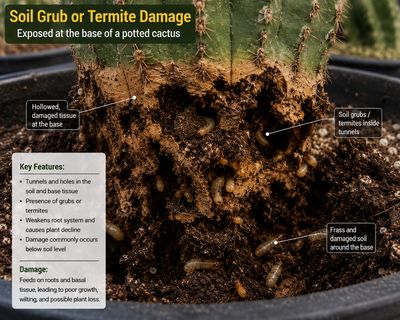
Monsoon Guardian Kit (5 in 1)
Monsoon Guardian Kit (5 in 1)
Complete 5-in-1 biological protection kit for cacti & succulents
SKU MNS024
₹850.00
Display prices in:INR
