
Categories
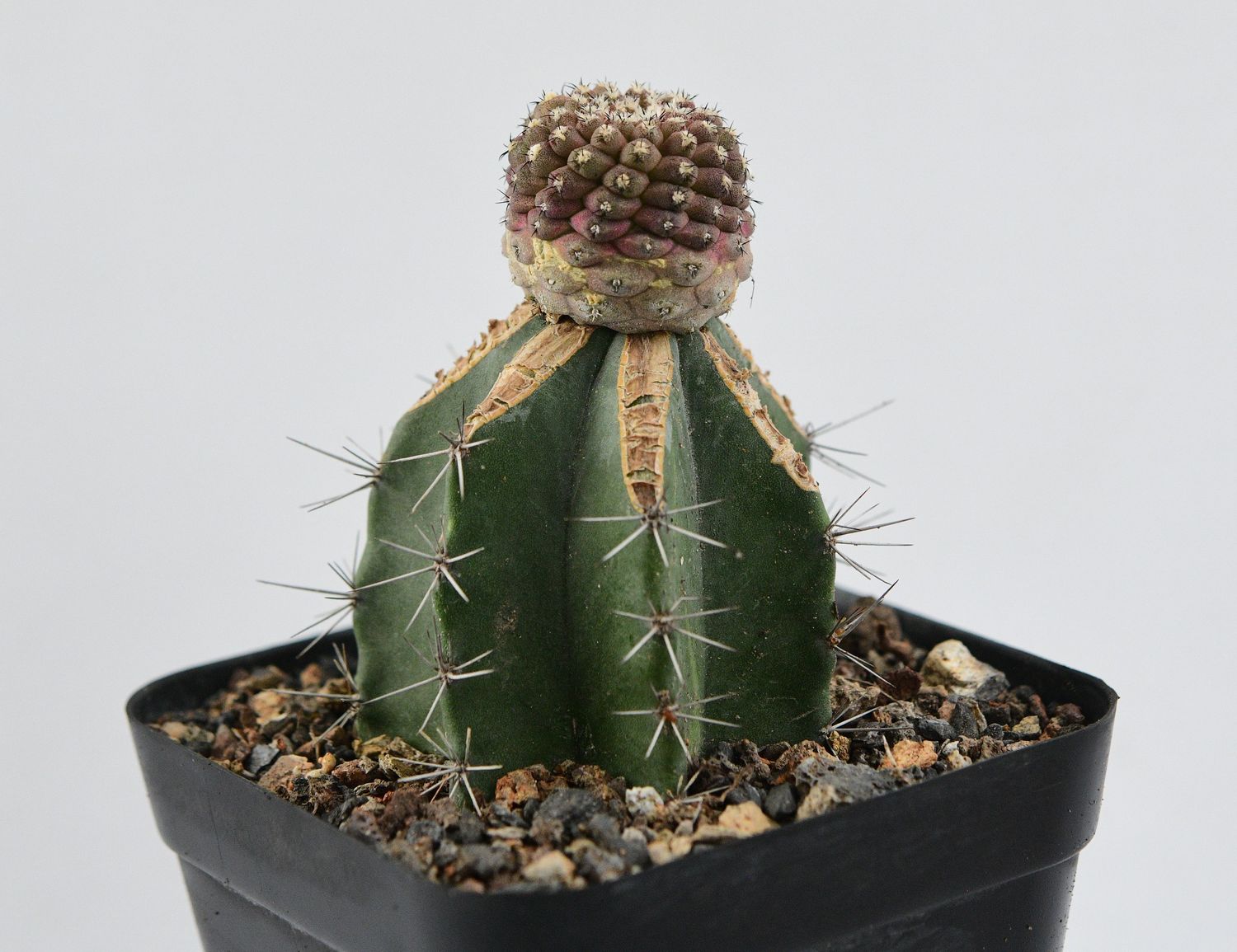
Copiapoa Hypogaea Var. Barquitensis Lizard Skin Cactus
SKU COP02
₹360.00
In stock: 1 available
1
Save this product for later
Customer reviews
Reviews only from verified customers
No reviews yet. You can buy this product and be the first to leave a review.
Copiapoa Hypogaea Var. Barquitensis Lizard Skin Cactus
Product Details
Copiapoa hypogaea var. barquitensis "Lizard Skin" Cactus: The Unique and Textured Desert Treasure
1. Origin of Name:
The genus "Copiapoa" is named after the town of Copiapó in northern Chile, the region where many species are native. The species "hypogaea" is Latin for "underground" or "buried," referring to its low-growing, often partially subterranean form. The variety "barquitensis" indicates its specific association with the Barquitera region in Chile. Nicknamed the "Lizard Skin" cactus, its common name derives from the plant’s distinctive, rugged, and textured surface reminiscent of a lizard's rough, scaled skin. These names highlight both its geographic origin and its remarkable, textured appearance.
2. Origin of Plant:
Copiapoa hypogaea var. barquitensis is native to the arid coastal regions of northern Chile, particularly around the Barquitera desert. It is well-adapted to the extreme desert conditions—intense sunlight, minimal water, and rocky, gravelly soils. Its discovery was part of botanical explorations of South American deserts, where the plant’s unique, surface-textured appearance stood out as a symbol of adaptation to harsh environments.
3. Description:
This low-growing, globular cactus features a highly textured, rough surface that resembles lizard scales, earning it the nickname "Lizard Skin." The plant typically measures about 4-8 inches across and stays close to the ground, with some specimens rarely exceeding a foot in height. Its coloration ranges from bluish-green to gray-green, and the surface is covered with small, tubercular, scale-like structures. It often produces small, yellow or white flowers in summer—sometimes hidden among the scales—adding subtle beauty to its rugged appearance. Its unique, scaly texture and compact form make it a fascinating collector’s item.
4. Conservation Status:
While not critically endangered, this subspecies and variety are quite rare in the wild due to their limited distribution and habitat sensitivity. Habitat disturbance from mining and over-collection pose threats. Supporting responsible cultivation and propagation helps preserve its natural habitat and ensures it remains a valued part of desert biodiversity.
5. Care:
To care for Copiapoa hypogaea var. barquitensis:
- Watering: Water very sparingly, allowing the soil to dry out completely between watering. Reduce or cease watering during winter months.
- Soil: Use a very well-draining cactus or mineral-based soil mix, with sand, gravel, or pumice.
- Light: Needs full sun or bright, direct sunlight for at least 4-6 hours daily to maintain its rugged texture and health.
- Temperature: Prefers warm conditions between 65°F (18°C) and 85°F (29°C). Protect from frost—bring indoors or provide insulation in cold climates.
- Tips: Fertilize lightly during the active growing season with a cactus fertilizer. Be vigilant for pests like mealybugs or scale insects.
The Copiapoa hypogaea var. barquitensis "Lizard Skin" cactus is a striking example of desert adaptation and resilience, with its remarkable textured surface and compact form. Its unusual appearance and native origin make it a distinctive and fascinating addition to any cactus collection or succulent garden, celebrating the rugged beauty of the Chilean deserts.
You May Also Like
New
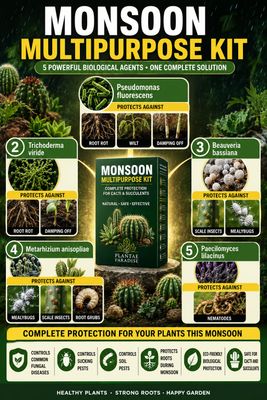
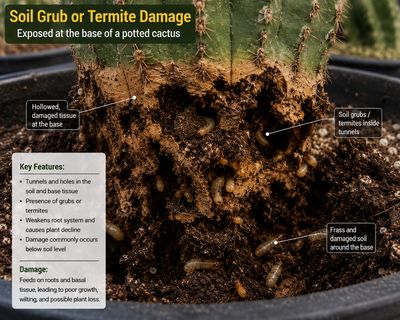
Monsoon Guardian Kit (5 in 1)
Monsoon Guardian Kit (5 in 1)
Complete 5-in-1 biological protection kit for cacti & succulents
SKU MNS024
₹850.00
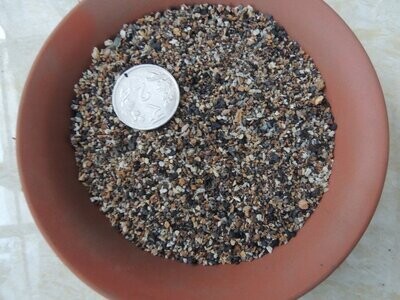
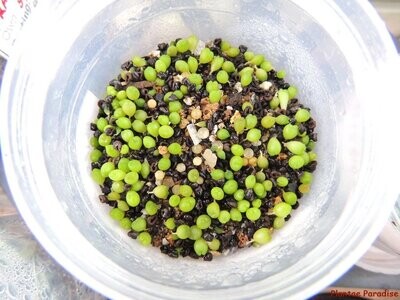
Cactus Seed Planting Mix
Cactus Seed Planting Mix
Sterile, Fine-Grain Media for Cactus & Succulent Seeds
SKU MNS005
₹74.85
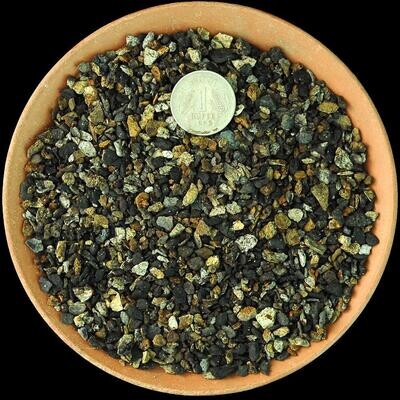
Cactus & Succulent Planting Mix COARSE (aka Cactus Soil Mix or Succulent Soil Mix)
Cactus & Succulent Planting Mix COARSE (aka Cactus Soil Mix or Succulent Soil Mix)
Washed, Free-Draining Mineral Mix for Cactus & Succulents
SKU MNS003
5.0
(1)
₹44.85
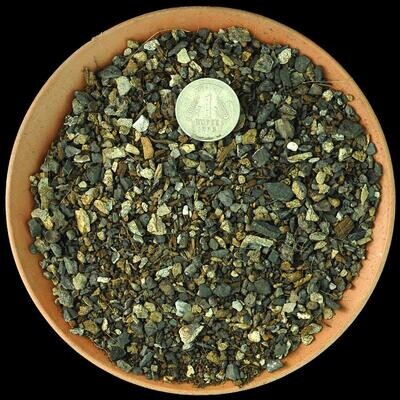
FORTIFIED Cactus & Succulent SOIL (COARSE)
FORTIFIED Cactus & Succulent SOIL (COARSE)
SKU MNS004
5.0
(11)
₹54.85
Display prices in:INR
