
Categories
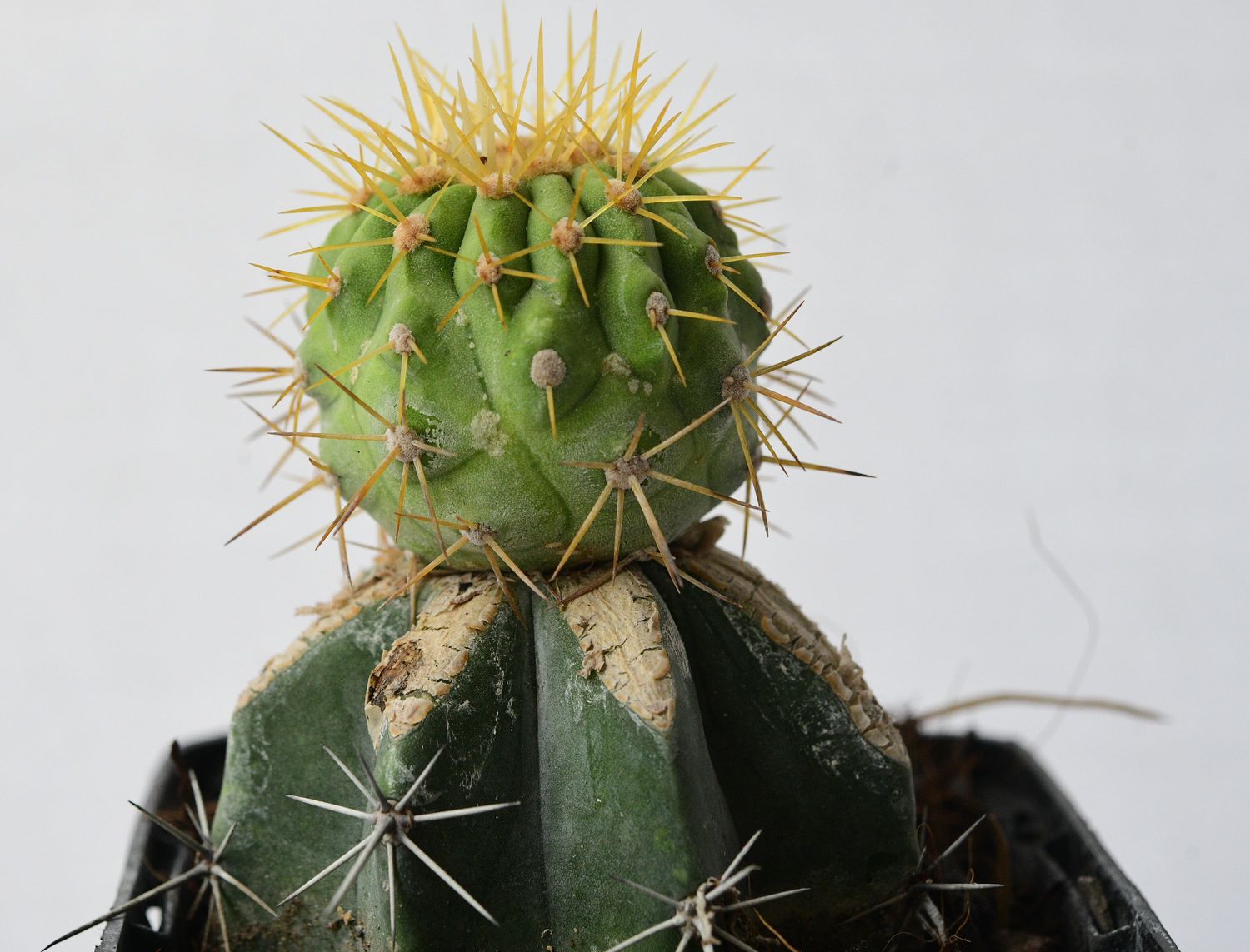
Copiapoa haseltoniana
SKU COP03
₹950.00
In stock: 1 available
1
Save this product for later
Customer reviews
Reviews only from verified customers
No reviews yet. You can buy this product and be the first to leave a review.
Copiapoa haseltoniana
Product Details
The Golden Giant: Copiapoa haseltoniana
A desert masterpiece prized for its striking orange wool and ancient, slow-growing majesty.
- Origin & History of Name: The genus Copiapoa is named after the province of Copiapó in northern Chile. This specific species honors Guy C. Haselton, a prominent American succulent enthusiast and editor of the Cactus and Succulent Journal in the mid-20th century. It was formally described by Curt Backeberg in the 1950s during his extensive documentation of South American cacti.
- Morphology: This species is distinguished by its glaucous epidermis (a waxy, blue-grey skin) that protects it from intense sun. It features prominent costae (ribs) topped with dense, copper-to-orange apical wool. Unlike many other cacti, its yellow flowers emerge directly from this wooly crown, creating a vibrant contrast against the dark, heavy spines.
- Habitat & Origin: This is a wild species native to the extremely arid coastal cliffs of Paposo, Chile, within the Atacama Desert.
These plants are slow-growing "survivors" that primarily hydrate via coastal fogs. Our specimens are nursery-grown from seed to ensure the preservation of wild populations and adhere to sustainable trade practices. - Cultivation Profile:
- Substrate: Use a strictly mineral-based mix. In the Indian climate, a blend of 70% inorganic material (pumice, perlite, or crushed brick) and 30% organic matter is essential to prevent root rot.
- Light: Requires full sun to very bright indirect light. In peak Indian summers (April–June), provide 30% shade cloth to prevent epidermal scorching.
- Water/Dormancy: Water deeply only when the medium is bone-dry. During the humid Monsoon and peak Winter, withhold water almost entirely as the plant enters dormancy.
- Scientific/Historical Anecdote: Copiapoa haseltoniana is a biological marvel of "fog-drinking."
In its native Atacama habitat, it can survive for years without a single drop of rain. It has evolved to utilize its dense wool and spines to trap moisture from the Camanchaca (coastal fog), funneling microscopic droplets down to its root system.
You May Also Like

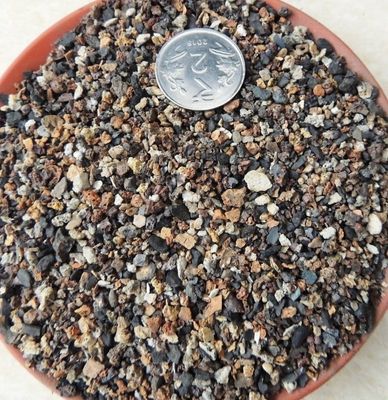
Cactus & Succulent Planting Mix COARSE (aka Cactus Soil Mix or Succulent Soil Mix)
Cactus & Succulent Planting Mix COARSE (aka Cactus Soil Mix or Succulent Soil Mix)
Washed, Free-Draining Mineral Mix for Cactus & Succulents
SKU MNS003
5.0
(1)
₹44.85
Cactus & Succulent Planting Mix FINE (aka Cactus Soil Mix or Succulent Soil Mix)
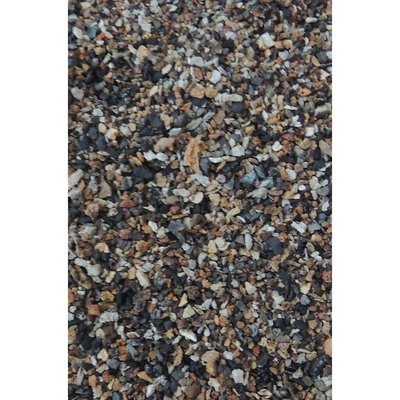
Cactus & Succulent Planting Mix FINE (aka Cactus Soil Mix or Succulent Soil Mix)
Fine-Grain Potting Mix for Cactus & Succulent Roots
SKU MNS001
5.0
(3)
₹39.85
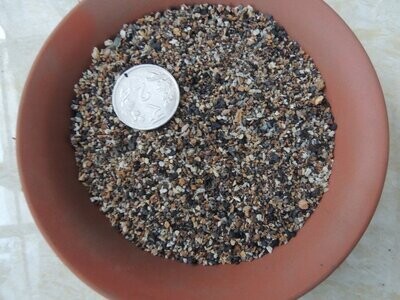
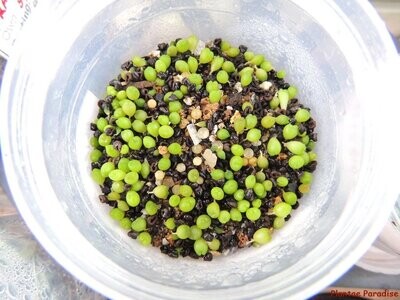
Cactus Seed Planting Mix
Cactus Seed Planting Mix
Sterile, Fine-Grain Media for Cactus & Succulent Seeds
SKU MNS005
₹74.85
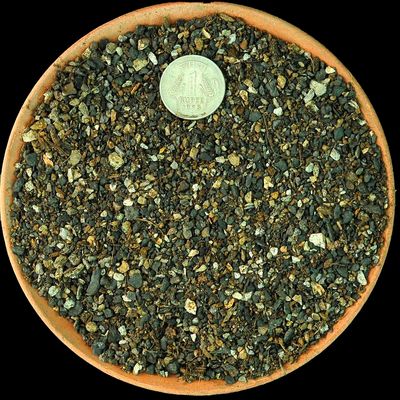
FORTIFIED Cactus & Succulent SOIL (FINE)
FORTIFIED Cactus & Succulent SOIL (FINE)
SKU MNS002
5.0
(4)
₹49.85
Display prices in:INR
