
Categories
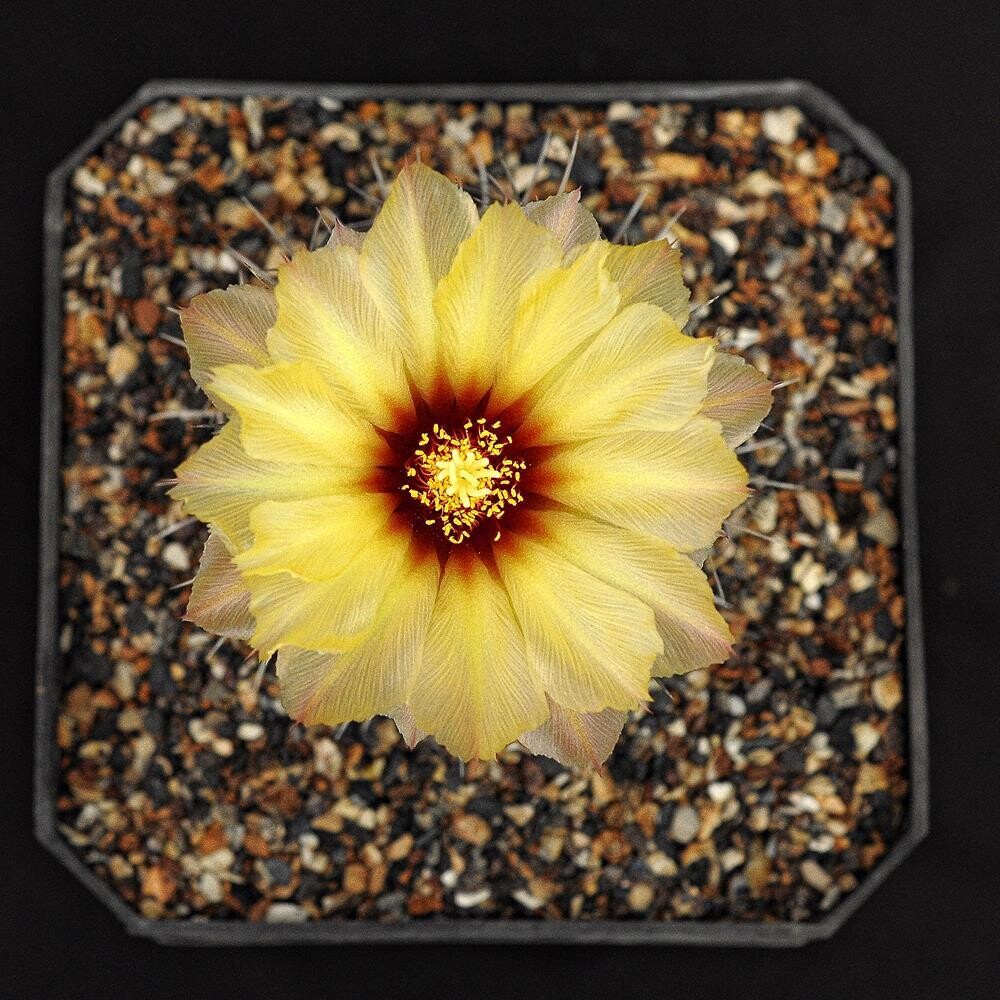
Coryphantha Borwigii (Syn: Coryphantha Salinensis )
SKU COR008
₹450.00
In stock: 1 available
1
Save this product for later
Customer reviews
Reviews only from verified customers
No reviews yet. You can buy this product and be the first to leave a review.
Coryphantha Borwigii (Syn: Coryphantha Salinensis )
Product Details
Seed grown
Name: Coryphantha borwigii (Synonym: Coryphantha salinensis)
Origin: Native to the saline and arid regions of northern Mexico, particularly in the states of Coahuila and Nuevo León, Coryphantha borwigii is well adapted to survive in harsh, salty environments with minimal rainfall.
Origin of Name: The genus "Coryphantha" is derived from Greek roots meaning "kernel" or "seed" (cory), and "flower" (phanth), reflecting the seed-embedded flowers. The species name "borwigii" honors the collector or botanist associated with its discovery. The synonym "salinensis" indicates its saline habitat.
Conservation Status: Not currently listed as threatened, but habitat destruction and overcollection threaten some populations. Cultivation from responsible sources helps preserve wild specimens.
Description:
Coryphantha borwigii is a small to medium-sized, globular cactus that forms clusters over time. Its body is covered with prominent, greyish-green to bluish-green tubercles topped by small, white, woolly areoles. The spines are usually short, stout, and radiate outward, giving the plant a somewhat hairy appearance. During the blooming season, it produces large, bright yellow or sometimes reddish, funnel-shaped flowers that emerge from the top of the stem, often followed by attractive fruit.
Care Instructions:
- Light: Prefers full sun to partial shade; bright light encourages healthy growth and flowering.
- Water: Needs minimal watering; allow the soil to dry out completely between waterings. Reduce watering during winter dormancy.
- Soil: Requires a well-draining, mineral-rich soil, ideally with added sand or grit to mimic its saline, rocky habitat.
- Temperature: Thrives in warm climates between 70-85°F (21-29°C). Protect from frost and cold temperatures; it is damage-prone below 50°F (10°C).
- Additional Tips: Handle with care due to spines. Regular repotting and careful watering promote healthy growth, especially when grown in pots.
Uses & Significance:
Coryphantha borwigii is prized among cactus enthusiasts for its compact form, attractive flowers, and adaptability to challenging environments. Its striking appearance makes it a unique centerpiece for desert and xeriscape gardens, and it plays a crucial role in conservation efforts for this rare desert species.
You May Also Like
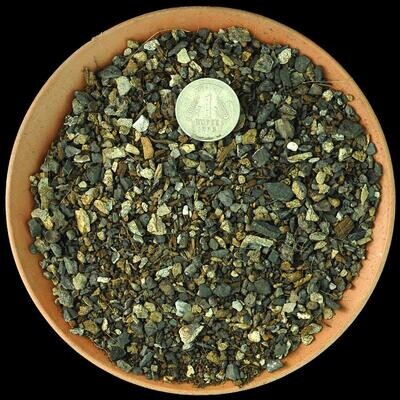
FORTIFIED Cactus & Succulent SOIL (COARSE)
FORTIFIED Cactus & Succulent SOIL (COARSE)
SKU MNS004
5.0
(8)
₹50.51

Cactus Seed Planting Mix
Cactus Seed Planting Mix
Sterile, Fine-Grain Media for Cactus & Succulent Seeds
SKU MNS005
₹70.51

FORTIFIED Cactus & Succulent SOIL (FINE)
FORTIFIED Cactus & Succulent SOIL (FINE)
SKU MNS002
5.0
(3)
₹45.51
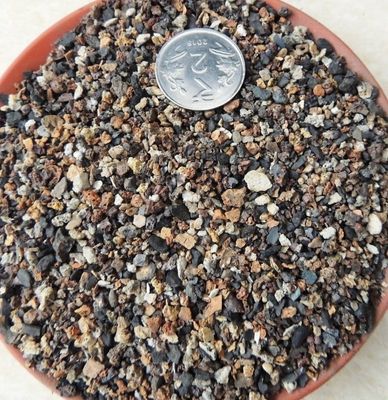
Cactus & Succulent Planting Mix FINE (aka Cactus Soil Mix or Succulent Soil Mix)
Cactus & Succulent Planting Mix FINE (aka Cactus Soil Mix or Succulent Soil Mix)
Fine-Grain Potting Mix for Cactus & Succulent Roots
SKU MNS001
5.0
(3)
₹35.51
Display prices in:INR
