
Categories
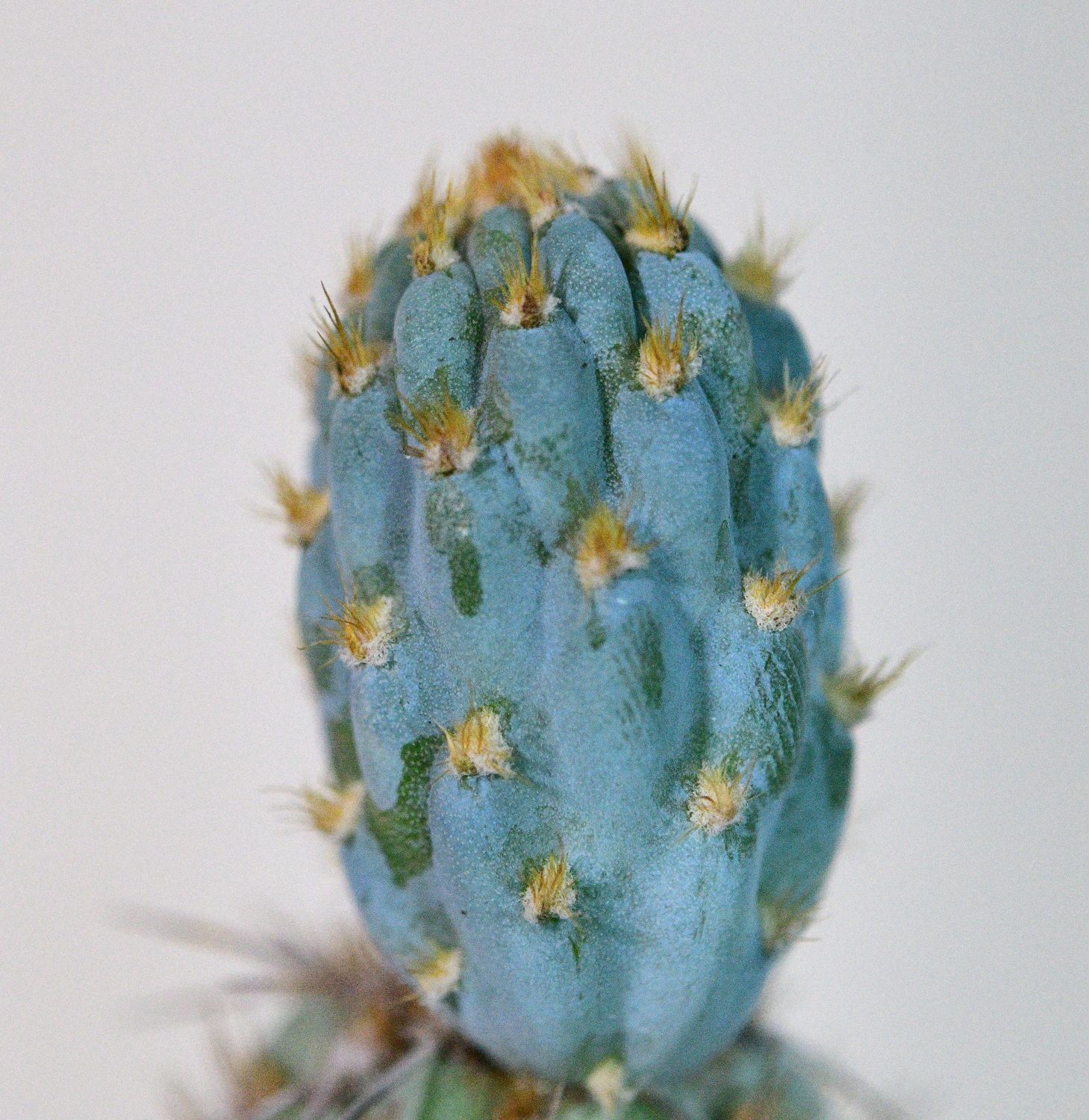
Cylindropuntia miquelii
SKU TEP004
₹350.00
Sold out
Sold out
Save this product for later
Customer reviews
Reviews only from verified customers
No reviews yet. You can buy this product and be the first to leave a review.
Cylindropuntia miquelii
Product Details
Origin of Name
Cylindropuntia miquelii, commonly known as the Miquel's Cholla, is named in honor of Friedrich Anton Wilhelm Miquel, a distinguished 19th-century Dutch botanist who made significant contributions to the study of botany. The genus name "Cylindropuntia" is derived from the cylindrical shape of the plant's joints or segments and the Latin word "punctia," referring to the pointed spines. This naming convention honors the contributions of botanists to the classification and understanding of plant species, while also describing key features of the plant.
Technical Description of Plant
Cylindropuntia miquelii is a distinctive cactus with a shrubby to tree-like growth habit, reaching heights of up to 6-10 feet. It is characterized by its segmented, cylindrical stems that branch extensively to form dense clumps or stands. The surface of the stems is covered with tubercles from which emerge clusters of spines. These spines can be yellow to reddish-brown, offering a stark contrast against the green of the stems. Cylindropuntia miquelii blooms in late spring to early summer, producing vibrant yellow flowers that add a splash of color to the arid landscapes it inhabits. The flowers are followed by dry, spiny fruits that persist on the plant.
Origin of Plant
Cylindropuntia miquelii is native to the desert regions of Mexico, thriving in arid environments with well-draining soils. It is adapted to survive in harsh conditions, utilizing its deep root system to access water and its segmented stems to minimize water loss. This species is a part of the diverse cactus flora of Mexico, contributing to the ecological balance and biodiversity of desert ecosystems.
Conservation Status
The conservation status of Cylindropuntia miquelii has not been widely documented, indicating a need for further study to assess its vulnerability or threats in the wild. Like many desert plants, it may face pressures from habitat loss, climate change, and overcollection. Conservation efforts for cacti generally focus on habitat preservation, sustainable collection practices, and propagation to ensure the survival of species.
Care Instructions
Cylindropuntia miquelii requires full sun exposure to thrive and well-draining soil to prevent root rot. It is best watered infrequently, allowing the soil to dry completely between watering sessions. During the winter months, reduce watering significantly to mimic the natural dry season of its native habitat. This species is cold-tolerant to a degree but should be protected from freezing temperatures to prevent damage to the stems. When handling Cylindropuntia miquelii, use caution due to its sharp spines; gloves and protective clothing are recommended. Pruning may be necessary to control its spread and maintain the desired shape.
You May Also Like
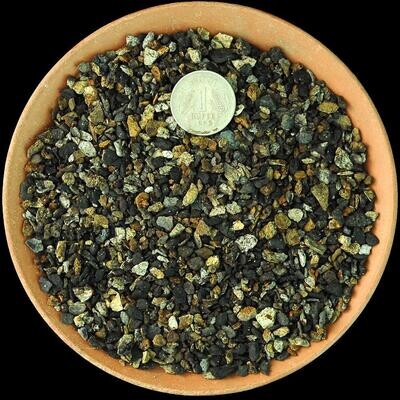
Cactus & Succulent Planting Mix COARSE (aka Cactus Soil Mix or Succulent Soil Mix)
Cactus & Succulent Planting Mix COARSE (aka Cactus Soil Mix or Succulent Soil Mix)
Washed, Free-Draining Mineral Mix for Cactus & Succulents
SKU MNS003
5.0
(1)
₹44.85
New


Monsoon Guardian Kit (5 in 1)
Monsoon Guardian Kit (5 in 1)
Complete 5-in-1 biological protection kit for cacti & succulents
SKU MNS024
₹850.00
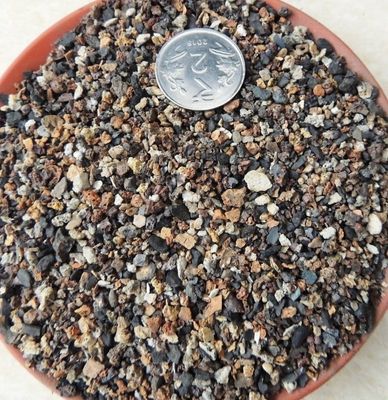
Cactus & Succulent Planting Mix FINE (aka Cactus Soil Mix or Succulent Soil Mix)
Cactus & Succulent Planting Mix FINE (aka Cactus Soil Mix or Succulent Soil Mix)
Fine-Grain Potting Mix for Cactus & Succulent Roots
SKU MNS001
5.0
(3)
₹39.85
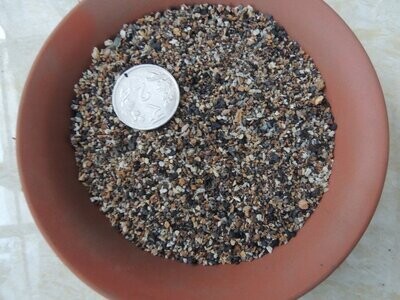
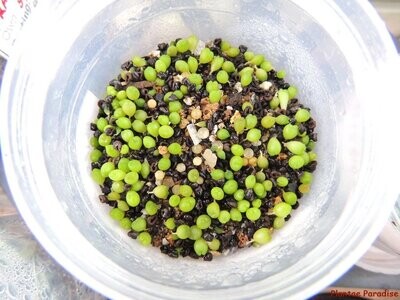
Cactus Seed Planting Mix
Cactus Seed Planting Mix
Sterile, Fine-Grain Media for Cactus & Succulent Seeds
SKU MNS005
₹74.85
Display prices in:INR
