
Categories
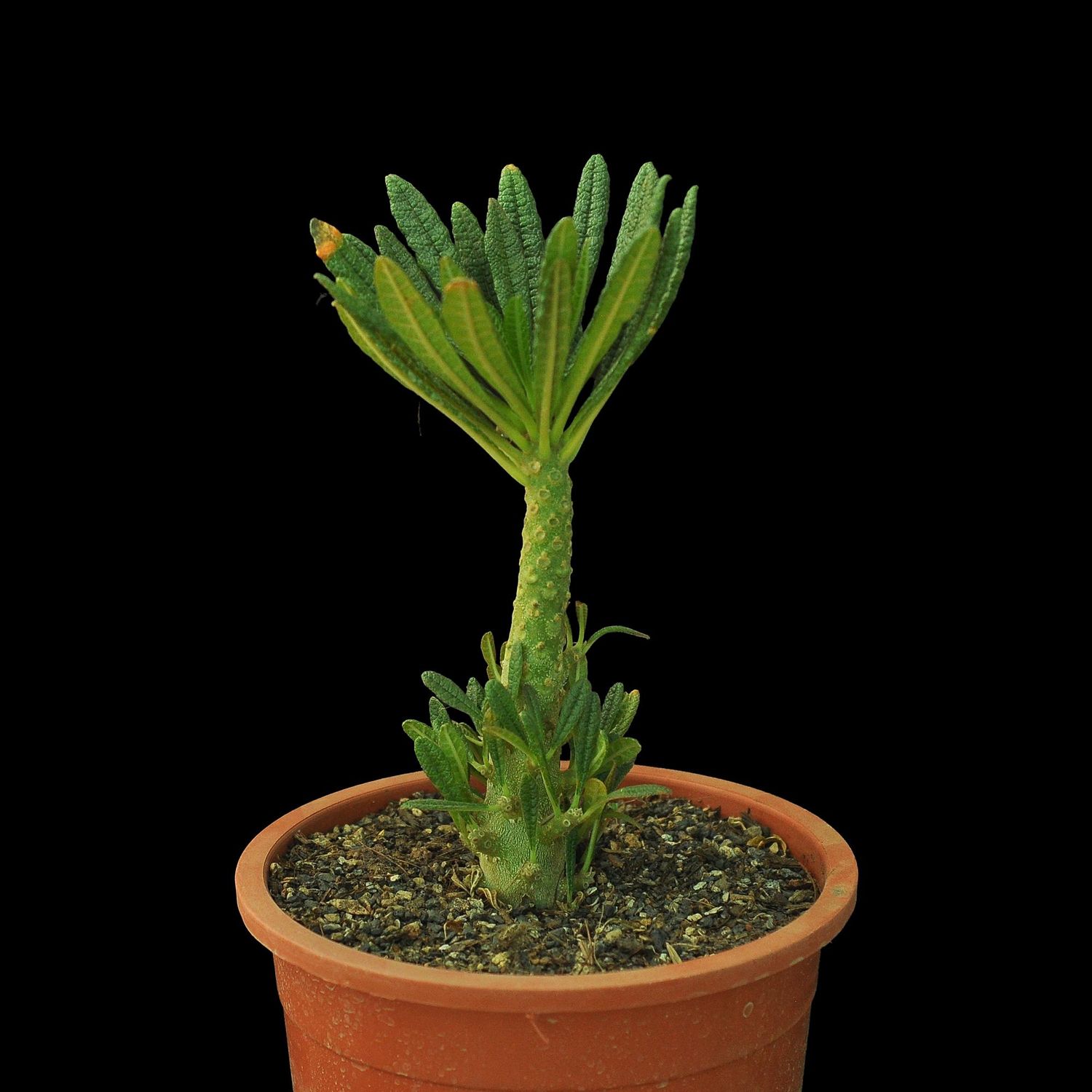
Dorstenia gigas
SKU PA063
₹2 750.00
Sold out
Sold out
Save this product for later
Customer reviews
Reviews only from verified customers
No reviews yet. You can buy this product and be the first to leave a review.
Dorstenia gigas
Product Details
Etymology
The genus name "Dorstenia" is derived from the name of Theodor Dorsten, a 16th-century German botanist and physician known for his work with medicinal plants. The species name "gigas" comes from the Greek word "gigas," meaning "giant," which aptly describes the impressive size of this plant relative to other members of the genus. The naming reflects not only its physical stature but also its remarkable presence in its native habitat.
Synonyms
Dorstenia gigas may be referred to by a few synonyms due to taxonomic revisions over time. Some of the alternate classifications include "Dorstenia manni" and "Dorstenia tepicensis." These names arise from earlier botanical classifications and highlight the complexities involved in plant taxonomy as botanists work to clarify relationships within the Dorstenia genus.
Origin
Dorstenia gigas is native to the tropical regions of Eastern Africa, particularly found in countries like Kenya and Tanzania. It typically inhabits forested areas and open grasslands, thriving in well-drained, nutrient-rich soils. The plant is adapted to a warm, humid environment, which is prevalent within its native regions.
Description
Dorstenia gigas is a large, distinctive succulent characterized by its thick, fleshy stems that can reach heights of several feet (up to 6 to 10 feet or 1.8 to 3 meters). The stems are green and often branched, creating a bushy appearance. Its leaves are leathery, shiny, and typically appear in a spiral pattern along the stems, developing a strikingly lush canopy. In addition to its impressive foliage, Dorstenia gigas produces unique, small, and cluster-like inflorescences that can vary in color, attracting various pollinators.
Conservation Status
Currently, Dorstenia gigas is not classified as threatened or endangered. However, its natural habitat is vulnerable to deforestation and land conversion for agricultural purposes, potentially impacting the species’ populations in the wild. Conservation efforts focusing on habitat protection and sustainable land use are crucial to maintaining the health of this species in its natural environment.
Care Instructions
Dorstenia gigas is suitable for cultivation and can be a striking addition to both indoor and outdoor gardens with the right care. Here are essential guidelines for maintaining this unique succulent:
- Light: Prefers bright, indirect sunlight to full sun. Adequate lighting is essential for healthy growth and robust foliage.
- Water: Water thoroughly, allowing the top inch of soil to dry out before the next watering. Avoid overwatering, as excessive moisture can lead to root rot.
- Soil: Use a well-draining potting mix, such as a succulent or cactus blend, that ensures good drainage and airflow around the roots.
- Temperature: Thrives in warm conditions, ideally between 70°F to 85°F (21°C to 29°C). It is not frost-tolerant and should be protected from temperatures below 50°F (10°C).
- Humidity: Prefers moderate humidity levels; mimicking its tropical environment can enhance growth, but avoid overly humid conditions.
- Fertilization: During the growing season (spring and summer), apply a balanced, diluted fertilizer approximately once a month to support healthy growth.
Display prices in:INR
