
Categories
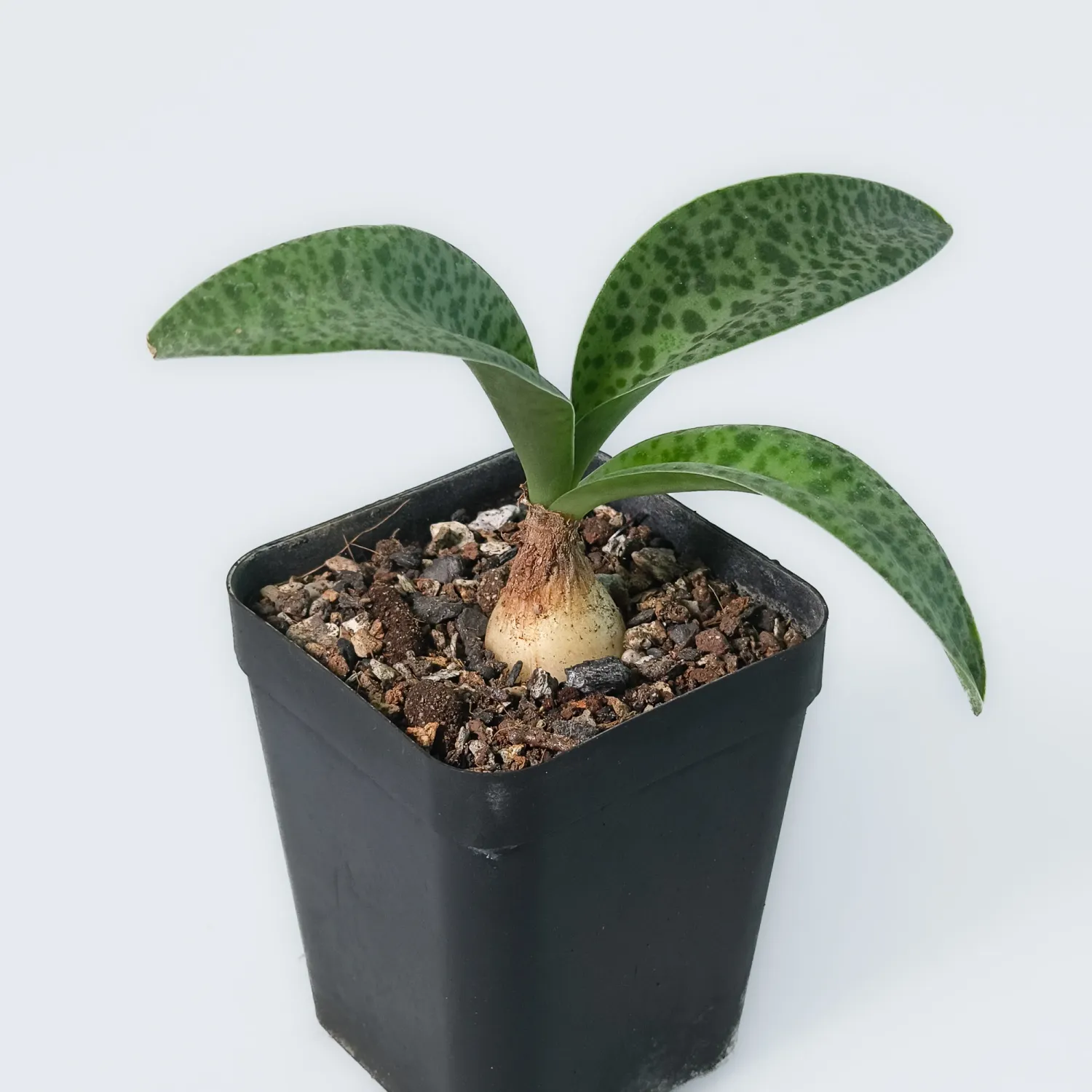
Drimiopsis kirkii
SKU SK004
₹250.00
Decorative spotted leaves with compact, easy growth
In stock: 2 available
1
Save this product for later
Customer reviews
Reviews only from verified customers
No reviews yet. You can buy this product and be the first to leave a review.
Drimiopsis kirkii
Product Details
The Spotted Wonder: Drimiopsis kirkii
An architectural gem for the collector, prized for its leopard-spotted foliage and effortless elegance.
- Origin & History of Name: The genus name Drimiopsis derives from the Greek drimys (pungent/sharp) and opsis (appearance), referring to its resemblance to the genus Drimia.
The specific epithet kirkii honors Sir John Kirk (1832–1922), a British botanist and diplomat who served as an administrator in Zanzibar and documented much of East Africa's flora during the 19th century. - Morphology: This bulbous perennial features lanceolate, fleshy leaves arising from an exposed or semi-buried tunicated bulb.
Its most striking feature is the maculation (spotting) on the upper epidermis, where dark green or purple dots contrast against a pale silvery-green base. It produces a terminal inflorescence—a tall spike of small, greenish-white, bell-shaped flowers. - Habitat & Origin: Drimiopsis kirkii is a wild species native to the tropical and subtropical regions of East Africa, specifically Tanzania and Kenya. It is a stable, non-hybridized species. Our specimens are propagated via bulb division or seed to ensure sustainability and protect wild populations from poaching.
- Cultivation Profile:
- Substrate: Use a porous, mineral-based mix. A ratio of 50% inorganic material (grit, perlite, or crushed brick) and 50% organic matter (well-aged compost or coco-peat) works best in Indian conditions.
- Light: Thrives in bright, indirect light. In India, a north-facing balcony or a spot with filtered morning sun is ideal; avoid harsh afternoon sunlight which can scorch the delicate leaf epidermis.
- Water/Dormancy: Water thoroughly when the top inch of soil feels dry. During the monsoon and winter, reduce watering significantly as the plant may enter a semi-dormancy phase where foliage may die back to the bulb.
- Scientific/Historical Anecdote: Recent molecular phylogenetic studies have led many botanists to reclassify this species into the genus Ledebouria. While still widely sold as Drimiopsis, it is scientifically considered a "bridge" species that helps researchers understand the evolutionary link between African hyacinths and other bulbous monocots.
You May Also Like
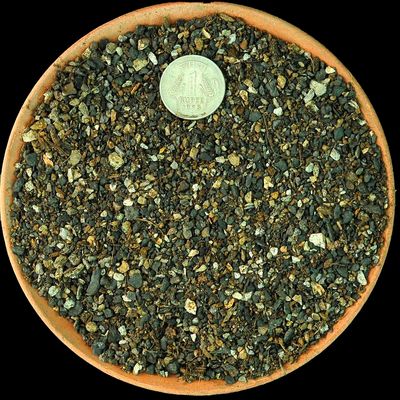
FORTIFIED Cactus & Succulent SOIL (FINE)
FORTIFIED Cactus & Succulent SOIL (FINE)
SKU MNS002
5.0
(4)
₹49.85
New
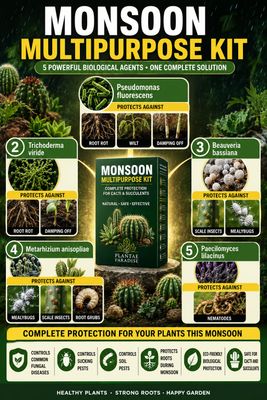
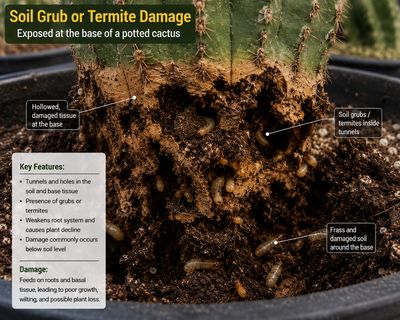
Monsoon Guardian Kit (5 in 1)
Monsoon Guardian Kit (5 in 1)
Complete 5-in-1 biological protection kit for cacti & succulents
SKU MNS024
₹850.00
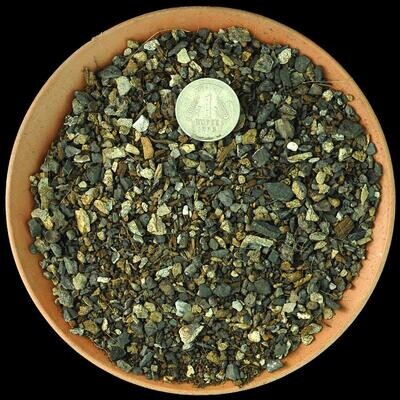
FORTIFIED Cactus & Succulent SOIL (COARSE)
FORTIFIED Cactus & Succulent SOIL (COARSE)
SKU MNS004
5.0
(11)
₹54.85
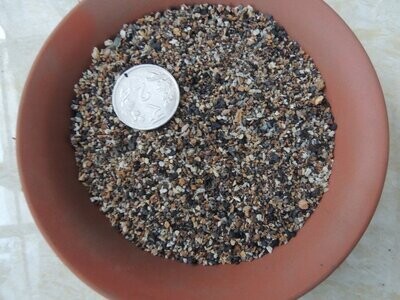
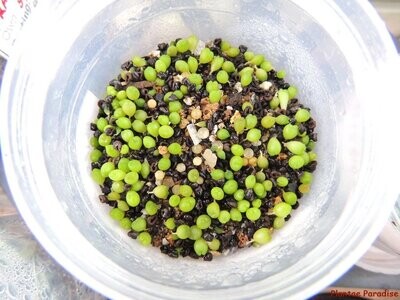
Cactus Seed Planting Mix
Cactus Seed Planting Mix
Sterile, Fine-Grain Media for Cactus & Succulent Seeds
SKU MNS005
₹74.85
Display prices in:INR
