
Categories
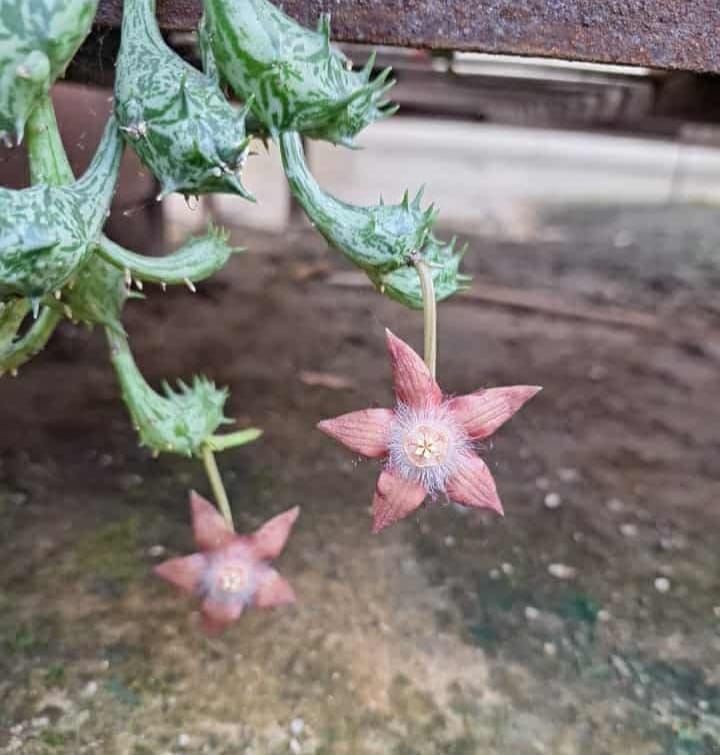
Duvalia sulcata
SKU ASC104
₹600.00
Sold out
Sold out
Save this product for later
Customer reviews
Reviews only from verified customers
No reviews yet. You can buy this product and be the first to leave a review.
Duvalia sulcata
Product Details
Geometric Intrigue: Duvalia sulcata
A master of mimicry, this succulent produces striking, star-shaped blooms that combine complex geometry with a fascinating, alien aesthetic.
- Origin & History of Name: The genus name Duvalia was established by Adrian Hardy Haworth in 1812 to honor the French physician and botanist Henri-Auguste Duval.
The specific epithet sulcata is derived from the Latin sulcus, meaning "furrow" or "groove," referring to the distinct longitudinal indentations found on the stems of the plant. - Morphology: Duvalia sulcata features decumbent, succulent stems that are four- to five-angled.
The epidermis is typically a matte olive-green, occasionally flushing reddish under high light. The most distinctive feature is the corolla of the flower; it is deeply lobed and star-shaped, featuring a prominent, raised central ring known as an annulus. The flower is often fringed with vibrantly colored, hair-like structures (vibratile trichomes) that move with the slightest breeze. - Habitat & Origin: This is a wild species native to the arid regions of the Arabian Peninsula, including Yemen and Saudi Arabia, as well as parts of Northeast Africa like Sudan and Ethiopia.
In the wild, it grows in the shade of scrub bushes. Our specimens are nursery-propagated via stem cuttings, ensuring no disruption to wild populations and promoting long-term conservation. - Cultivation Profile:
- Substrate: Requires an ultra-porous mineral mix. Use a blend of 80% grit (lava rock, coarse sand, or pumice) and 20% coco-peat to ensure rapid drainage, which is vital during the Indian monsoon.
- Light: Prefers bright, indirect light or filtered sunlight. In the Indian subcontinent, direct midday summer sun can scorch the stems; a position with morning sun and afternoon shade is ideal.
- Water/Dormancy: Follow a strict dry-out protocol. Water only when stems show slight wrinkling during the growing season. In winter, the plant enters a semi-dormant state; reduce watering to once a month to prevent fungal pathogens in the cooler, damp air.
- Scientific/Historical Anecdote: Duvalia sulcata belongs to the tribe Stapelieae, often called "carrion flowers."
To ensure pollination in harsh desert environments, the flowers emit a faint scent of decaying organic matter to attract blowflies. Evolutionarily, the vibratile trichomes on the flower edges are thought to mimic the movement of small insects, further tricking pollinators into visiting the bloom.
You May Also Like
New

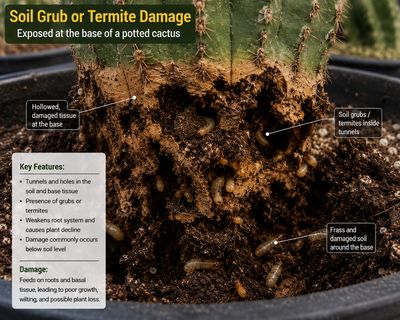
Monsoon Guardian Kit (5 in 1)
Monsoon Guardian Kit (5 in 1)
Complete 5-in-1 biological protection kit for cacti & succulents
SKU MNS024
₹850.00
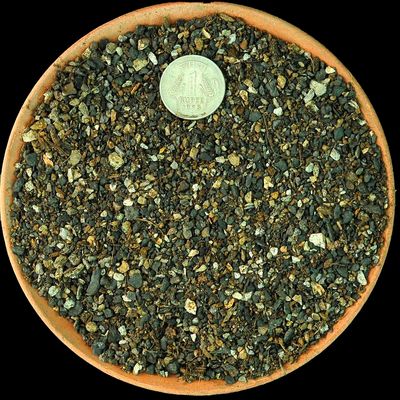
FORTIFIED Cactus & Succulent SOIL (FINE)
FORTIFIED Cactus & Succulent SOIL (FINE)
SKU MNS002
5.0
(4)
₹49.85
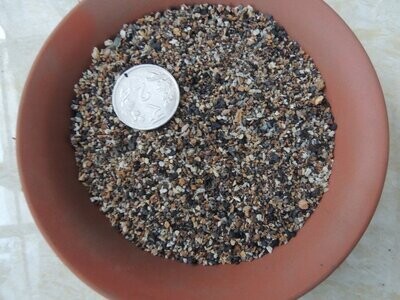
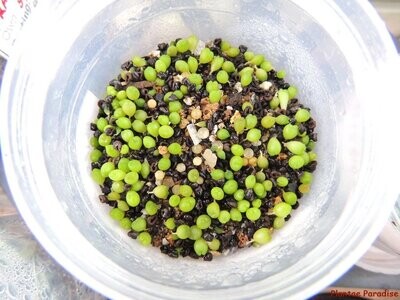
Cactus Seed Planting Mix
Cactus Seed Planting Mix
Sterile, Fine-Grain Media for Cactus & Succulent Seeds
SKU MNS005
₹74.85
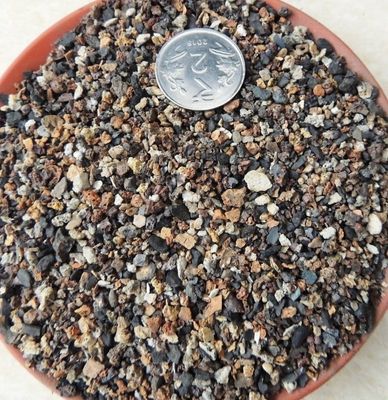
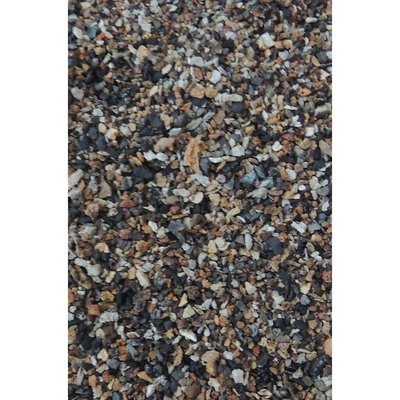
Cactus & Succulent Planting Mix FINE (aka Cactus Soil Mix or Succulent Soil Mix)
Cactus & Succulent Planting Mix FINE (aka Cactus Soil Mix or Succulent Soil Mix)
Fine-Grain Potting Mix for Cactus & Succulent Roots
SKU MNS001
5.0
(3)
₹39.85
Display prices in:INR
