
Categories
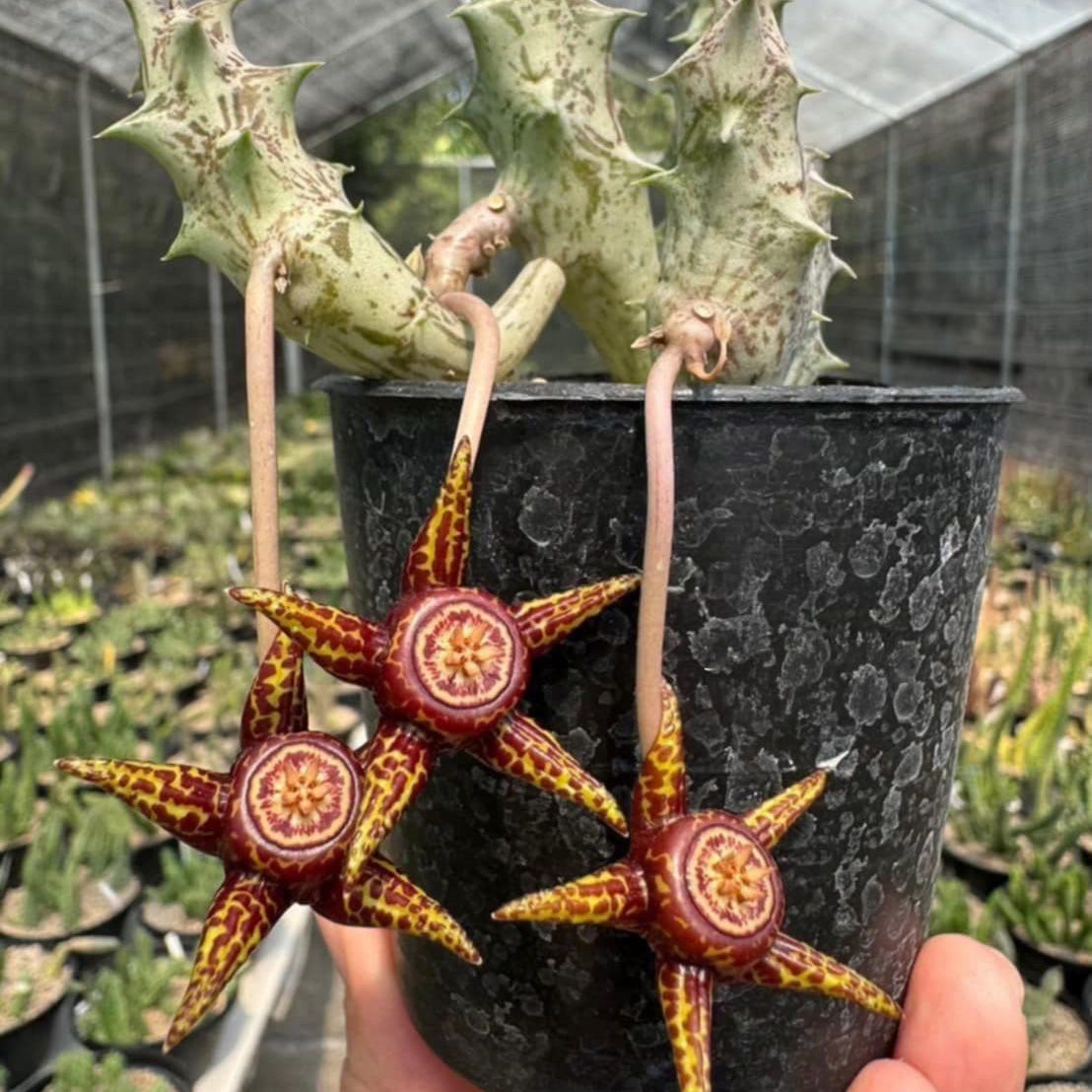
Duwalia somalensis
SKU ASC084
₹200.00
Sold out
Sold out
Save this product for later
Customer reviews
Reviews only from verified customers
No reviews yet. You can buy this product and be the first to leave a review.
Duwalia somalensis
Product Details
Geometric Rarity: Duvalia somalensis
A cryptic masterpiece of the Horn of Africa, featuring star-shaped obsidian blooms and intricate mottled stems.
- Origin & History of Name: The genus Duvalia was established in 1812 by the British botanist Adrian Hardy Haworth, named in honor of Henri-Auguste Duval, a French physician and succulent expert.
The specific epithet somalensis serves as a geographical marker, denoting its discovery in the xeric regions of Somalia. It belongs to the tribe Stapelieae, often collectively known as "carrion flowers" due to their unique pollination strategies. - Morphology: This succulent features low-growing, procumbent stems that are distinctly tessellated (patterned like tiles). The epidermis is often mottled with purple or reddish-brown pigment over a deep green base. Its primary appeal is the flower: a five-lobed, dark mahogany to near-black corolla with a prominent, raised annulus (a fleshy ring) at the center. The flowers emerge from the base of new stems, displaying a waxy, almost synthetic texture.
- Habitat & Origin: Duvalia somalensis is a wild species endemic to the arid rocky plains and scrublands of Somalia and Ethiopia. These plants occupy niche micro-climates, often growing under the protection of "nurse plants" to avoid direct scorching. All commercially available specimens should be nursery-propagated via stem cuttings or seed to ensure the protection of vulnerable wild populations in the Horn of Africa.
- Cultivation Profile:
- Substrate: Use an ultra-porous mineral substrate. A mix of 80% coarse grit (lava rock, zeolite, or burnt clay haydite) and 20% organic compost is vital to prevent fungal pathogens at the stem base.
- Light: Thrives in bright, indirect light. In the Indian subcontinent, it should be protected from the harsh midday sun, which can cause epidermal scorching; a 50% shade cloth is ideal for South and West Indian summers.
- Water/Dormancy: Highly susceptible to overwatering. Water only when stems show slight shriveling during the growing season. During the Indian Monsoon, maintain strict dryness to avoid humidity-induced rot. Reduce water significantly in winter to respect its natural rest period.
- Scientific/Historical Anecdote: Duvalia species utilize a sophisticated pollination mechanism called a pollinarium. Instead of loose pollen grains, the pollen is contained in specialized sacs that must be physically removed by a visiting insect. The flower’s dark coloration and faint organic scent mimic decaying matter, tricking small flies into acting as couriers for these pollen sacs—a process known as sapromyiophily.
You May Also Like
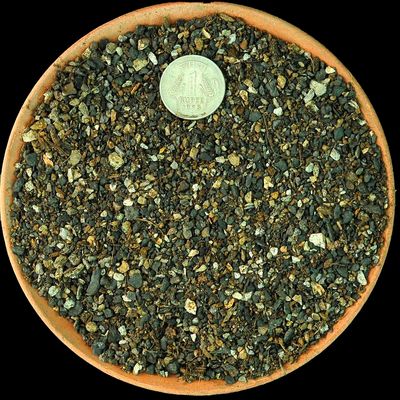
FORTIFIED Cactus & Succulent SOIL (FINE)
FORTIFIED Cactus & Succulent SOIL (FINE)
SKU MNS002
5.0
(4)
₹49.85
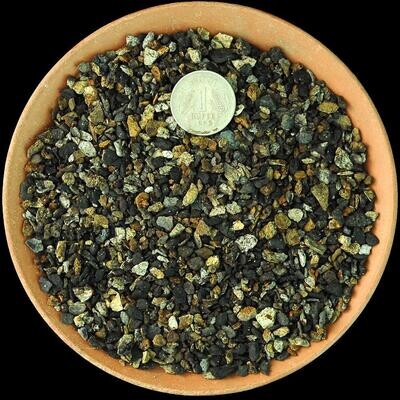
Cactus & Succulent Planting Mix COARSE (aka Cactus Soil Mix or Succulent Soil Mix)
Cactus & Succulent Planting Mix COARSE (aka Cactus Soil Mix or Succulent Soil Mix)
Washed, Free-Draining Mineral Mix for Cactus & Succulents
SKU MNS003
5.0
(1)
₹44.85
New
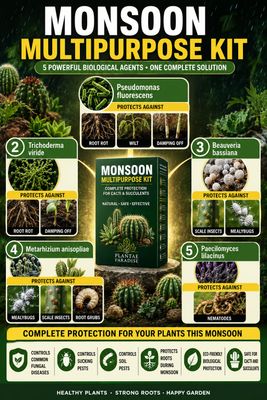
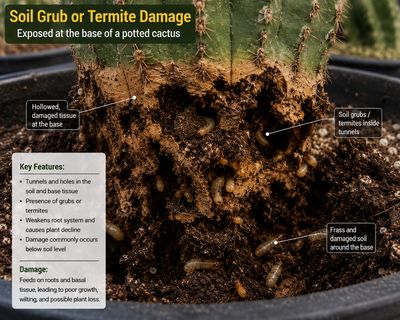
Monsoon Guardian Kit (5 in 1)
Monsoon Guardian Kit (5 in 1)
Complete 5-in-1 biological protection kit for cacti & succulents
SKU MNS024
₹850.00
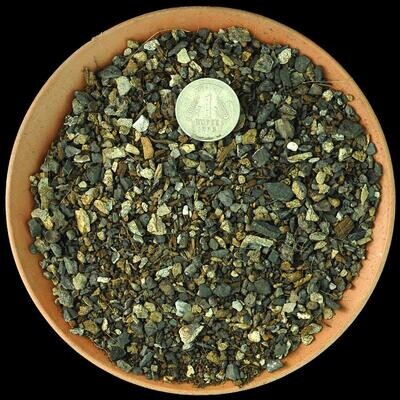
FORTIFIED Cactus & Succulent SOIL (COARSE)
FORTIFIED Cactus & Succulent SOIL (COARSE)
SKU MNS004
5.0
(11)
₹54.85
Display prices in:INR
