
Categories
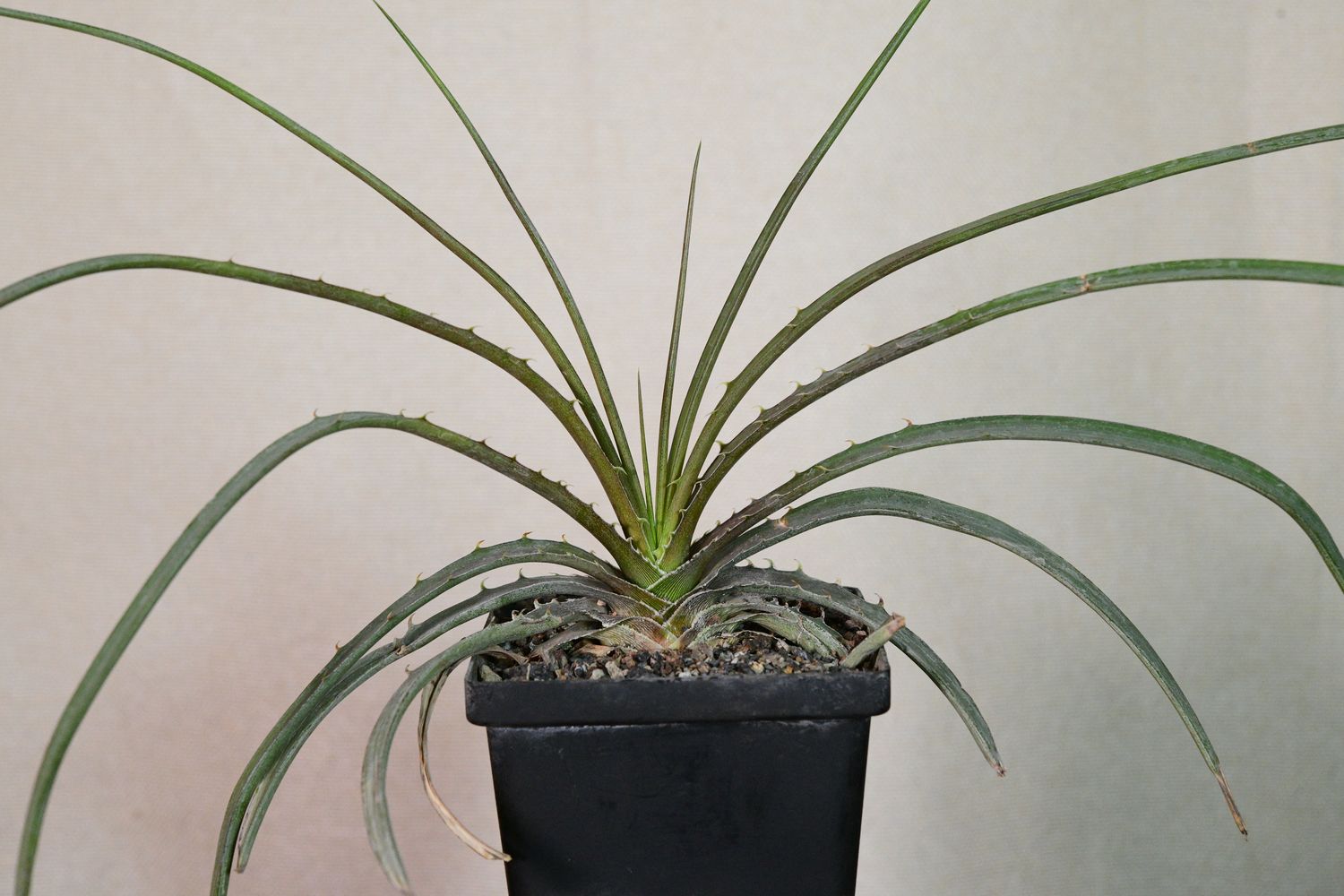
Dyckia estevesii
SKU BB007
₹4 200.00
In stock: 1 available
1
Save this product for later
Customer reviews
Reviews only from verified customers
No reviews yet. You can buy this product and be the first to leave a review.
Dyckia estevesii
Product Details
Etymology
The genus name "Dyckia" is derived from the name of the Prussian aristocrat and botanist Prince Joseph zu Salm-Reifferscheidt-Dyck, who was an avid collector of succulents and played a role in their study in the 19th century. The species name "estevesii" likely honors a person named Esteves who may have been involved in the discovery or study of this particular species.
Synonyms
Dyckia estevesii has not widely known synonyms, as it maintains its classification within the genus Dyckia. However, it's always beneficial to check the latest taxonomic databases or literature for any updates or changes in classification.
Origin
Dyckia estevesii is native to the arid and rocky environments of Brazil, particularly in regions with high sunlight and well-drained soils. These plants are typically adapted to survive in areas with harsh climates and minimal water, thriving in mountainous terrains.
Description
Dyckia estevesii is a terrestrial bromeliad characterized by its rosette of stiff, spiny leaves. The leaves are typically a striking silver-green or grayish color, accentuated by serrated edges and a robust texture. This makes the plant highly drought-tolerant and durable. In nature, they often form dense clumps. During the flowering season, Dyckia estevesii produces tall spikes adorned with small, colorful flowers, often in shades of orange or yellow, which add to its ornamental appeal.
Conservation Status
There is limited detailed conservation status information available specifically for Dyckia estevesii. However, habitat loss due to human activities such as deforestation and land conversion can pose threats. Efforts to grow these plants in cultivation help reduce pressure on wild populations.
Care Instructions
Dyckia estevesii requires specific conditions to thrive, reflecting its native habitat. Here are the recommended care instructions:
- Light: Requires full sun to partial shade. Adequate sunlight is essential for maintaining the plant's compact form and vibrant coloring.
- Water: Water the plant sparingly. Allow the soil to dry out between waterings. Overwatering can lead to root rot, particularly in non-porous soil.
- Soil: Prefers well-draining soil with a mix that emulates rocky or sandy environments. A cactus or succulent potting mix is ideal.
- Temperature: Adapted to warm conditions, Dyckia estevesii should be kept in environments that do not experience freezing temperatures. Ideal temperature ranges from 65°F to 90°F (18°C to 32°C).
- Humidity: Although tolerant of dry conditions, providing moderate humidity can be beneficial, especially if grown indoors.
- Fertilization: Fertilize sparingly during the active growing season (spring and summer) with a balanced, diluted fertilizer.
By adhering to these care guidelines, Dyckia estevesii can become a resilient and appealing addition to any plant collection or landscape, appreciated for its hardiness and striking appearance.
You May Also Like

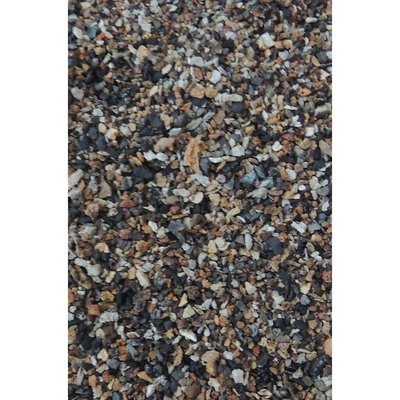
FORTIFIED Cactus & Succulent SOIL (FINE)
FORTIFIED Cactus & Succulent SOIL (FINE)
SKU MNS002
5.0
(4)
₹49.85
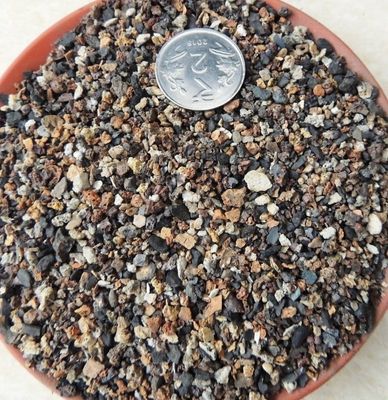
Cactus & Succulent Planting Mix FINE (aka Cactus Soil Mix or Succulent Soil Mix)
Cactus & Succulent Planting Mix FINE (aka Cactus Soil Mix or Succulent Soil Mix)
Fine-Grain Potting Mix for Cactus & Succulent Roots
SKU MNS001
5.0
(3)
₹39.85

Cactus & Succulent Planting Mix COARSE (aka Cactus Soil Mix or Succulent Soil Mix)
Cactus & Succulent Planting Mix COARSE (aka Cactus Soil Mix or Succulent Soil Mix)
Washed, Free-Draining Mineral Mix for Cactus & Succulents
SKU MNS003
5.0
(1)
₹44.85
New
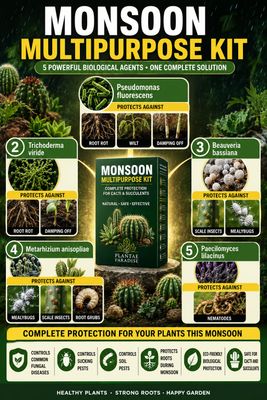
Monsoon Guardian Kit (5 in 1)
Monsoon Guardian Kit (5 in 1)
Complete 5-in-1 biological protection kit for cacti & succulents
SKU MNS024
₹850.00
Display prices in:INR
