
Categories
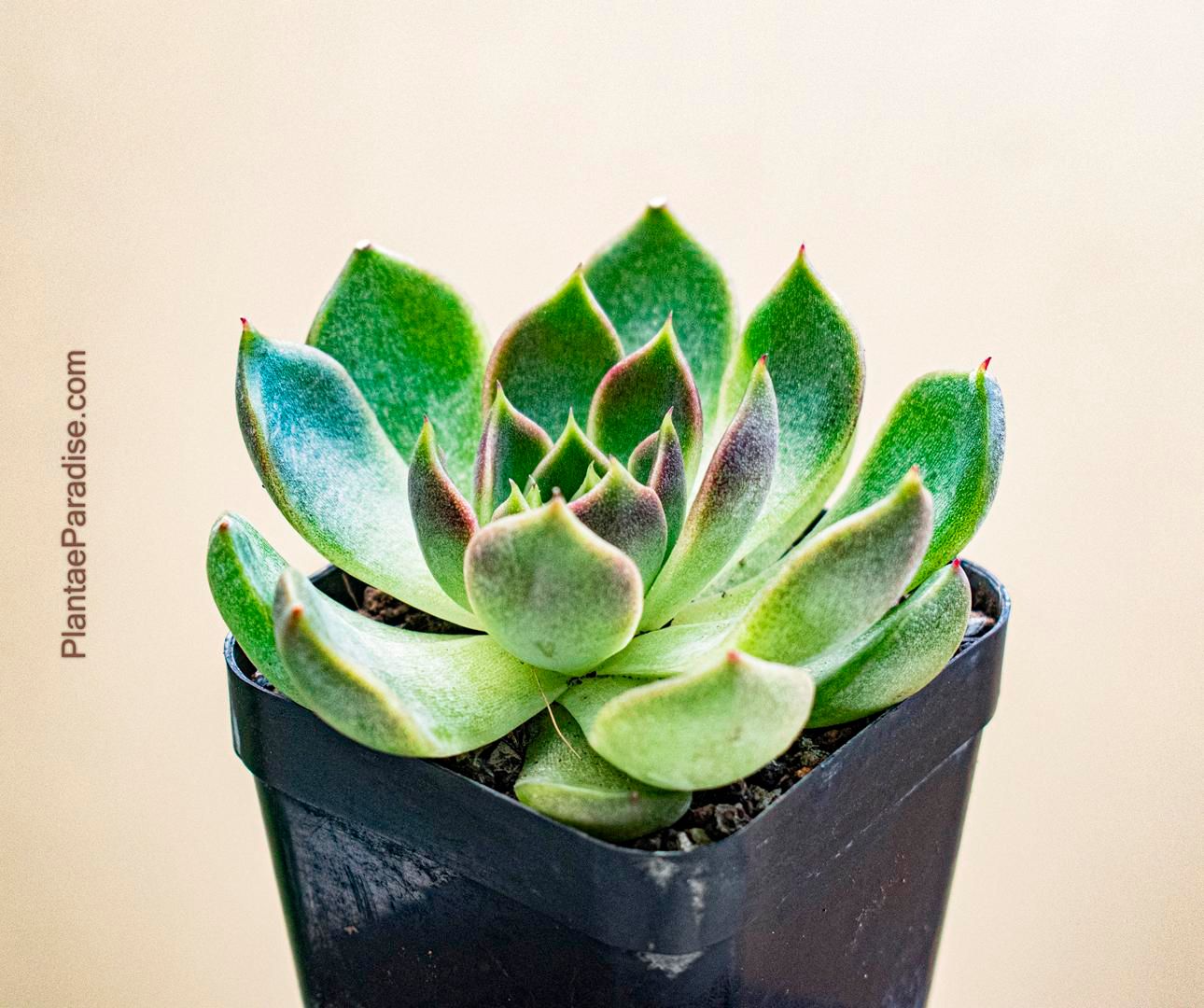
Echeveria sp
SKU SK022
₹235.00
In stock: 4 available
1
Save this product for later
Customer reviews
Reviews only from verified customers
No reviews yet. You can buy this product and be the first to leave a review.
Echeveria sp
Product Details
Echeveria sp.
1. Origin of Name:
The genus Echeveria is named after the 18th-century Mexican botanist Atanasio Echeverría y Godoy, celebrated for his extensive work on Mexican flora. The name Echeveria pays homage to his contributions, while the species designation sp. (species) indicates that the plant belongs to the genus but has not been classified into a specific species. This allows for a diverse and wide-ranging collection of rosette-forming succulents, each with unique characteristics.
2. Origin of Plant:
Native to Mexico, Central America, and parts of the Americas, Echeveria species thrive in rugged, rocky, and arid environments where water is scarce and sunlight is intense. These plants have adapted to survive in harsh conditions, forming beautiful, symmetrical rosettes. The particular Echeveria you select may come from various regions within this range, but all share a common resilience and decorative appeal. They're celebrated worldwide for their stunning appearance and ease of care.
3. Description:
This charming, rosette-shaped succulent features thick, fleshy leaves that grow tightly in a symmetrical pattern. The color of the leaves varies but is often a soft bluish-green or grey-green. Notably, when kept under drier conditions or cooler temperatures, the leaf tips blush a vibrant, fiery red, creating a striking contrast and adding dramatic flair to its elegant form. The plant usually reaches about 4-6 inches in diameter, making it perfect for small pots, terrariums, or decorative arrangements. During spring or summer, it may produce slender stalks topped with yellow, orange, or red star-shaped flowers, enhancing its ornamental appeal.
4. Conservation Status:
As a widespread and popular succulent, Echeveria sp. is commonly cultivated and propagated worldwide. It is not threatened in its native habitats, and responsible cultivation and propagation practices ensure its sustainability. Its popularity in garden design and as a houseplant helps foster conservation efforts by encouraging sustainable nursery propagation.
5. Care:
- Watering: Water sparingly, allowing the soil to dry out completely between watering. During colder months, reduce watering to prevent root rot.
- Soil: Use a well-draining cactus or succulent mix with added coarse sand or perlite for optimal drainage.
- Light: Prefers bright, direct sunlight to help develop its vibrant colors, especially the red tips. Lack of sufficient light may reduce the coloration.
- Temperature: Thrives in warm temperatures between 65°F and 80°F (18°C to 27°C). Protect from frost—bring indoors or insulate in colder climates during winter.
- Additional Tips: During periods of less water and cooler temperatures, the leaf tips will turn vividly red, adding striking color to its appearance. Fertilize lightly during the growing season with a diluted succulent fertilizer. Its adaptable, low-maintenance nature makes it perfect for both beginners and seasoned succulent enthusiasts.
You May Also Like

Cactus & Succulent Planting Mix COARSE (aka Cactus Soil Mix or Succulent Soil Mix)
Cactus & Succulent Planting Mix COARSE (aka Cactus Soil Mix or Succulent Soil Mix)
Washed, Free-Draining Mineral Mix for Cactus & Succulents
SKU MNS003
5.0
(1)
₹44.85
New
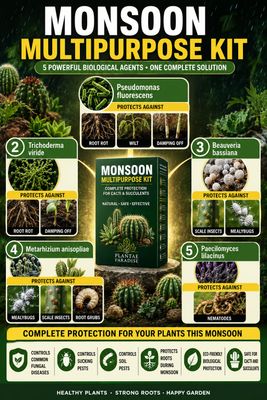
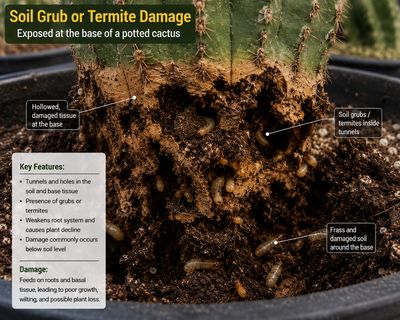
Monsoon Guardian Kit (5 in 1)
Monsoon Guardian Kit (5 in 1)
Complete 5-in-1 biological protection kit for cacti & succulents
SKU MNS024
₹850.00

Cactus Seed Planting Mix
Cactus Seed Planting Mix
Sterile, Fine-Grain Media for Cactus & Succulent Seeds
SKU MNS005
₹74.85

FORTIFIED Cactus & Succulent SOIL (FINE)
FORTIFIED Cactus & Succulent SOIL (FINE)
SKU MNS002
5.0
(4)
₹49.85
Display prices in:INR
