
Categories
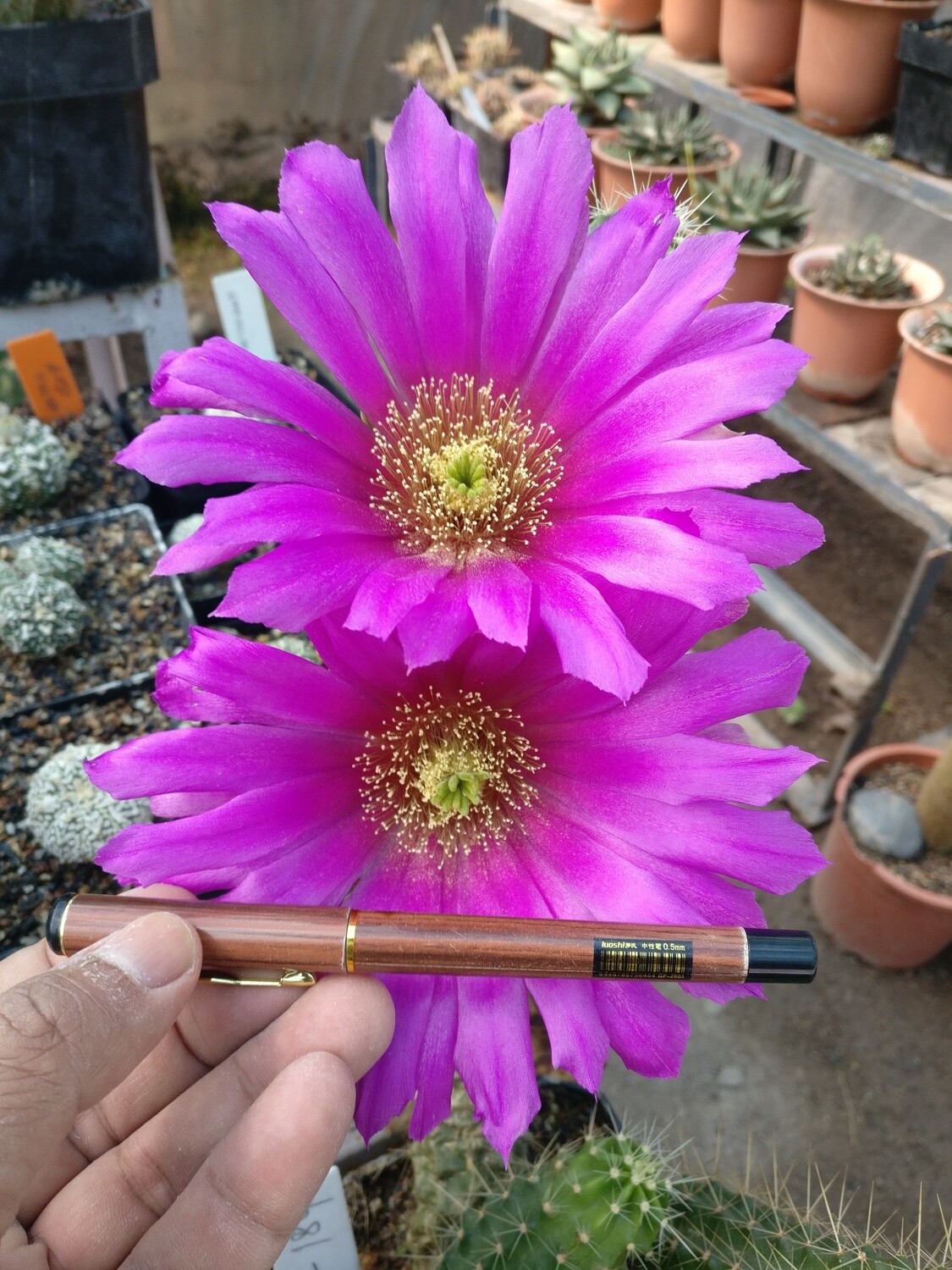
Echinocereus Viereckii Subsp. Santamariensis
SKU ER027
₹450.00
Clumping cactus with massive violet-magenta blooms
In stock: 5 available
1
Save this product for later
Customer reviews
Reviews only from verified customers
No reviews yet. You can buy this product and be the first to leave a review.
Echinocereus Viereckii Subsp. Santamariensis
Product Details
The Magenta Torch of Baja: Echinocereus viereckii subsp. santamariensis
A rare, clumping specimen prized for its architectural, nearly spineless stems and massive, vibrant violet blooms that command attention in any xeriscape collection.
1. Origin & History of Name The genus name Echinocereus derives from the Greek echinos ("hedgehog") and the Latin cereus ("wax taper" or "candle"), referring to the plant's spiny, cylindrical form.
2. Morphology This subspecies is distinguished by its clustering habit, forming dense groups of decumbent to erect cylindrical stems. The epidermis is a rich green, segmented by 7 to 9 tuberculate ribs (costae). Unlike the heavily armored type species, santamariensis often exhibits reduced spination, featuring short, bristly yellowish-white radial spines. The defining commercial feature is its anthesis: it produces oversized, funnel-shaped flowers in a striking shade of electric magenta-purple with a bright green stigma.
3. Habitat & Origin This is a botanical variety of a wild species native to the rocky elevations of the Sierra de la Giganta in Baja California Sur, Mexico. It is not a man-made cultivar. These specimens are ethically propagated from seed (ex-situ conservation), ensuring no depletion of wild populations.
4. Cultivation Profile
- Substrate: Requires a highly porous, mineral-heavy mix. Use 70% drainage material (pumice, perlite, or gravel) and 30% organic compost. Avoid heavy garden soil to prevent root asphyxia.
- Light: Thrives in bright, filtered sunlight. In the Indian plains, provide protection from the scorching midday sun (12 PM – 4 PM) during summer to prevent epidermal scorching, but ensure full sun exposure during winter.
- Water/Dormancy: Follow a strict "soak and dry" cycle. Water thoroughly only when the substrate is bone dry. During the Indian monsoon and winter dormancy (November–February), cease watering completely to prevent rot.
5. Scientific/Historical Anecdote A fascinating biological quirk of the Echinocereus genus is the mechanism of its flowering. Unlike most cacti where buds emerge neatly from the areole, Echinocereus flower buds technically erupt through the plant's skin (epidermis) just above the areole. This rupturing process leaves a permanent scar, a unique evolutionary trait used by taxonomists to distinguish this genus from similar columnar cacti.
You May Also Like
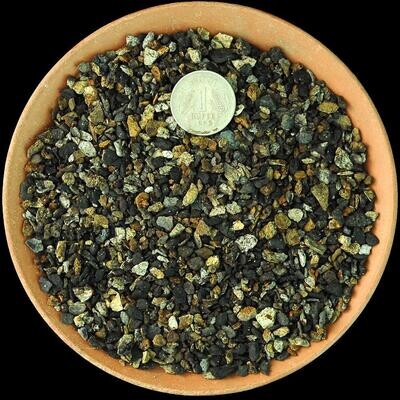
Cactus & Succulent Planting Mix COARSE (aka Cactus Soil Mix or Succulent Soil Mix)
Cactus & Succulent Planting Mix COARSE (aka Cactus Soil Mix or Succulent Soil Mix)
Washed, Free-Draining Mineral Mix for Cactus & Succulents
SKU MNS003
5.0
(1)
₹44.85
New
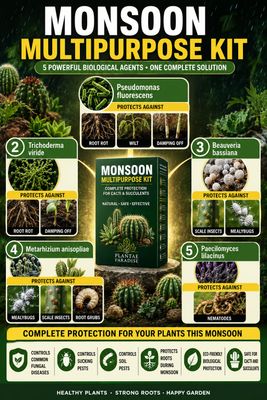
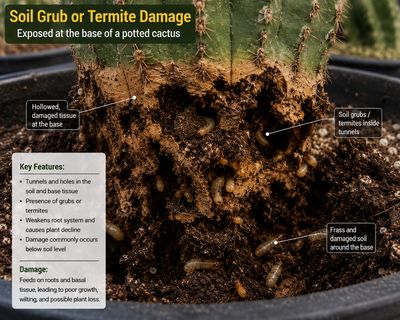
Monsoon Guardian Kit (5 in 1)
Monsoon Guardian Kit (5 in 1)
Complete 5-in-1 biological protection kit for cacti & succulents
SKU MNS024
₹850.00
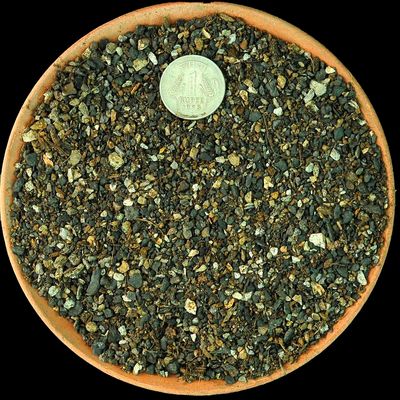
FORTIFIED Cactus & Succulent SOIL (FINE)
FORTIFIED Cactus & Succulent SOIL (FINE)
SKU MNS002
5.0
(4)
₹49.85
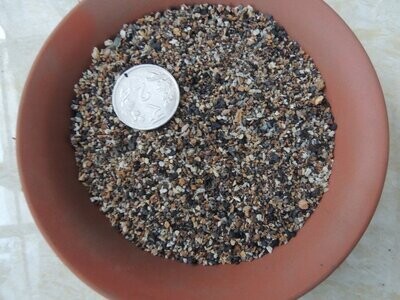
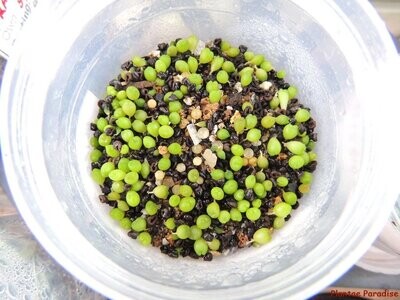
Cactus Seed Planting Mix
Cactus Seed Planting Mix
Sterile, Fine-Grain Media for Cactus & Succulent Seeds
SKU MNS005
₹74.85
Display prices in:INR
