
Categories
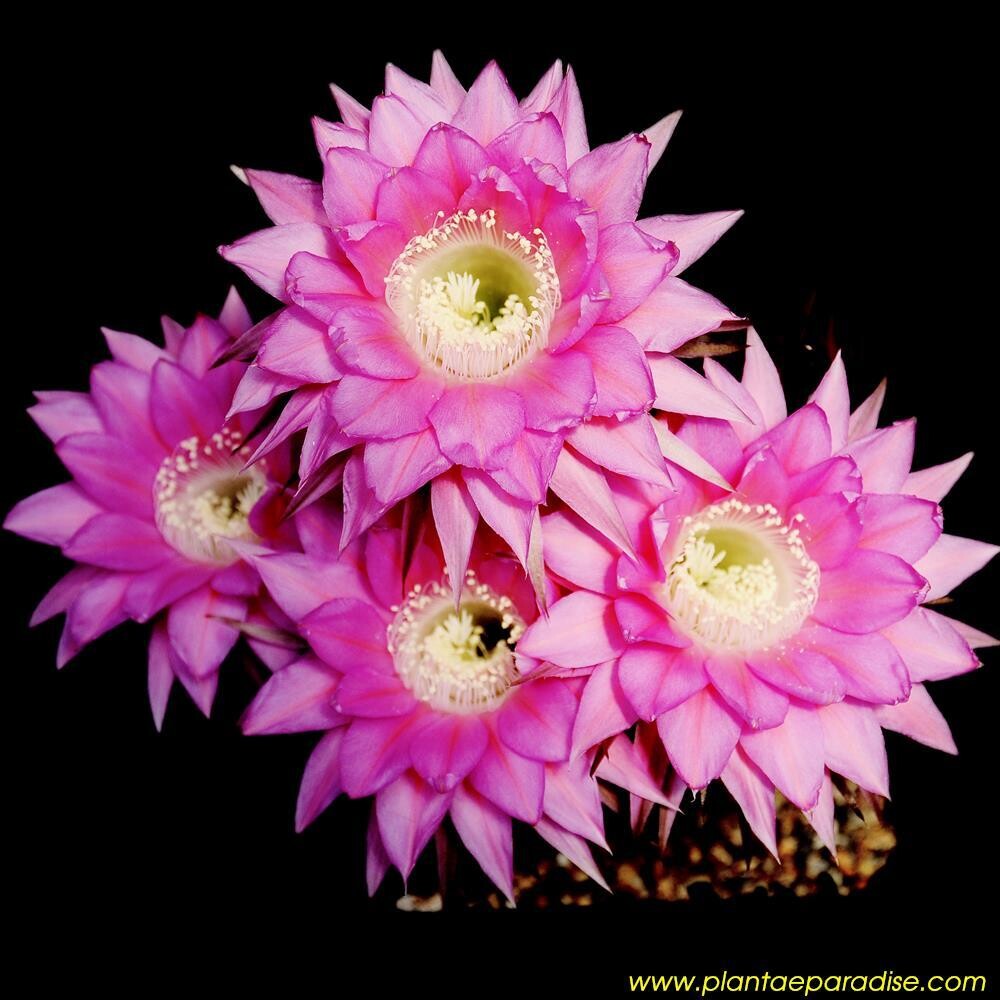
Echinopsis Hybrid Belleza Morada
5.0
1 review
Reviews from verified customers who have purchased products at this store.
SKU LET059
₹450.00
In stock: 1 available
1
Save this product for later
Customer reviews
Reviews only from verified customers
Reviews are only accepted from verified customers who have signed in and purchased the products. This ensures that each review is based on genuine customer experiences. All reviews are checked before publication to prevent spam.
C S.
Secunderabad,
India
Fri, September 11, 2026
The plant is exactly as promised. Hard to wait patiently till it blooms.
Echinopsis Hybrid Belleza Morada
Product Details
Radiant Violet Perfection: Echinopsis Hybrid ‘Belleza Morada’ An exquisite collector’s hybrid distinguished by its intense saturation and high-frequency floral display.
- Origin & History of Name: The name is derived from the Greek echinos (hedgehog) and opsis (appearance), referring to the plant's spiny, globose form. The cultivar name ‘Belleza Morada’ is Spanish for "Purple Beauty," a nomenclature chosen by hybridizers to highlight the specific anthocyanin density in the petals, which produces a deeper violet hue than standard Echinopsis varieties.
- Morphology: This specimen features a cylindrical epidermis with 10–12 pronounced costae (ribs). The areoles are closely set, bearing short, radial spines that provide a structural contrast to its soft, funnel-form blooms. The flowers are notable for their multi-layered perianth segments and a high pollen-to-petal ratio, typical of advanced Echinopsis breeding.
- Habitat & Origin: ‘Belleza Morada’ is a cultivated hybrid (cultivar) and does not exist in the wild. It stems from selective breeding programs focused on "Schick hybrids," which cross-breed South American species like E. chamaecereus and E. aurea. Our specimens are propagated via sustainable vegetative offsets to ensure genetic purity and reduce pressure on wild populations.
- Cultivation Profile:
- Substrate: A strictly mineral-based, porous mix (50% crushed brick or pumice, 25% coarse river sand, 25% organic compost). Avoid standard garden soil.
- Light: Requires bright, filtered sunlight. In the Indian subcontinent, protect from harsh afternoon sun (12 PM – 4 PM) to prevent epidermal scorching.
- Water/Dormancy: Follow a "soak and dry" cycle during the monsoon and summer. Maintain strict winter dormancy from November to February by withholding water entirely to trigger spring budding.
- Scientific/Historical Anecdote: The genus Echinopsis was the subject of early 20th-century botanical fascination due to its "vespertine" blooming nature. Many original species were documented by botanists like Joseph Gerhard Zuccarini, who noted that while the flowers are often short-lived (lasting only 24–48 hours), the plant compensates with a massive metabolic investment, producing some of the largest flower-to-body size ratios in the Cactaceae family.
You May Also Like
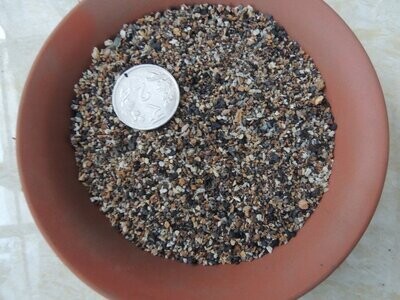
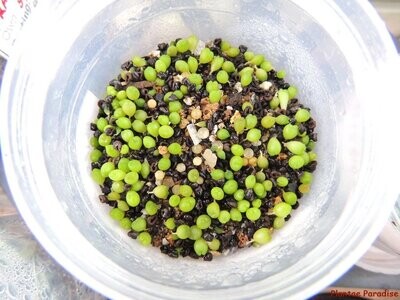
Cactus Seed Planting Mix
Cactus Seed Planting Mix
Sterile, Fine-Grain Media for Cactus & Succulent Seeds
SKU MNS005
₹74.85
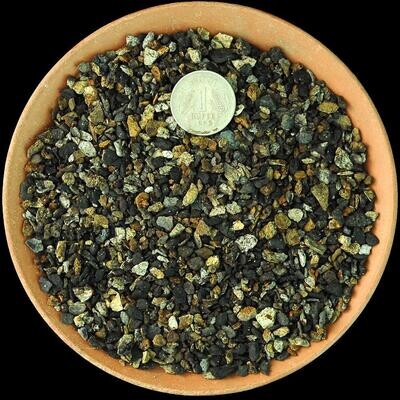
Cactus & Succulent Planting Mix COARSE (aka Cactus Soil Mix or Succulent Soil Mix)
Cactus & Succulent Planting Mix COARSE (aka Cactus Soil Mix or Succulent Soil Mix)
Washed, Free-Draining Mineral Mix for Cactus & Succulents
SKU MNS003
5.0
(1)
₹44.85
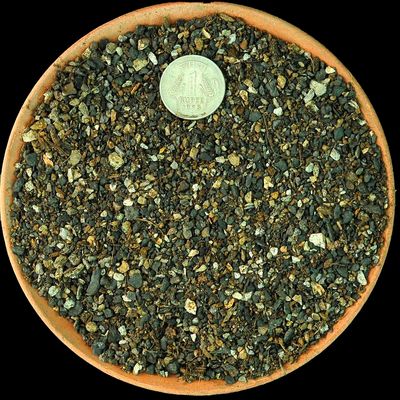
FORTIFIED Cactus & Succulent SOIL (FINE)
FORTIFIED Cactus & Succulent SOIL (FINE)
SKU MNS002
5.0
(4)
₹49.85
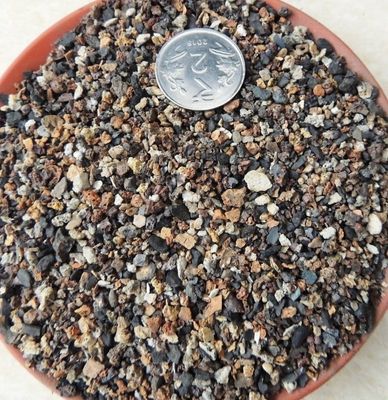
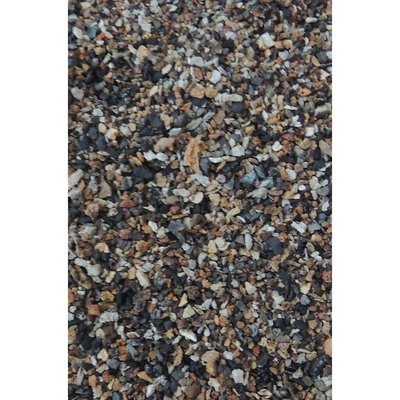
Cactus & Succulent Planting Mix FINE (aka Cactus Soil Mix or Succulent Soil Mix)
Cactus & Succulent Planting Mix FINE (aka Cactus Soil Mix or Succulent Soil Mix)
Fine-Grain Potting Mix for Cactus & Succulent Roots
SKU MNS001
5.0
(3)
₹39.85
Display prices in:INR
