
Categories
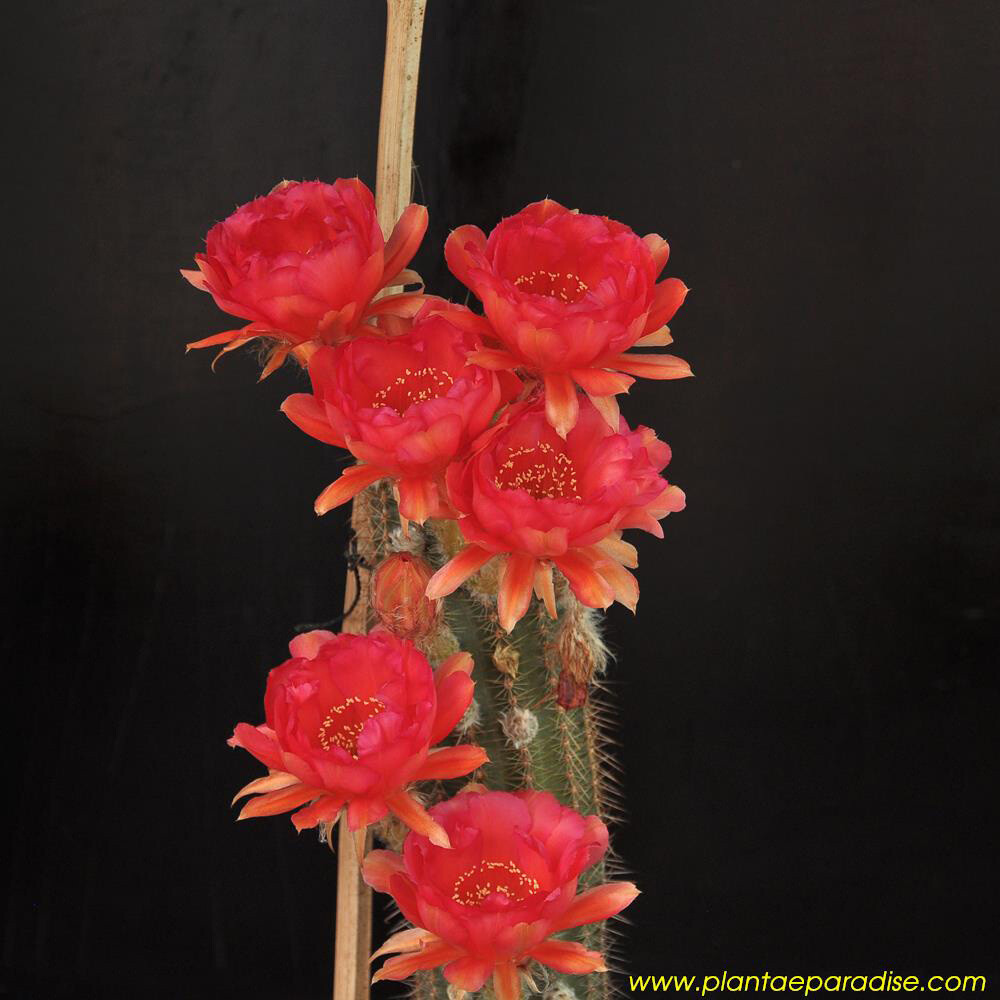
Echinopsis Hybrid Mars Red
SKU LET012
₹650.00
Bold ruffled crimson flowers and outstanding floral size make this hybrid a standout for cactus enthusiasts and flowering collections.
In stock: 1 available
1
Save this product for later
Customer reviews
Reviews only from verified customers
No reviews yet. You can buy this product and be the first to leave a review.
Echinopsis Hybrid Mars Red
Product Details
Celestial Fire: Echinopsis hybrid 'Mars Red'
A premium cultivar distinguished by its high-chroma, ruffled blooms and exceptional floral diameter.
- Origin & History of Name: The genus name Echinopsis is derived from the Greek echinos (hedgehog or sea urchin) and opsis (appearance), referencing the spiny, globose stem. The cultivar name 'Mars Red' serves as a celestial metaphor for the flower's intense ferruginous hues, echoing the iron-oxide coloration of the fourth planet.
- Morphology: This specimen features a cylindrical, dark-green epidermis organized into prominent vertical costae (ribs) that facilitate stem expansion during hydration. It is prized for its large, bowl-shaped diurnal flowers; these exhibit fimbriate (ruffled) petal margins and a dense cluster of golden anthers at the center, creating a high-contrast visual focal point.
- Habitat & Origin: 'Mars Red' is a man-made cultivar, not found in the wild. It is the result of selective hybridization between South American species (traditionally from the Andes regions of Argentina and Bolivia). These hybrids are bred in controlled nurseries, ensuring that no wild populations are poached, making them a sustainable choice for collectors.
- Cultivation Profile:
- Substrate: Use a strictly mineral-based mix (50% pumice or grit, 25% perlite, and 25% organic matter) to ensure rapid drainage.
- Light: Requires bright indirect sunlight; in the Indian subcontinent, provide 40-50% shade cloth protection during peak summer afternoons to prevent epidermal scorching.
- Water/Dormancy: Follow a "soak and dry" cycle during the monsoon and summer. Maintain strict winter dormancy from November to February by withholding water entirely to trigger spring budding.
- Scientific/Historical Anecdote: Echinopsis species were among the first cacti to be extensively hybridized in the 19th century. Early botanists like Joseph Gerhard Zuccarini were fascinated by the genus's ability to produce flowers that are disproportionately large compared to the body of the plant—a biological "investment" designed to attract specialized pollinators across vast distances in their native arid highlands.
You May Also Like
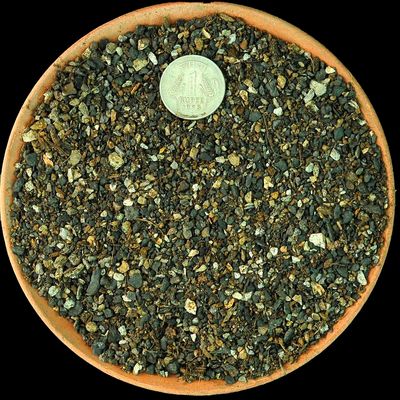
FORTIFIED Cactus & Succulent SOIL (FINE)
FORTIFIED Cactus & Succulent SOIL (FINE)
SKU MNS002
5.0
(4)
₹49.85
New

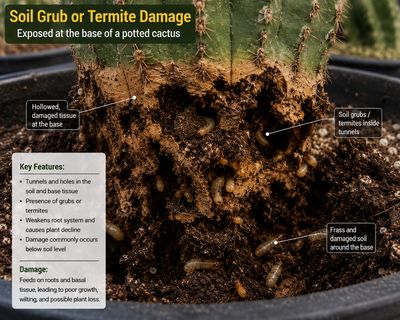
Monsoon Guardian Kit (5 in 1)
Monsoon Guardian Kit (5 in 1)
Complete 5-in-1 biological protection kit for cacti & succulents
SKU MNS024
₹850.00
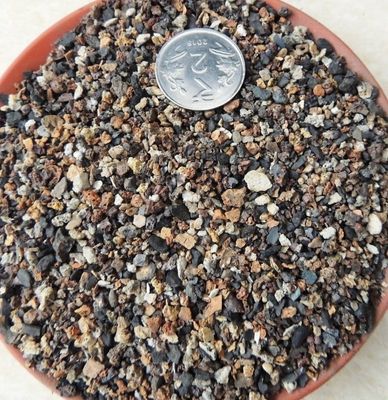

Cactus & Succulent Planting Mix FINE (aka Cactus Soil Mix or Succulent Soil Mix)
Cactus & Succulent Planting Mix FINE (aka Cactus Soil Mix or Succulent Soil Mix)
Fine-Grain Potting Mix for Cactus & Succulent Roots
SKU MNS001
5.0
(3)
₹39.85
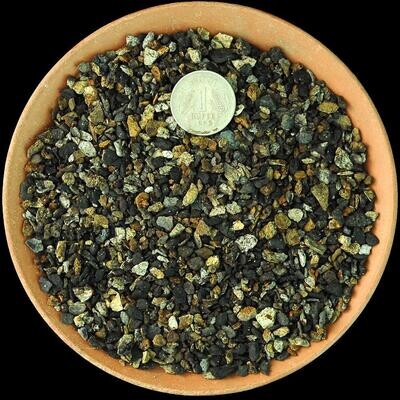
Cactus & Succulent Planting Mix COARSE (aka Cactus Soil Mix or Succulent Soil Mix)
Cactus & Succulent Planting Mix COARSE (aka Cactus Soil Mix or Succulent Soil Mix)
Washed, Free-Draining Mineral Mix for Cactus & Succulents
SKU MNS003
5.0
(1)
₹44.85
Display prices in:INR
