
Categories
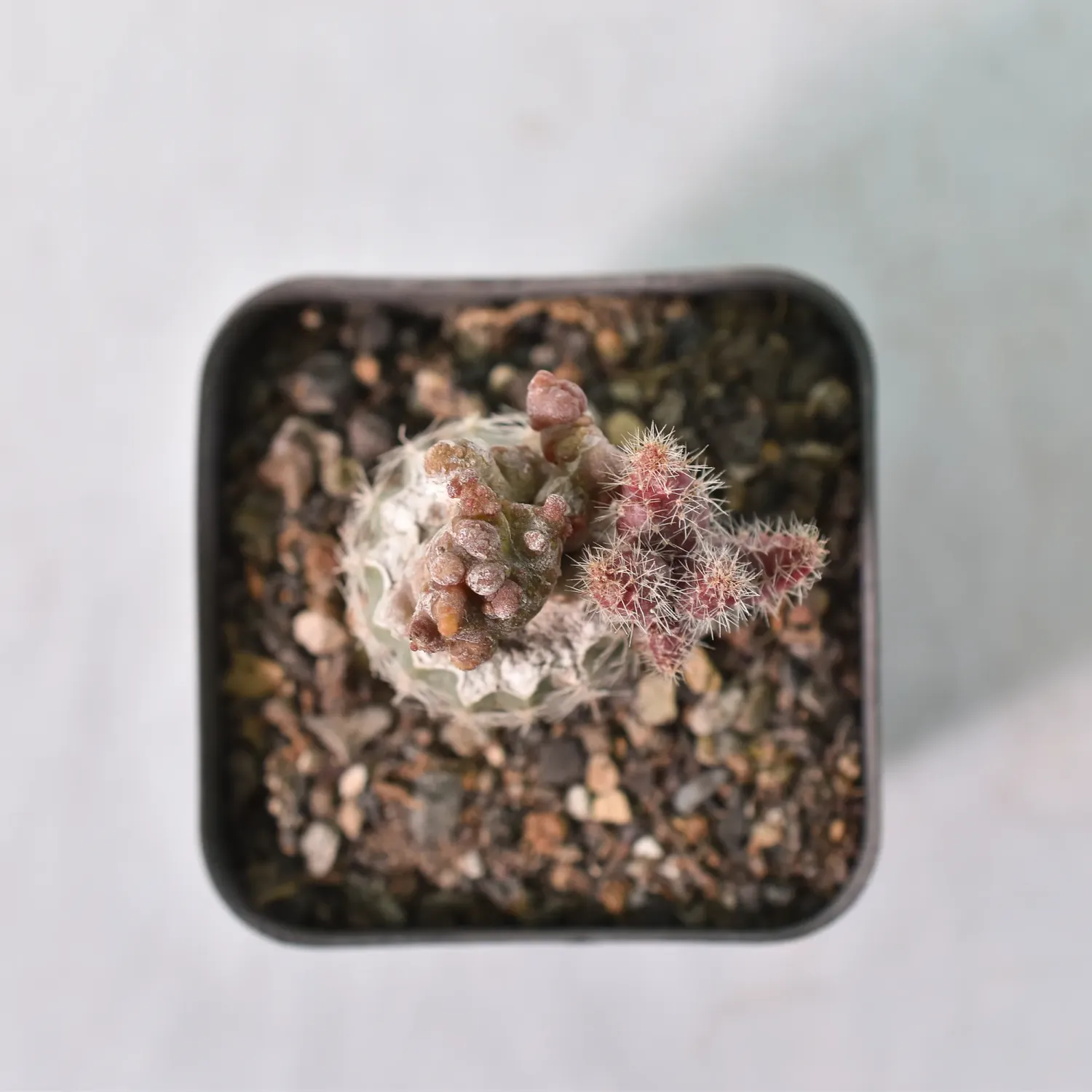
Echinopsis Sp. Cv. CHOCOLATE (forma monstruosa crest)
SKU LET497Ga
₹275.00
Sold out
Sold out
Save this product for later
Customer reviews
Reviews only from verified customers
No reviews yet. You can buy this product and be the first to leave a review.
Echinopsis Sp. Cv. CHOCOLATE (forma monstruosa crest)
Product Details
Indulge Your Collection: Echinopsis sp. cv. CHOCOLATE
A rare, dark-skinned masterpiece that brings a sophisticated, moody aesthetic to any high-end succulent gallery.
- Origin & History of Name: The name Echinopsis is derived from the Greek echinos (hedgehog or sea urchin) and opsis (appearance), referring to the plant's spiny, globose form.
The cultivar name 'CHOCOLATE' is a descriptive horticultural epithet chosen to highlight the specific anthocyanin-rich pigmentation of the epidermis, which transitions from deep bronze to a rich, cocoa-brown under high light intensity. - Morphology: This cultivar is distinguished by its epidermis (outer skin), which lacks the standard chlorophyll-green, appearing dark brown or mahogany. It features prominent costae (ribs) lined with small areoles that produce short, radial spines. Unlike standard variegation, this "chocolate" trait is often a stable mutation affecting the plant's pigments, providing a stark contrast to its large, nocturnal, funnel-shaped flowers.
- Habitat & Origin: Echinopsis sp. cv. CHOCOLATE is a cultivar, not a wild-occurring species.
It is the result of selective breeding programs, likely originating from Asian or European nurseries specializing in color mutations. As a nursery-produced cultivar, it supports sustainability by ensuring collectors do not rely on the poaching of wild South American Cactaceae. - Cultivation Profile:
- Substrate: Use a strictly mineral-based mix (60% inorganic). Combine crushed pumice, perlite, or grit with a small amount of coco-peat to suit the Indian climate.
- Light: Requires bright, indirect sunlight.
In India, 30%–50% shade netting is recommended during peak summer afternoons to prevent epidermal scorching while maintaining the dark "chocolate" hue. - Water/Dormancy: Follow a "soak and dry" cycle. Water thoroughly when the substrate is bone-dry. During the monsoon and winter dormancy, significantly reduce watering to prevent root rot in high-humidity zones like Mumbai or Kolkata.
- Scientific/Historical Anecdote: The genus Echinopsis was once famously merged with Trichocereus and Lobivia.
Early 19th-century botanists were so captivated by their oversized, fragrant blooms—which can grow larger than the plant itself—that they nicknamed them "Easter Lily Cacti." Breeding for dark-skinned cultivars like 'CHOCOLATE' became a major trend in the late 20th century as collectors sought "Gothic" aesthetics in desert flora.
You May Also Like


Cactus & Succulent Planting Mix FINE (aka Cactus Soil Mix or Succulent Soil Mix)
Cactus & Succulent Planting Mix FINE (aka Cactus Soil Mix or Succulent Soil Mix)
Fine-Grain Potting Mix for Cactus & Succulent Roots
SKU MNS001
5.0
(3)
₹39.85
New
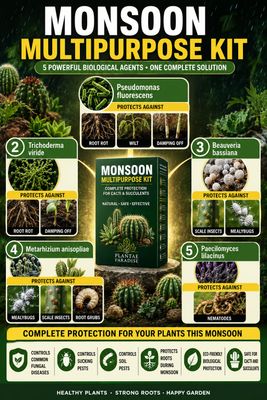
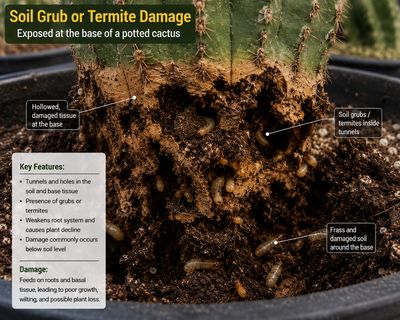
Monsoon Guardian Kit (5 in 1)
Monsoon Guardian Kit (5 in 1)
Complete 5-in-1 biological protection kit for cacti & succulents
SKU MNS024
₹850.00
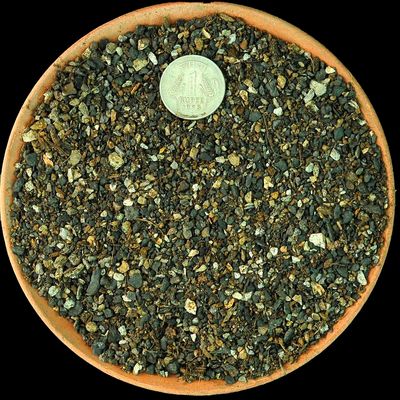
FORTIFIED Cactus & Succulent SOIL (FINE)
FORTIFIED Cactus & Succulent SOIL (FINE)
SKU MNS002
5.0
(4)
₹49.85
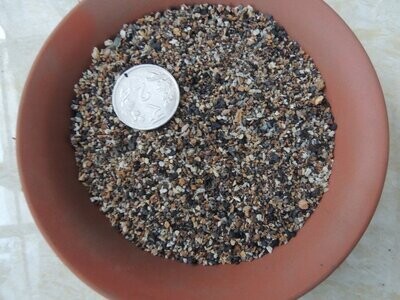
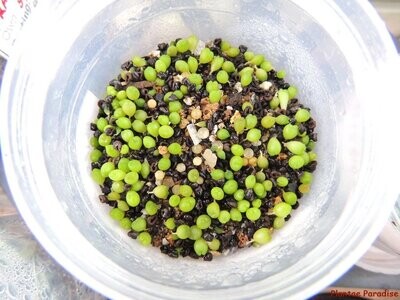
Cactus Seed Planting Mix
Cactus Seed Planting Mix
Sterile, Fine-Grain Media for Cactus & Succulent Seeds
SKU MNS005
₹74.85
Display prices in:INR
