
Categories
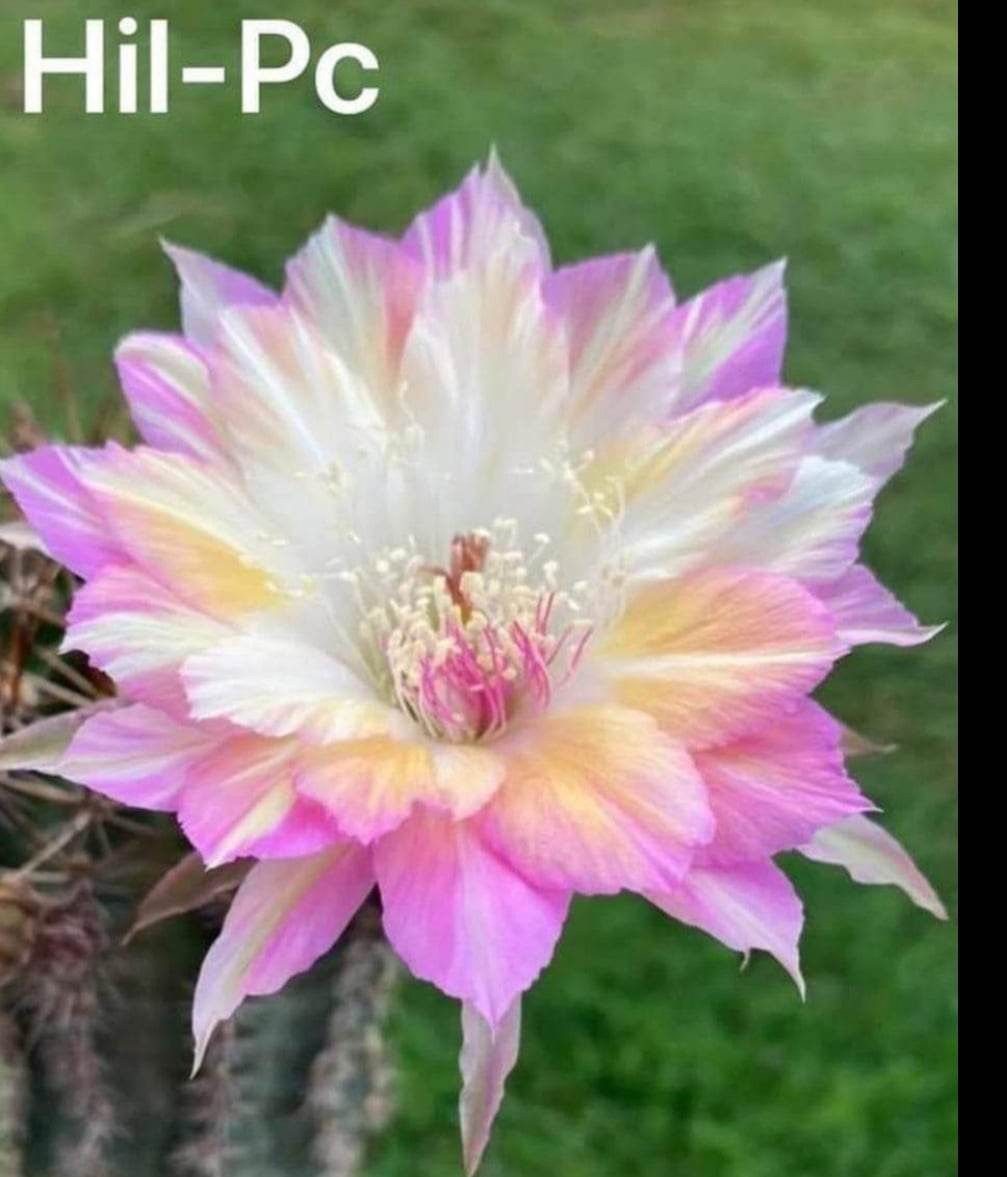
Echinopsis hybrid Hil-PC
SKU LET368
₹850.00
Sold out
Sold out
Save this product for later
Customer reviews
Reviews only from verified customers
No reviews yet. You can buy this product and be the first to leave a review.
Echinopsis hybrid Hil-PC
Product Details
Echinopsis Hybrid 'Hil-PC'
A watercolour flower brought to life — petals washed with lavender-pink, cream, and pale gold blend into one another like pigment bleeding on wet paper, framing a delicate crimson-tipped throat. 'Hil-PC' is proof that a cactus flower can look almost painted rather than grown.
Origin of Name
The genus name Echinopsis comes from the Greek echinos (ἐχῖνος), meaning "hedgehog" or "sea urchin," combined with opsis (ὄψις), meaning "appearance" or "resemblance" — together, "resembling a hedgehog" or "sea-urchin-like," a fitting description of the spiny, globular young growth typical of the genus. The name was coined by German botanist Heinrich Friedrich Zuccarini in 1837, establishing one of the most horticulturally significant genera in the cactus world — one that, through 20th-century reclassification, has since absorbed many formerly separate genera including Lobivia, Trichocereus, and Soehrensia.
The cultivar designation 'Hil-PC' is a hybridizer's working code rather than a formally registered name — most likely referencing a breeder or breeding-line initials ("Hil") paired with a batch or generation marker ("PC"). .
Origin of Plant
The wild Echinopsis lineage spans a broad swath of South America — from Bolivia and Peru through Argentina, Paraguay, and parts of Brazil — where species range from small, clustering globular cacti to larger columnar forms, occupying habitats from high Andean slopes to lower scrubland. Across this range, wild Echinopsis species are known for producing some of the largest and most fragrant flowers in the cactus family, many adapted for pollination by moths or bats during nocturnal or dawn blooming.
'Hil-PC,' however, is a deliberately bred hybrid, not a wild species. It descends from generations of selective crossing among Echinopsis-group parents — including former Lobivia and Trichocereus lines — chosen and refined by hybridizers specifically for flower colour, pattern, and form. Its "origin" is a breeding record rather than a field site: a considered pairing of parent plants whose combined genetics produced this particular blend of pastel tones.
Description
'Hil-PC' produces an exceptionally large, multi-layered flower with a soft, blended colour palette rarely seen in such intensity: petals shift from lavender-pink at the tips through white and pale cream in the mid-zone, warming to soft peach-yellow near the base, with fine pink veining threading through several petals like brushstrokes. The overall effect is closer to a hand-tinted illustration than a typical solid-colour bloom. At the centre, a dense cluster of cream-white stamens surrounds a striking magenta-red stigma, adding a small, vivid focal point against the pastel wash of the petals.
The flower's size and layered petal count are typical of high-quality Echinopsis hybrids bred specifically for show — full, rounded, and dense rather than open and starry. As with most Echinopsis-type blooms, the flower is short-lived, often opening for only a single day, sometimes extending into a second morning before closing for good.
Conservation Status
The Cactaceae family is listed under CITES Appendix II, regulating international trade in wild-collected specimens. As a cultivated hybrid with no counterpart in the wild, 'Hil-PC' presents no conservation concern and typically qualifies for the artificially propagated exemption under CITES when traded commercially.
Care
- Light: Bright light to full sun encourages the strongest, most compact growth and the heaviest flowering; too little light results in stretched growth and fewer blooms.
- Watering: Water thoroughly during the active growing season (spring through early autumn), allowing the soil to dry out completely between waterings. Reduce to minimal watering in winter to support natural dormancy.
- Soil: A fast-draining, mineral-rich cactus mix — heavy on pumice, grit, or coarse sand — is essential. Terracotta pots are preferred over plastic, as their porous walls help excess moisture evaporate rather than linger around the roots.
- Temperature: Grows best between 18–28°C; protect from prolonged frost, though brief cool spells are generally tolerated once established.
- Feeding: A diluted, low-nitrogen, phosphorus-leaning cactus fertilizer during the growing season supports strong bud development.
A Story Worth Telling
Pastel, multi-toned blooms like 'Hil-PC's are among the hardest results for a hybridizer to intentionally produce — flower colour in Echinopsis hybrids is notoriously unpredictable, often shifting or blending in ways that don't fully reveal themselves until the seedling's very first bloom, sometimes years after the original cross was made. A soft gradient like this one, moving convincingly from lavender to cream to peach across a single petal, is usually the product of many failed or ordinary seedlings discarded along the way — making each successful bloom like this one as much a matter of patience and chance as of deliberate design.
You May Also Like
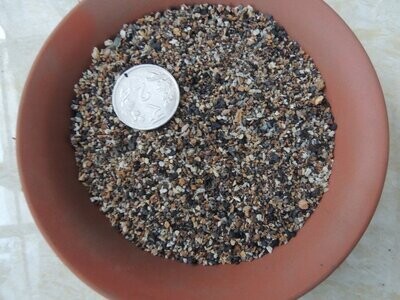
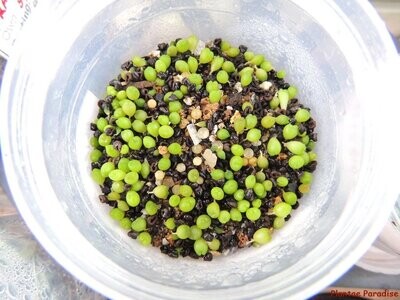
Cactus Seed Planting Mix
Cactus Seed Planting Mix
Sterile, Fine-Grain Media for Cactus & Succulent Seeds
SKU MNS005
₹74.85
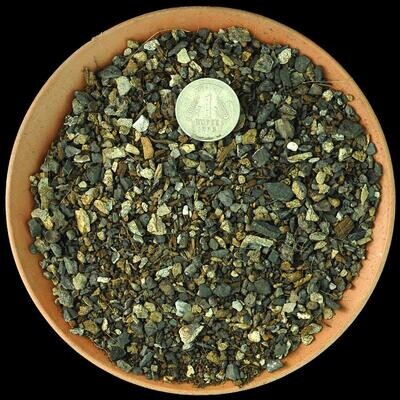
FORTIFIED Cactus & Succulent SOIL (COARSE)
FORTIFIED Cactus & Succulent SOIL (COARSE)
SKU MNS004
5.0
(11)
₹54.85
New
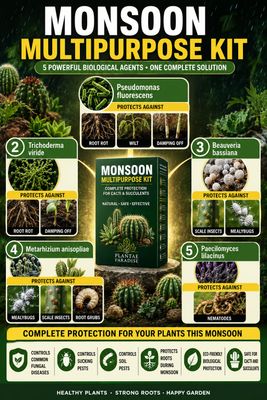
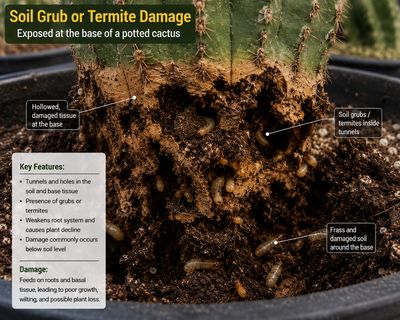
Monsoon Guardian Kit (5 in 1)
Monsoon Guardian Kit (5 in 1)
Complete 5-in-1 biological protection kit for cacti & succulents
SKU MNS024
₹850.00
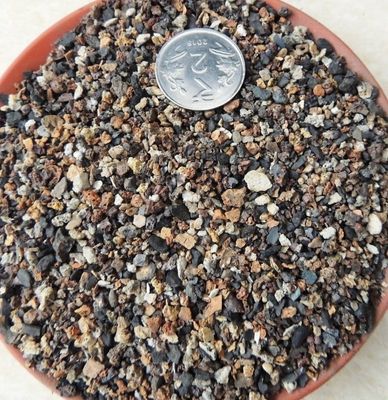
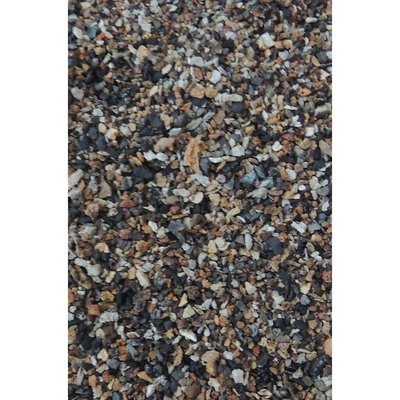
Cactus & Succulent Planting Mix FINE (aka Cactus Soil Mix or Succulent Soil Mix)
Cactus & Succulent Planting Mix FINE (aka Cactus Soil Mix or Succulent Soil Mix)
Fine-Grain Potting Mix for Cactus & Succulent Roots
SKU MNS001
5.0
(3)
₹39.85
Display prices in:INR
