
Categories
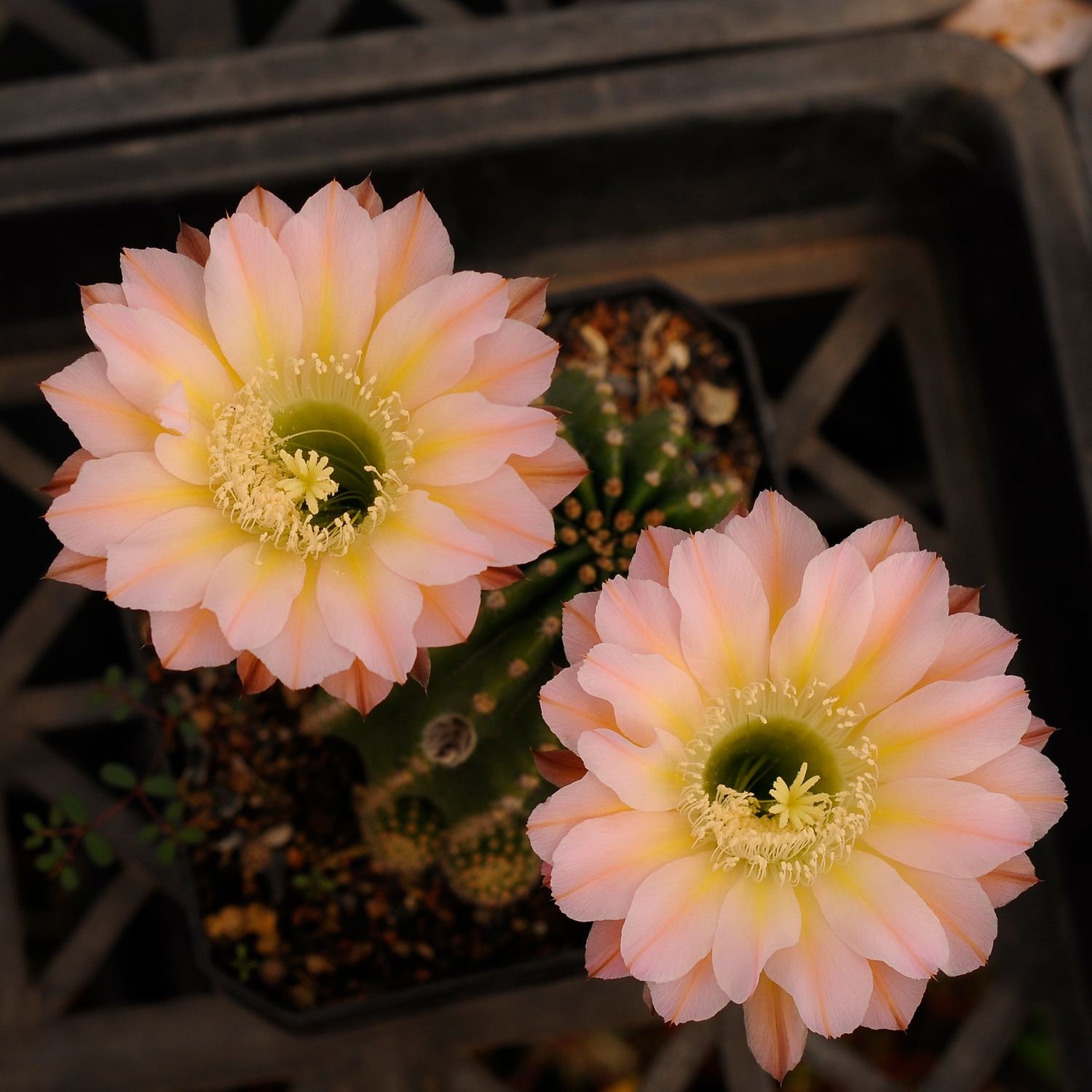
Echinopsis hybrid Romantic Song
SKU LET038
₹450.00
In stock: 1 available
1
Save this product for later
Customer reviews
Reviews only from verified customers
No reviews yet. You can buy this product and be the first to leave a review.
Echinopsis hybrid Romantic Song
Product Details
Variable light pinks !
Echinopsis hybrid 'Romantic Song'
A quietly beautiful bloom for a quiet, poetic name, 'Romantic Song' opens into a wide, softly ruffled flower of pale ivory-white petals washed with cool lemon-green toward the base, radiating out from a deep olive-green throat crowded with creamy stamens. Carried on a low, ribbed, gently tubercled stem, it's a plant that spends most of the year as an unassuming green mound — until, for a day, it opens into something that looks lit from within.
Origin of Name
'Romantic Song' is a trade or nursery cultivar name rather than a formally registered botanical one, and it belongs to a naming style that has become especially common in the modern, large-scale Echinopsis hybrid trade: short, evocative, often poetic English phrases — think 'Beautiful Dreamer', 'Rose Quartz', or 'Romantic Song' itself — chosen to sell a flower on feeling rather than pedigree. Names of this kind are frequently coined by commercial growers, many based in East and Southeast Asia, who mass-propagate large-flowered Echinopsis hybrids for the global houseplant and succulent trade, giving each distinctive seedling a memorable, marketable name rather than a lengthy breeding-record number. As with many hybrids that move through this kind of trade rather than through published institutional breeding programs (unlike, say, the Huntington-documented Schick hybrids), the specific breeder, cross, and coining story behind this exact clone isn't part of any public record.
The name reads, appropriately, like a small piece of romantic poetry attached to a flower that itself behaves like a fleeting love song — appearing for a single glowing day or evening, filling the air with fragrance, and then closing, never to be repeated in quite the same way twice. It's the kind of naming logic cactus hybridizers reach for often: pairing an emotionally resonant phrase to a flower's most memorable quality, in this case its soft, romantic coloring and its brief, cherished appearance.
The genus name Echinopsis, which anchors this hybrid taxonomically, has a well-documented history of its own. It was coined by the German botanist Joseph Gerhard Zuccarini from the Greek echinos ("hedgehog" or "sea urchin") and -opsis ("resembling," "appearance") — a reference to the dense, spiny, globe-shaped bodies typical of the genus. Zuccarini intended the name to describe plants sitting taxonomically between Echinocactus and Cereus. Over the 20th and 21st centuries, Echinopsis absorbed a number of previously separate genera — including the tall, columnar Trichocereus and the smaller Lobivia — through ongoing botanical reclassification, making it today one of the most diverse and most hybridized genera in the entire cactus family, and the umbrella under which nearly all modern large-flowered cactus hybrids, 'Romantic Song' included, are now classified.
Origin of Plant
Like all named Echinopsis cultivars, 'Romantic Song' has no wild habitat of its own — it is a garden- and nursery-bred hybrid, not a species collected from nature. Its genetic heritage, though, traces back to South America, where the wild ancestors of the Echinopsis group are native to Argentina, Bolivia, Peru, Brazil, Paraguay, and Uruguay, growing across desert grasslands, scrubby foothills, and rocky or sandy slopes, sometimes at considerable elevation in the Andes. Twentieth-century hybridizers, beginning with pioneers such as Harry Johnson in the mid-1900s and continuing through specialists like Robert Schick at the Huntington Botanical Gardens, drew on this wild gene pool to create the first generations of large-flowered Echinopsis hybrids. In the decades since, that breeding tradition has expanded dramatically into a global commercial industry, with growers worldwide — many now working at large scale in Asia — continuing to cross and select among these hybrids to produce ever more varied flower colors, forms, and compact, easy-care growth habits, of which 'Romantic Song' is a contemporary example.
Description
'Romantic Song' grows as a low, rounded to short-columnar stem, soft green and marked with well-defined ribs bearing small, gently tubercled areoles rather than long, fierce spines — giving the plant a smooth, approachable texture even up close. Over time it tends to offset from the base, building into a modest clustering mound that stays tidy and compact for most of the year.
The flower is where this plant earns its name. Each bloom opens into a wide, multi-layered rosette of numerous lance-shaped petals, pale ivory to soft white at the tips and washing into a cool, pale lemon-green as they near the center, each petal finely veined in deeper yellow-green. At the heart of the flower, the color deepens abruptly into a rich olive-green throat, from which a dense ring of pale creamy-yellow stamens rises around a paler, slightly domed cluster of stigma lobes. Flowers of this type commonly reach 4 to 6 inches (10–15 cm) across, dramatically oversized relative to the plant's low stem, and — true to Echinopsis form — each bloom is short-lived, typically opening for a single day or evening before fading, with a healthy plant sending up fresh flushes of buds through its flowering season.
Conservation Status
As a cultivated hybrid, 'Romantic Song' has no IUCN Red List status of its own — it exists purely in cultivation, propagated by offsets and cuttings rather than collected from any wild population, and its future depends only on its continued popularity among growers. Its wild Echinopsis ancestors are, for the most part, not currently classified as threatened, though as with cacti generally, international trade in wild-collected specimens is regulated under CITES Appendix II to protect natural populations from over-collection. Choosing nursery-grown hybrids like this one is always the more sustainable way to add a dramatic flowering cactus to a collection.
Care
Light: Bright light is essential for strong flowering — a sunny south- or west-facing window indoors, or several hours of direct sun outdoors. Some shelter from the harshest midday summer sun helps prevent scorching, especially in hot climates.
Watering: Water deeply during the active growing season (spring through early autumn), letting the soil dry out completely between waterings. Cut back sharply in winter, keeping the plant nearly dry while dormant — cold, wet roots are the most common way to lose an Echinopsis to rot.
Soil: Use a fast-draining, mineral-rich cactus mix — a standard cactus potting soil amended with extra pumice, perlite, or coarse sand keeps the roots healthy and helps ward off rot.
Temperature: Thrives in warm weather and handles typical summer heat easily. Keep above roughly 5°C (41°F) in winter where possible; a dry, dormant plant can tolerate brief cooler dips, but protect it from frost.
General tips: Offsets can be removed once rooted, left to callus for a few days, and potted separately to start new plants. Repot every couple of years as the clump fills its container, and feed with a diluted, low-nitrogen cactus fertilizer through the growing season to support strong, generous flowering.
An Interesting Note
There's something quietly fitting about naming so brief and so beautiful a flower after a song. Like a piece of music, an Echinopsis bloom is an event defined by its impermanence — it builds for days as a swelling bud, arrives in a single extraordinary performance, and is gone within hours, never to return in exactly the same form. Growers who tend these plants often speak of learning a flower's rhythm the way one learns a favorite piece of music: watching for the signs a bud is close, staying up or waking early to catch a night-opening bloom at its peak, and treasuring the memory of a flower that, by the next evening, has already folded and faded. A name like 'Romantic Song' captures that experience precisely — not a description of the plant's biology, but of the feeling it leaves behind.
You May Also Like
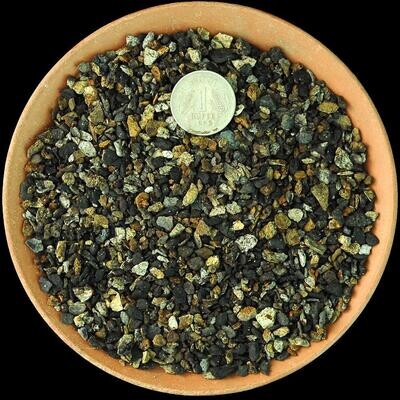
Cactus & Succulent Planting Mix COARSE (aka Cactus Soil Mix or Succulent Soil Mix)
Cactus & Succulent Planting Mix COARSE (aka Cactus Soil Mix or Succulent Soil Mix)
Washed, Free-Draining Mineral Mix for Cactus & Succulents
SKU MNS003
5.0
(1)
₹44.85
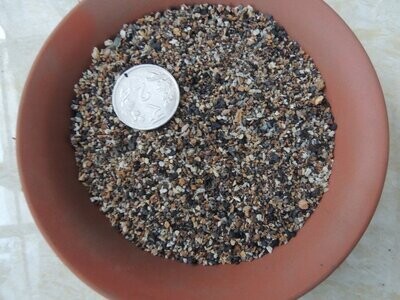
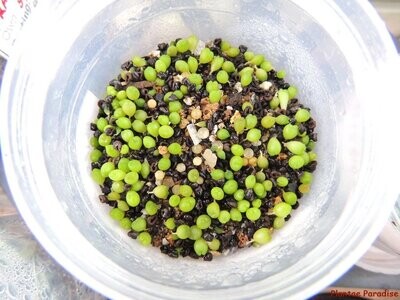
Cactus Seed Planting Mix
Cactus Seed Planting Mix
Sterile, Fine-Grain Media for Cactus & Succulent Seeds
SKU MNS005
₹74.85
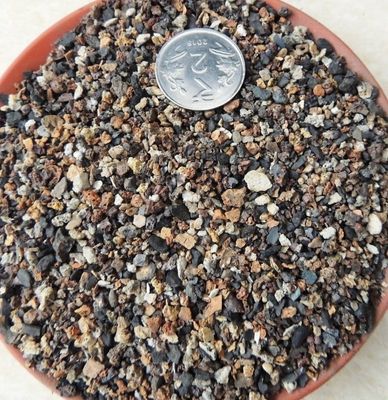
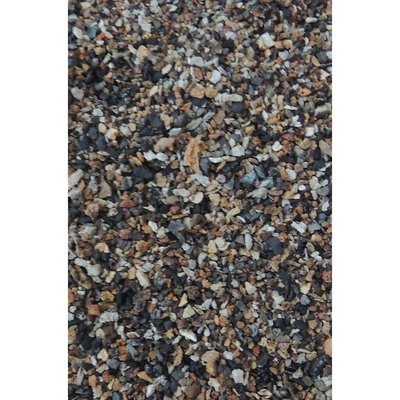
Cactus & Succulent Planting Mix FINE (aka Cactus Soil Mix or Succulent Soil Mix)
Cactus & Succulent Planting Mix FINE (aka Cactus Soil Mix or Succulent Soil Mix)
Fine-Grain Potting Mix for Cactus & Succulent Roots
SKU MNS001
5.0
(3)
₹39.85
New
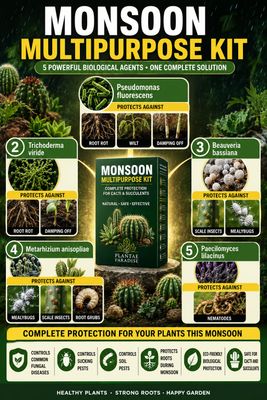
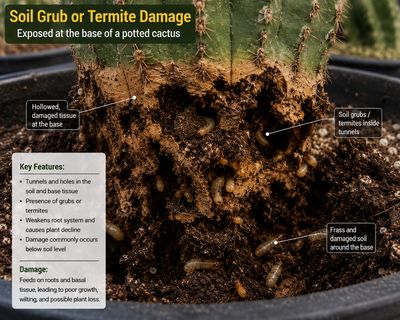
Monsoon Guardian Kit (5 in 1)
Monsoon Guardian Kit (5 in 1)
Complete 5-in-1 biological protection kit for cacti & succulents
SKU MNS024
₹850.00
Display prices in:INR
