
Categories
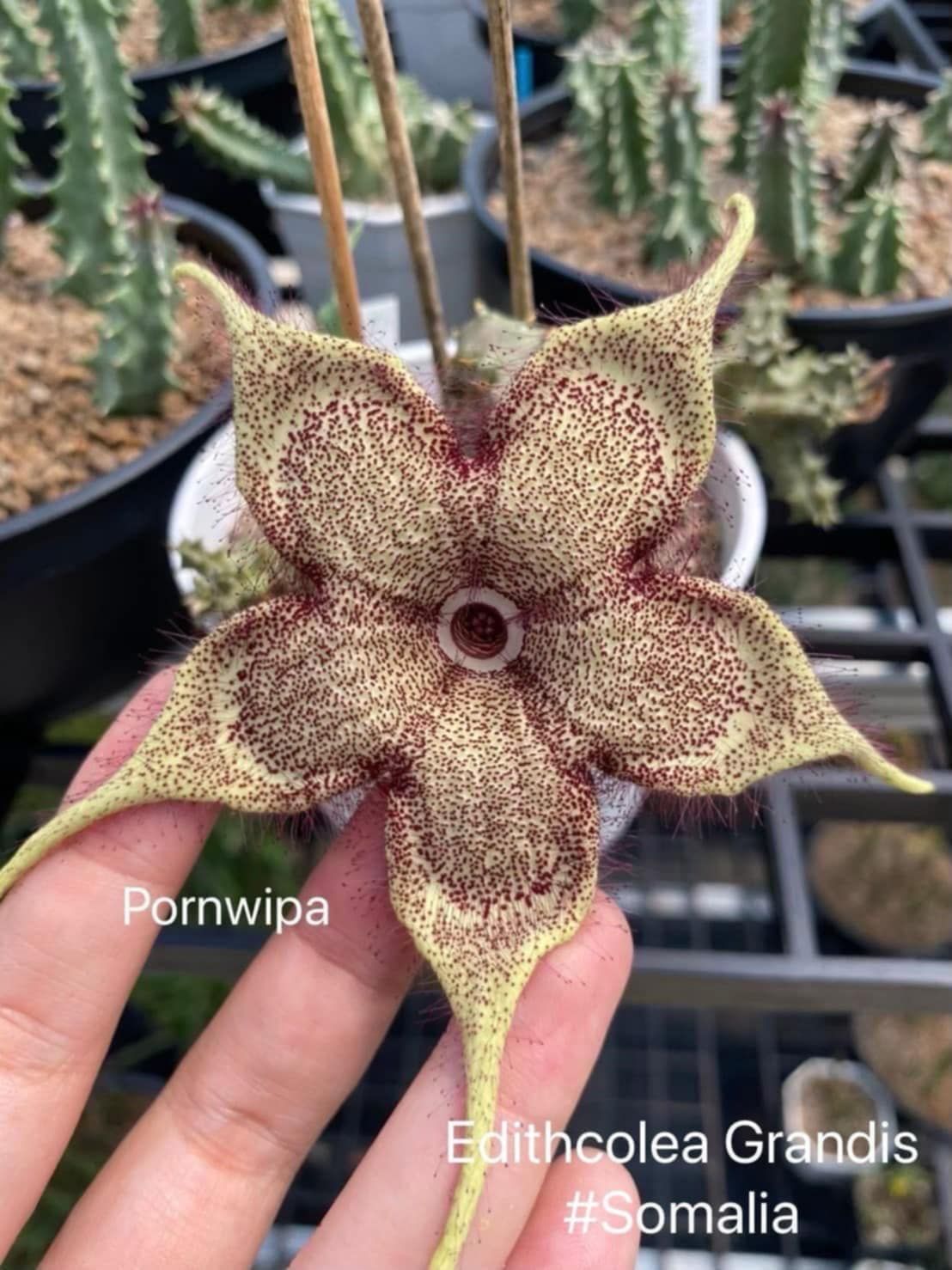
Edithcolea grandis (Somali form)
SKU ASC085
₹200.00
Sold out
Sold out
Save this product for later
Customer reviews
Reviews only from verified customers
No reviews yet. You can buy this product and be the first to leave a review.
Edithcolea grandis (Somali form)
Product Details
Extraterrestrial Geometry: Edithcolea grandis (Somali form)
Possessing the most intricate floral patterns in the succulent kingdom, the Persian Carpet Flower is a pinnacle acquisition for the serious xerophyte collector.
- Origin & History of Name: The genus name Edithcolea was established in 1895 by Nicholas Edward Brown to honor Miss Edith Cole, who discovered the type specimen during a botanical expedition to the Somali coast.
The specific epithet grandis (Latin for "large" or "great") refers to the significant size of its spectacular blooms compared to other members of the Stapeliad group. - Morphology: This succulent features decumbent, 4- to 5-angled stems with a tessellated epidermis ranging from olive green to brownish-red. The costae (ribs) are armed with small, sharp teeth. Its defining feature is the rotate (saucer-shaped) flower, reaching up to 12 cm in diameter, displaying a complex concentric pattern of dark crimson spots on a pale yellow base, rimmed with fine, vibrissae-like hairs.
- Habitat & Origin: This is a wild species endemic to the Horn of Africa, specifically the arid regions of Somalia, Ethiopia, and Kenya. It thrives in gravelly plains and rocky outcrops. Our specimens are nursery-propagated from established mother stock, ensuring the preservation of wild populations in their vulnerable native habitats.
- Cultivation Profile:
- Substrate: Requires a highly porous, mineral-based mix (80% grit, lava rock, or coarse sand). It is extremely sensitive to organic buildup which facilitates fungal pathogens in Indian humidity.
- Light: Provide bright, indirect light or filtered sunlight. In the Indian subcontinent, direct midday sun during April and May can scorch the stems; 50% shade cloth is recommended.
- Water/Dormancy: Water sparingly during the active growing season (March–September). Maintain strict dryness during the winter months. The plant is prone to "black rot" if the substrate remains damp during cool nights or high-monsoon humidity.
- Scientific/Historical Anecdote: Edithcolea grandis is a monotypic genus, meaning it is the only species within its lineage.
To attract its primary pollinators—carrion flies—the plant utilizes "chemical mimicry," emitting a scent reminiscent of decaying organic matter and using its intricate, meat-colored floral patterns to visually deceive insects into landing.
You May Also Like
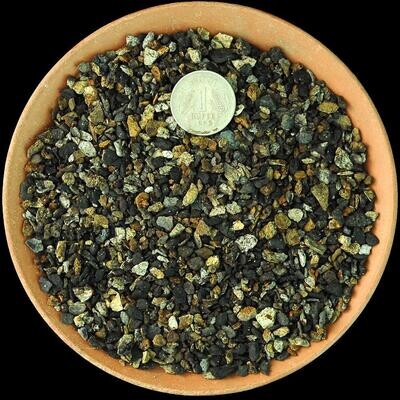
Cactus & Succulent Planting Mix COARSE (aka Cactus Soil Mix or Succulent Soil Mix)
Cactus & Succulent Planting Mix COARSE (aka Cactus Soil Mix or Succulent Soil Mix)
Washed, Free-Draining Mineral Mix for Cactus & Succulents
SKU MNS003
5.0
(1)
₹44.85
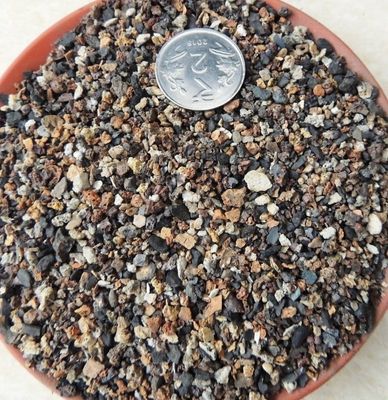
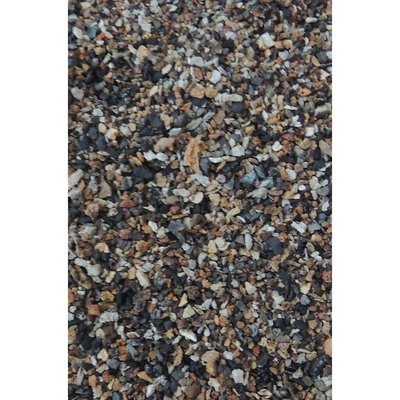
Cactus & Succulent Planting Mix FINE (aka Cactus Soil Mix or Succulent Soil Mix)
Cactus & Succulent Planting Mix FINE (aka Cactus Soil Mix or Succulent Soil Mix)
Fine-Grain Potting Mix for Cactus & Succulent Roots
SKU MNS001
5.0
(3)
₹39.85
New
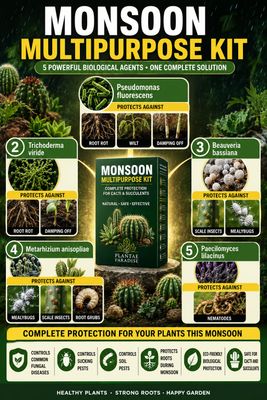
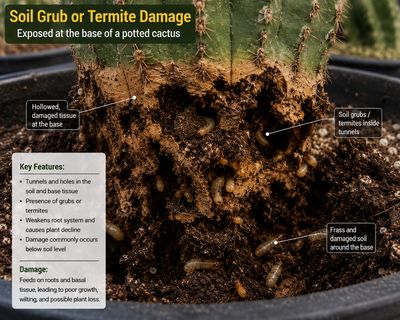
Monsoon Guardian Kit (5 in 1)
Monsoon Guardian Kit (5 in 1)
Complete 5-in-1 biological protection kit for cacti & succulents
SKU MNS024
₹850.00
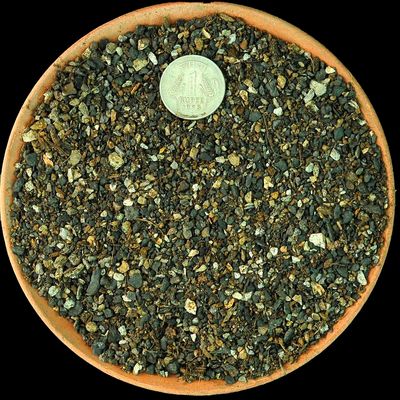
FORTIFIED Cactus & Succulent SOIL (FINE)
FORTIFIED Cactus & Succulent SOIL (FINE)
SKU MNS002
5.0
(4)
₹49.85
Display prices in:INR
