
Categories
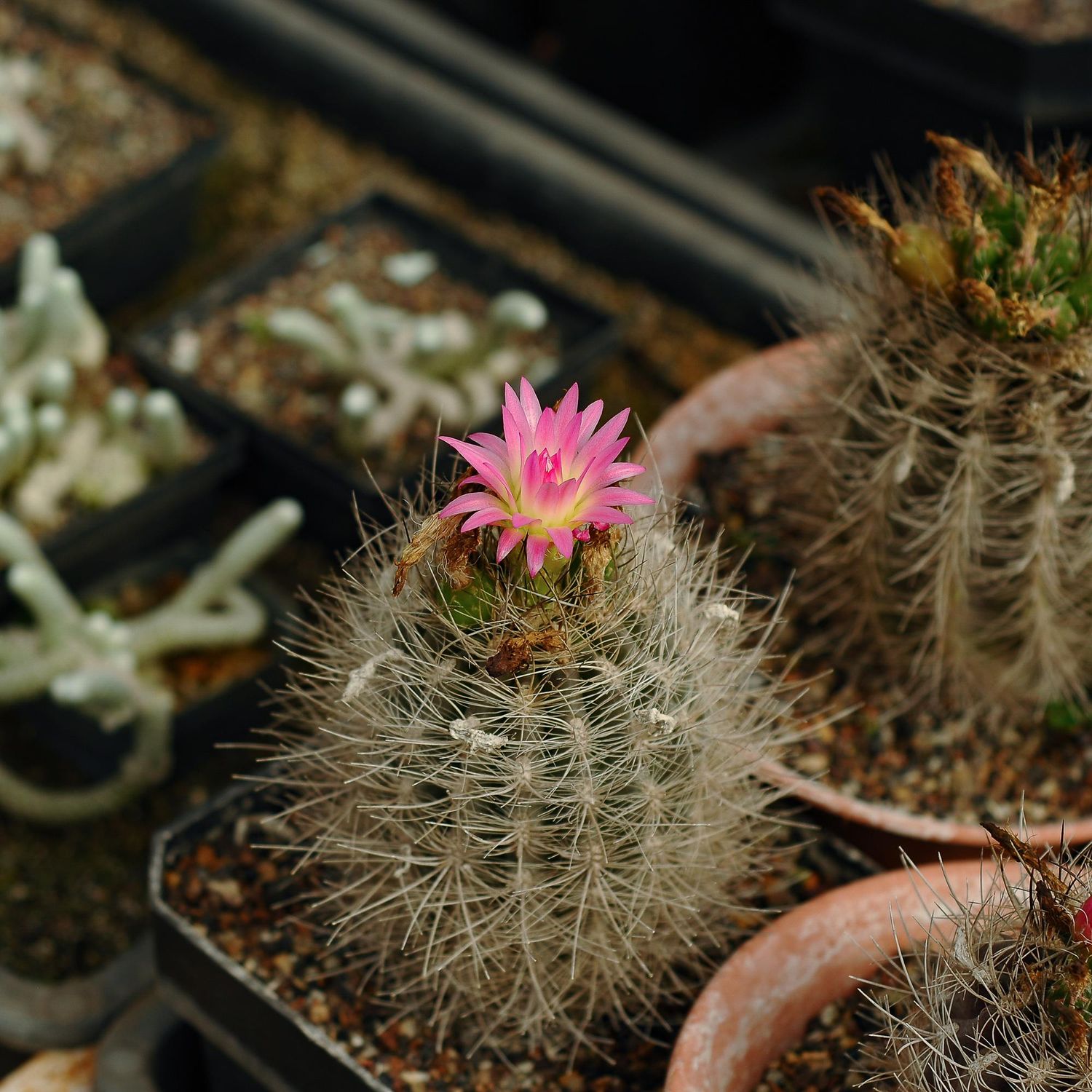
Eriosyce villosa
SKU EY006
₹400.00
In stock: 2 available
1
Save this product for later
Customer reviews
Reviews only from verified customers
No reviews yet. You can buy this product and be the first to leave a review.
Eriosyce villosa
Product Details
Eriosyce villosa: The Velvety Desert Marvel
1. Origin of Name:
The genus "Eriosyce" comes from Greek—"erion," meaning "wool," and "syke," meaning "fig" or "fig tree," referencing the dense, woolly surface of many species within this genus. The species name "villosa" is Latin for "hairy" or "velvety," describing the plant’s soft, woolly texture, often covered in fluffy or velvety spines and down. This name emphasizes its distinctive, plush appearance, making it stand out among other desert cacti as a soft, velvety spectacle.
2. Origin of Plant:
Eriosyce villosa is native to the arid and semi-arid regions of northern Chile and southern Peru, thriving in rocky slopes and gravelly deserts. It has adapted to survive in extreme conditions with intense sunlight, high elevations, and well-drained soils. Its discovery in these remote highlands highlights the remarkable adaptability of desert cacti to harsh environments.
3. Description:
This small to medium-sized cactus features a globular or barrel-shaped body, typically reaching about 4-8 inches in diameter. Its surface is densely covered with fine, woolly or velvety spines, giving it a soft, fluffy appearance. The coloration varies from green to bluish-green, often with a powdery coating that enhances its velvety texture. In spring and summer, it produces vibrant, funnel-shaped flowers—usually in shades of yellow, orange, or red—that bloom at the top, creating a striking contrast against its plush surface. Its charming, velvety look and vibrant blooms make it a prized ornamental species.
4. Conservation Status:
Although not critically endangered, wild populations of Eriosyce villosa are vulnerable to habitat disturbance and illegal collection. Its regional rarity emphasizes the importance of responsible cultivation and propagation to help conserve this beautiful, soft-textured cactus and to prevent overharvesting from its native habitats.
5. Care:
To cultivate Eriosyce villosa successfully:
- Watering: Water sparingly, allowing the soil to dry out completely between waterings. Reduce or withhold water during the winter months.
- Soil: Use a sandy, well-draining cactus or mineral mix with added coarse sand or gravel for optimal drainage.
- Light: Requires full sun or very bright, direct sunlight for at least 4-6 hours daily to maintain color and encourage flowering.
- Temperature: Prefers warm temperatures between 60°F (15°C) and 85°F (29°C). Protect from frost—bring indoors or insulate during colder periods.
- Tips: Fertilize lightly during the growing season with a cactus fertilizer. Check regularly for pests like scale or mealybugs.
Eriosyce villosa captivates with its soft, velvety surface and vibrant floral display, embodying the beauty and adaptability of high-altitude desert flora. Its charming, plush appearance makes it an exceptional addition for cactus collectors seeking a unique, tactile, and visually striking plant rooted in the rugged landscapes of South America.
You May Also Like
New
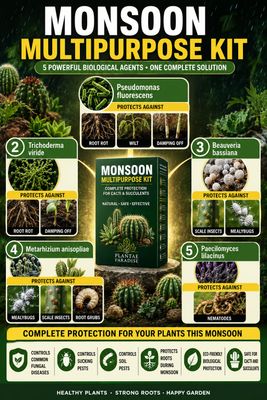
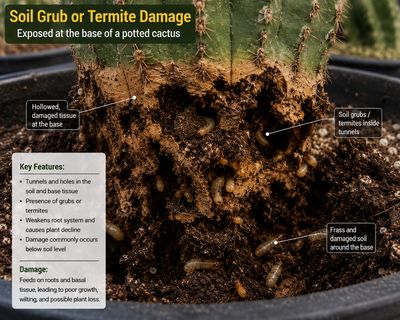
Monsoon Guardian Kit (5 in 1)
Monsoon Guardian Kit (5 in 1)
Complete 5-in-1 biological protection kit for cacti & succulents
SKU MNS024
₹850.00

Cactus & Succulent Planting Mix COARSE (aka Cactus Soil Mix or Succulent Soil Mix)
Cactus & Succulent Planting Mix COARSE (aka Cactus Soil Mix or Succulent Soil Mix)
Washed, Free-Draining Mineral Mix for Cactus & Succulents
SKU MNS003
5.0
(1)
₹44.85
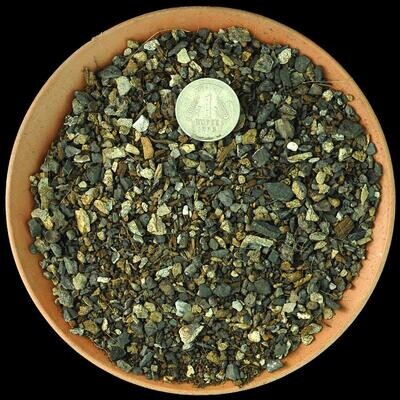
FORTIFIED Cactus & Succulent SOIL (COARSE)
FORTIFIED Cactus & Succulent SOIL (COARSE)
SKU MNS004
5.0
(11)
₹54.85

FORTIFIED Cactus & Succulent SOIL (FINE)
FORTIFIED Cactus & Succulent SOIL (FINE)
SKU MNS002
5.0
(4)
₹49.85
Display prices in:INR
