
Categories
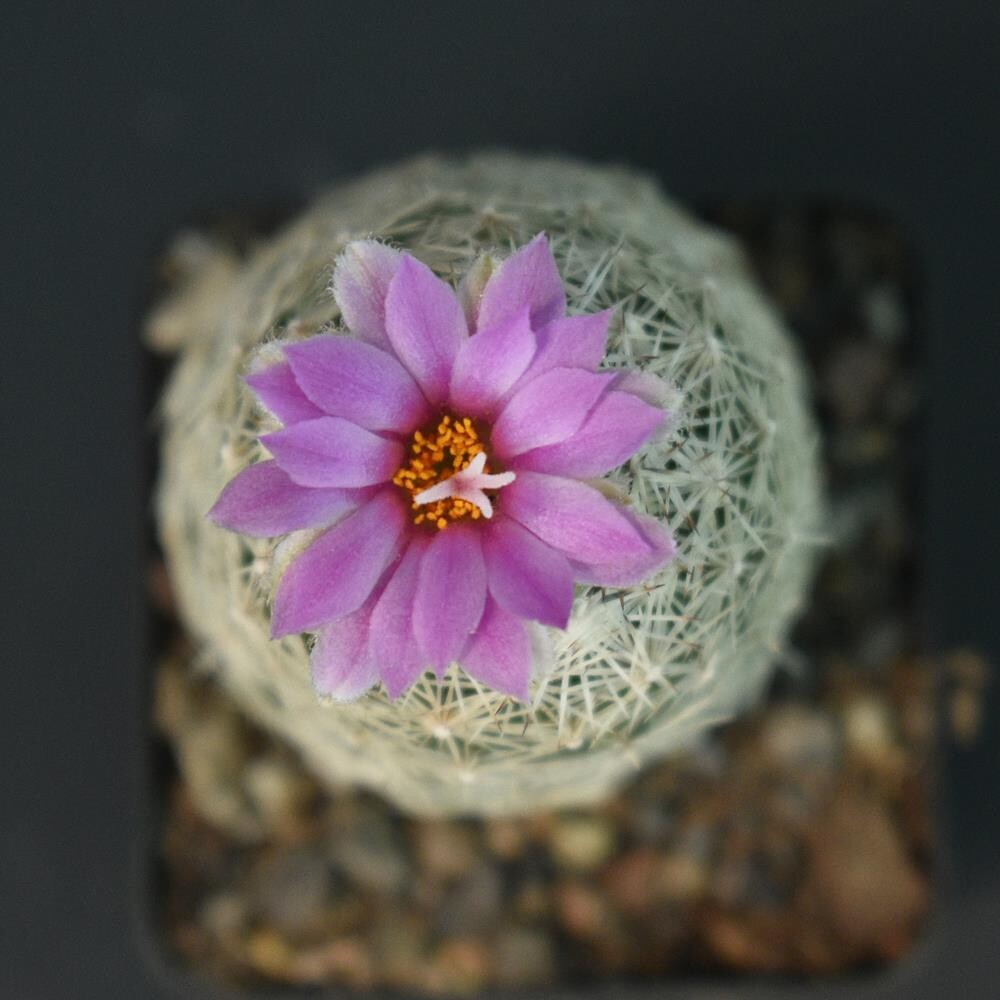
Escobaria Hesteri Subs. Grata (Escobaria grata)
SKU EB005
₹550.00
In stock: 1 available
1
Save this product for later
Customer reviews
Reviews only from verified customers
No reviews yet. You can buy this product and be the first to leave a review.
Escobaria Hesteri Subs. Grata (Escobaria grata)
Product Details
Escobaria hesteri subs. grata (Escobaria grata)
1. Origin of Name:
The genus Escobaria is named in honor of the Escobar brothers, celebrated Mexican botanists known for their extensive work on North American cacti. The species hesteri commemorates the botanist and horticulturist Harold E. Hester, recognizing his contributions to succulent studies. The subspecies grata is derived from Latin, meaning "pleasing" or "agreeable," which aptly describes its appealing form and delightful blooms. Sometimes referred to simply as Escobaria grata, this name highlights the plant’s connection to both its botanical history and its horticultural charm.
2. Origin of Plant:
Escobaria hesteri subs. grata is native to the southwestern United States and northern Mexico, where it thrives in rocky outcrops and desert landscapes. This cactus is accustomed to harsh sunlight, well-draining soil, and minimal water, making it well-suited to arid environments. Discovered in regions renowned for their biodiversity and vibrant cactus communities, this plant is a testament to the adaptability and resilience of desert flora.
3. Description:
This small, globular cactus features cylindrical to ovoid stems adorned with tightly packed tubercles, each topped with radial clusters of short, white spines. In spring, Escobaria hesteri subs. grata rewards growers with beautiful, funnel-shaped, pink to magenta flowers that emerge from the top of the cactus, creating a striking contrast against the textured green body. The plant typically reaches 1-3 inches in height and width, making it ideal for rock gardens, desert landscapes, or as a compact accent in a succulent collection. Its capability to form clusters over time enhances its visual appeal and adds dimension to plant displays.
4. Conservation Status:
While not widely cultivated, Escobaria hesteri subs. grata is not currently considered endangered but does face threats from habitat loss due to land development and agricultural encroachment. Efforts to cultivate and propagate this species in botanical gardens and nurseries support its conservation and help maintain healthy populations in the wild.
5. Care:
- Watering: Water cautiously during the growing season, allowing the soil to dry thoroughly between waterings. During winter, reduce watering significantly to prevent rot.
- Soil: Prefers a well-draining cactus or succulent mix, augmented with gravel or sand to replicate its native environment.
- Light: Thrives in full sun to partial shade; several hours of daily sunlight encourages flowering and robust growth.
- Temperature: Best suited to warm temperatures between 60°F and 80°F (15°C to 27°C). Though hardy to occasional cold snaps, protection from prolonged frost is advisable.
- Additional Tips: Feed with a diluted cactus fertilizer during the growing season. Its easy-to-care-for nature makes it suitable for enthusiasts and novices alike, looking to explore the fascinating world of desert cacti.
You May Also Like
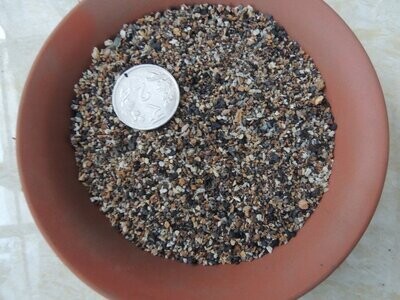
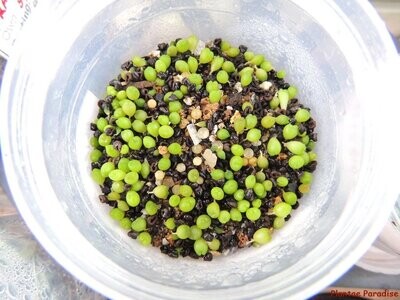
Cactus Seed Planting Mix
Cactus Seed Planting Mix
Sterile, Fine-Grain Media for Cactus & Succulent Seeds
SKU MNS005
₹74.85
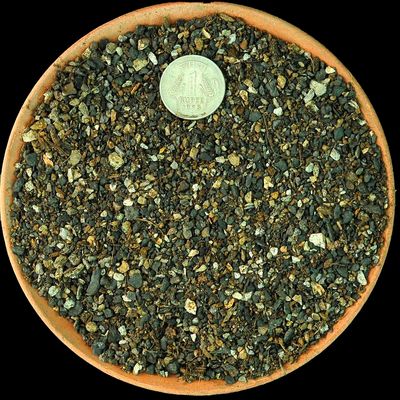
FORTIFIED Cactus & Succulent SOIL (FINE)
FORTIFIED Cactus & Succulent SOIL (FINE)
SKU MNS002
5.0
(4)
₹49.85
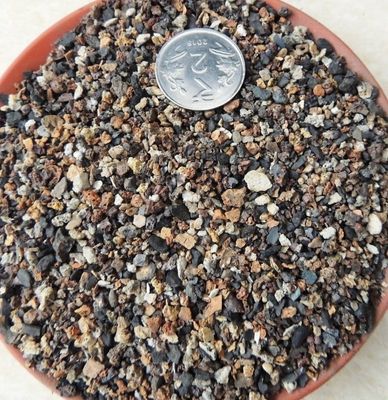
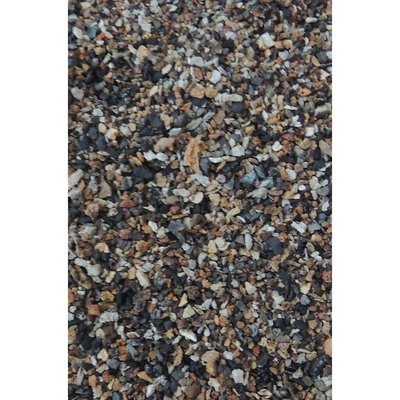
Cactus & Succulent Planting Mix FINE (aka Cactus Soil Mix or Succulent Soil Mix)
Cactus & Succulent Planting Mix FINE (aka Cactus Soil Mix or Succulent Soil Mix)
Fine-Grain Potting Mix for Cactus & Succulent Roots
SKU MNS001
5.0
(3)
₹39.85
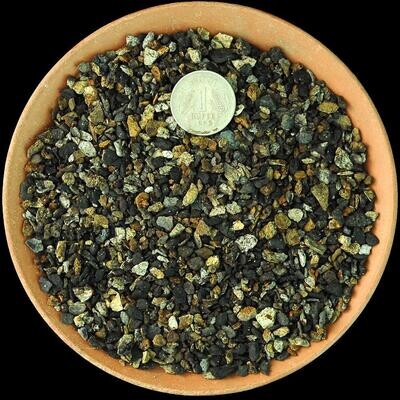
Cactus & Succulent Planting Mix COARSE (aka Cactus Soil Mix or Succulent Soil Mix)
Cactus & Succulent Planting Mix COARSE (aka Cactus Soil Mix or Succulent Soil Mix)
Washed, Free-Draining Mineral Mix for Cactus & Succulents
SKU MNS003
5.0
(1)
₹44.85
Display prices in:INR
