
Categories
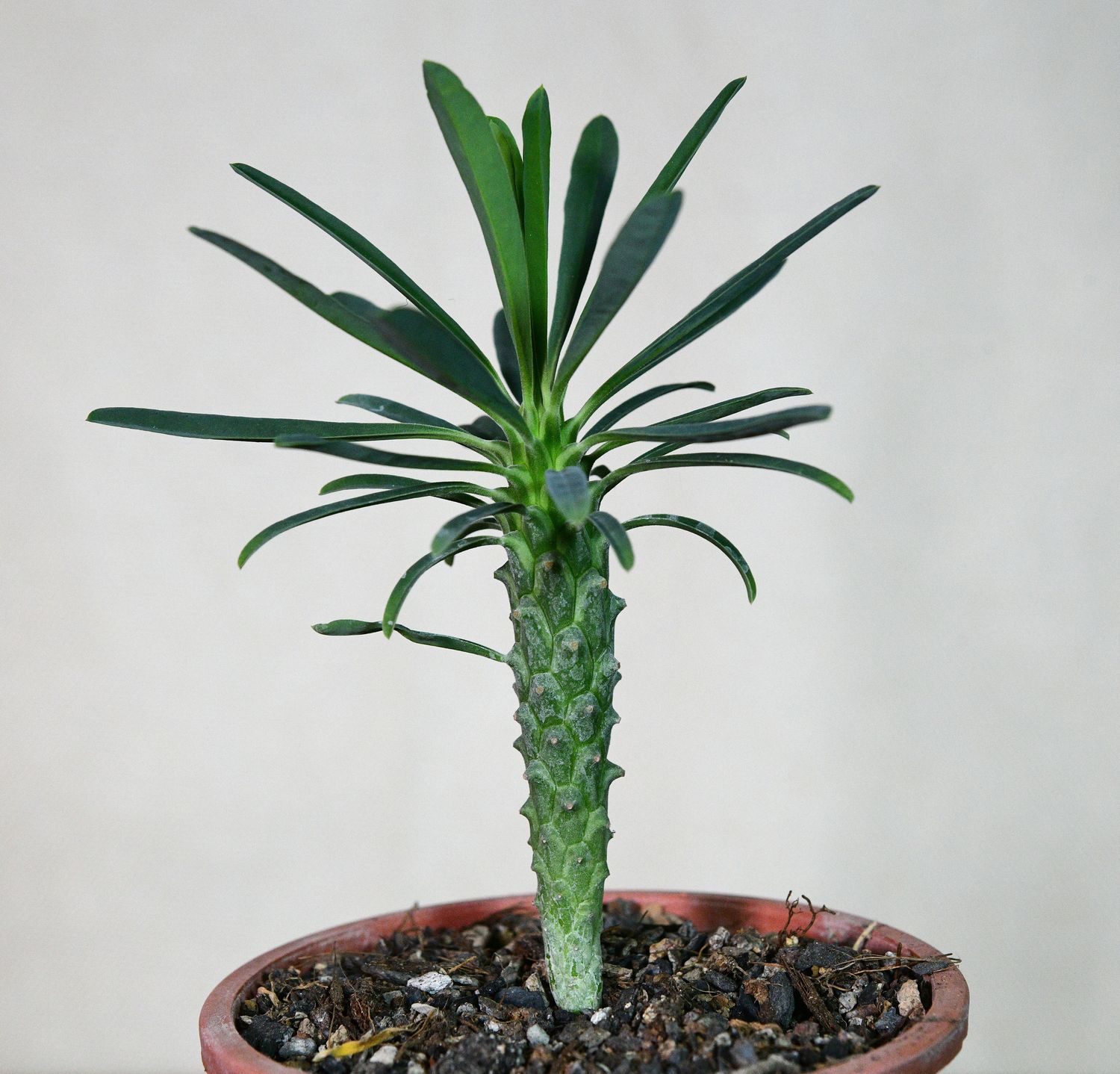
Euphorbia clandestina
SKU EU109
₹350.00
Sold out
Sold out
Save this product for later
Customer reviews
Reviews only from verified customers
No reviews yet. You can buy this product and be the first to leave a review.
Euphorbia clandestina
Product Details
Origin of Name
The genus Euphorbia is named after Euphorbus, the Greek physician to King Juba II of Mauretania, who is said to have used a Euphorbia species for medicinal purposes in the 1st century BCE. The species name clandestina comes from the Latin word "clandestinus," meaning "hidden" or "secret," referring to the plant’s inconspicuous flowers and its tendency to grow in hard-to-reach places. This name reflects the plant’s elusive nature and its ability to thrive in rocky, remote environments. Euphorbia clandestina was first described in the 19th century by botanists exploring the diverse flora of South Africa.
Origin of Plant
Euphorbia clandestina is native to the rocky, arid regions of the Western Cape in South Africa, where it thrives in well-draining, sandy, and rocky soils. This succulent is often found growing in crevices and on steep slopes, where it is protected from harsh winds and intense sunlight. South Africa is known for its rich biodiversity, and Euphorbia clandestina is part of the unique Cape Floristic Region, one of the world’s most diverse plant kingdoms. The plant was first discovered during botanical expeditions in the 19th century, when explorers were documenting the region’s extraordinary flora. Its natural habitat is characterized by hot, dry summers and cool, wet winters, making it a hardy and adaptable species.
Description
Euphorbia clandestina is a small, compact succulent with a unique, columnar growth habit. Its stems are thick, cylindrical, and covered in small, spiny protrusions, giving it a textured, almost sculptural appearance. The plant typically grows to a height of 6-12 inches (15-30 cm), making it a perfect choice for container gardening or as part of a mixed succulent arrangement. The stems are a vibrant green, often with a bluish or purplish hue, especially when exposed to bright sunlight. In the spring and summer, Euphorbia clandestina produces small, inconspicuous yellow-green flowers that emerge from the top of the stems, adding a subtle touch of color to its already impressive form. The plant’s unique shape and coloration make it a standout addition to any succulent collection.
Conservation Status
Euphorbia clandestina is considered a rare species in the wild, and like many plants from South Africa’s Cape Floristic Region, it is vulnerable to habitat loss due to urbanization, agriculture, and invasive species. While it is not currently listed as endangered, conservation efforts are crucial to protect its natural habitat and ensure its survival. When purchasing this plant, it is important to source it from reputable growers who propagate it ethically to avoid impacting wild populations.
Care
- Light: Prefers bright, indirect sunlight but can tolerate some direct sun. Gradually acclimate to full sun to prevent sunburn.
- Water: Water sparingly, allowing the soil to dry out completely between waterings. Overwatering can lead to root rot.
- Soil: Requires a well-draining cactus or succulent soil mix. Sandy or rocky soils are ideal.
- Temperature: Thrives in warm temperatures (70-90°F / 21-32°C) but can tolerate cooler temperatures down to 50°F (10°C). Protect from frost.
- Fertilizer: Feed with a diluted cactus fertilizer during the growing season (spring and summer) once a month.
- Propagation: Can be propagated from stem cuttings. Allow cuttings to callous over before planting in well-draining soil.
Interesting Anecdote
Euphorbia clandestina is part of the diverse Euphorbia family, which includes over 2,000 species ranging from small succulents to large trees. One fascinating aspect of Euphorbias is their ability to produce a milky sap, known as latex, which can be toxic and irritating to the skin. This sap has been used historically in traditional medicine, but it also serves as a defense mechanism against herbivores. The Cape Floristic Region, where Euphorbia clandestina is native, is one of the world’s biodiversity hotspots, home to thousands of plant species found nowhere else on Earth. The region’s unique climate and geography have led to the evolution of many remarkable plants, including this elusive succulent.
Add the Euphorbia clandestina to your collection and enjoy its unique, sculptural beauty and resilience. Perfect for succulent enthusiasts and collectors of rare plants!
You May Also Like
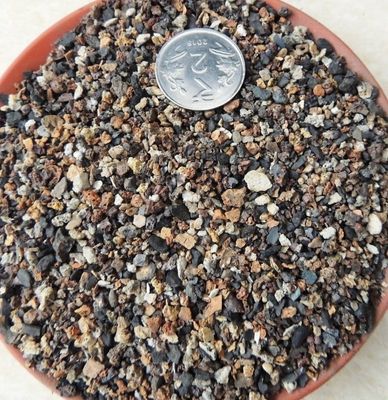
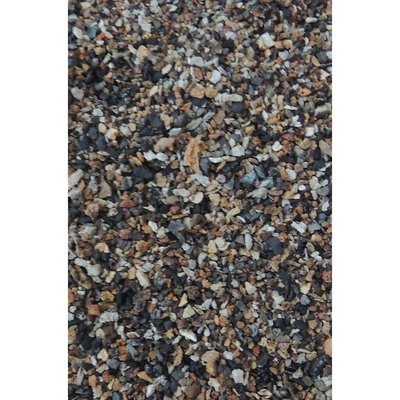
Cactus & Succulent Planting Mix FINE (aka Cactus Soil Mix or Succulent Soil Mix)
Cactus & Succulent Planting Mix FINE (aka Cactus Soil Mix or Succulent Soil Mix)
Fine-Grain Potting Mix for Cactus & Succulent Roots
SKU MNS001
5.0
(3)
₹39.85
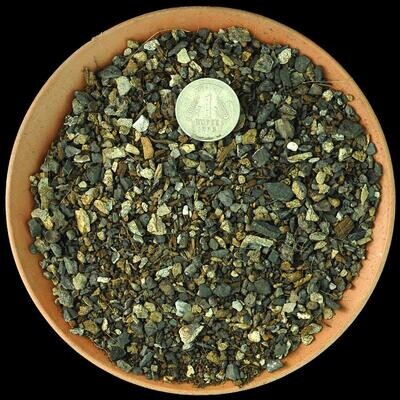
FORTIFIED Cactus & Succulent SOIL (COARSE)
FORTIFIED Cactus & Succulent SOIL (COARSE)
SKU MNS004
5.0
(11)
₹54.85
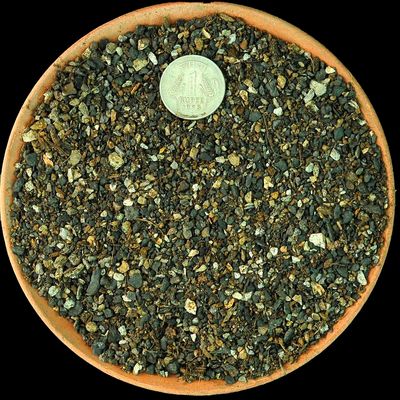
FORTIFIED Cactus & Succulent SOIL (FINE)
FORTIFIED Cactus & Succulent SOIL (FINE)
SKU MNS002
5.0
(4)
₹49.85
New

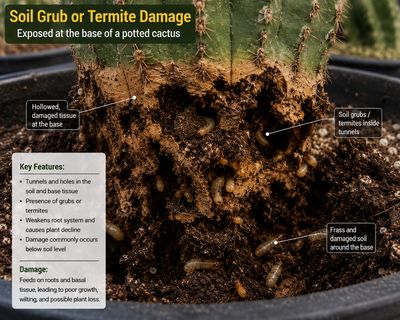
Monsoon Guardian Kit (5 in 1)
Monsoon Guardian Kit (5 in 1)
Complete 5-in-1 biological protection kit for cacti & succulents
SKU MNS024
₹850.00
Display prices in:INR
