
Categories
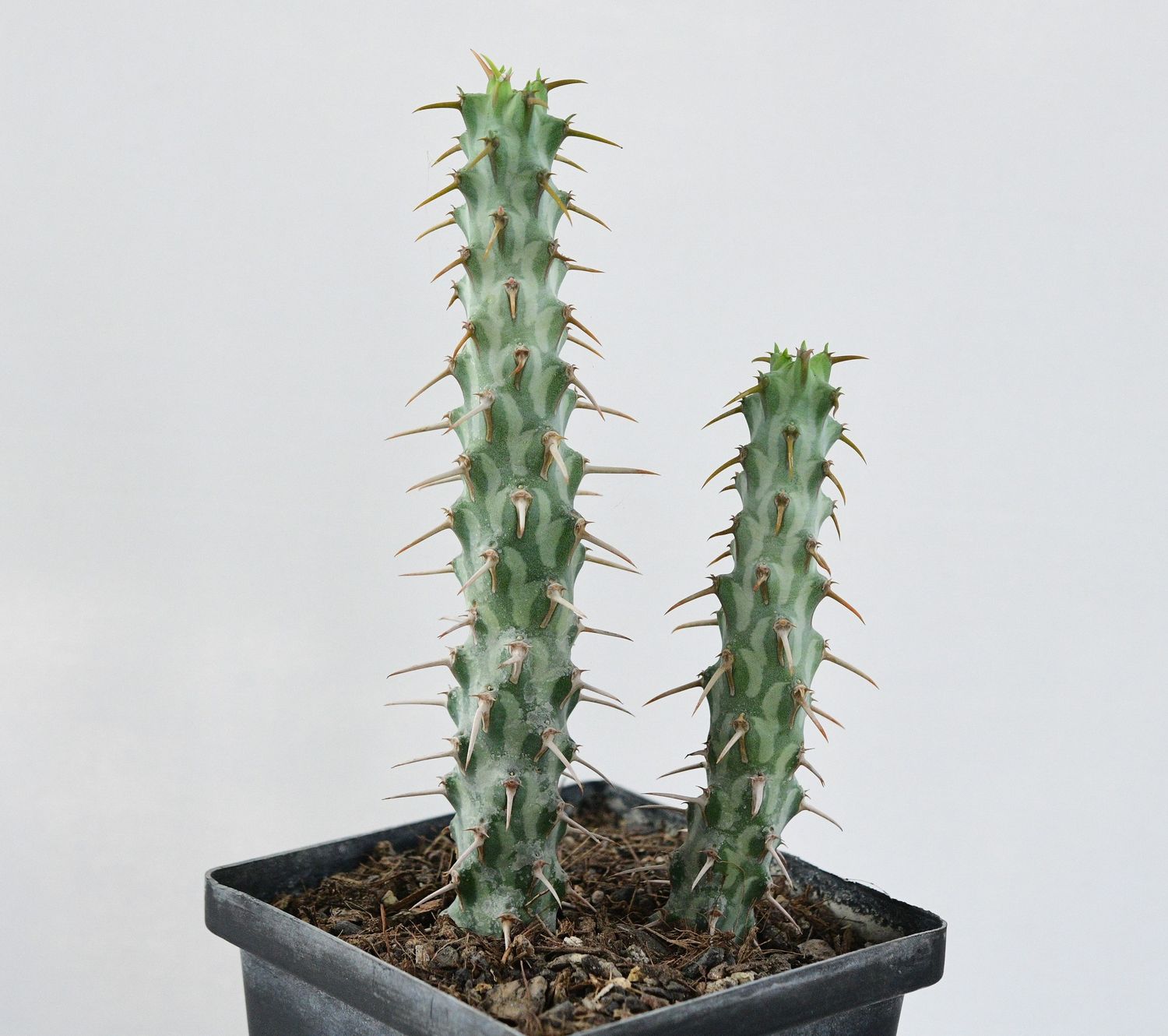
Euphorbia erigavensis
SKU EU055
₹550.00
In stock: 1 available
1
Save this product for later
Customer reviews
Reviews only from verified customers
No reviews yet. You can buy this product and be the first to leave a review.
Euphorbia erigavensis
Product Details
Sculptural Rarity: Euphorbia erigavensis
An architectural treasure from the Horn of Africa, this species offers a robust, geometric aesthetic ideal for the serious succulent collector.
1. Origin & History of Name The specific epithet erigavensis is a geographical toponym referencing the Erigavo (now Ceerigaabo) region in the Sanaag province of Somalia. It was formally described by British botanist Susan Carter Holmes in 1992 within the Nordic Journal of Botany, distinguishing it as a unique species within the diverse Somali flora.
2. Morphology This species manifests as a densely branching, succulent shrublet, forming compact, cushion-like mounds.
3. Habitat & Origin Euphorbia erigavensis is a wild species native to the limestone slopes and Juniperus forest zones of Northern Somalia.
4. Cultivation Profile
- Substrate: strictly requires a porous, mineral-heavy mix. Use 70% inorganic material (pumice, perlite, or river grit) and 30% cactus compost to prevent root rot.
- Light: Thrives in bright, indirect sunlight to full sun. In the Indian context, provide filtered shade during the intense midday heat of May and June to prevent epidermal scorching.
- Water/Dormancy: Follow the "soak and dry" method during the growing season. Strictly withhold water during the winter dormancy and protect from humidity during the monsoon season to avoid fungal infections.
5. Scientific/Historical Anecdote The genus Euphorbia is named after Euphorbus, the Greek physician to King Juba II of Numidia (circa 50 BC – 23 AD), who allegedly used the potent, toxic latex found in these plants for medicinal purposes. This latex is a convergent evolutionary trait shared with unrelated plants like milkweeds, serving as a powerful chemical defense against herbivores.
You May Also Like
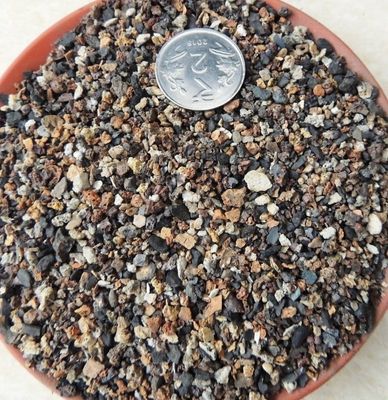
Cactus & Succulent Planting Mix FINE (aka Cactus Soil Mix or Succulent Soil Mix)
Cactus & Succulent Planting Mix FINE (aka Cactus Soil Mix or Succulent Soil Mix)
Fine-Grain Potting Mix for Cactus & Succulent Roots
SKU MNS001
5.0
(3)
₹39.85
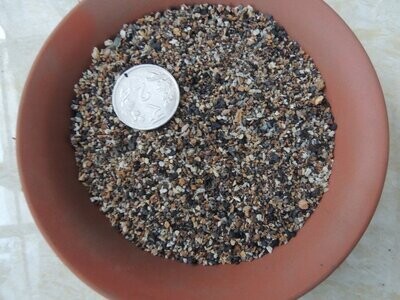
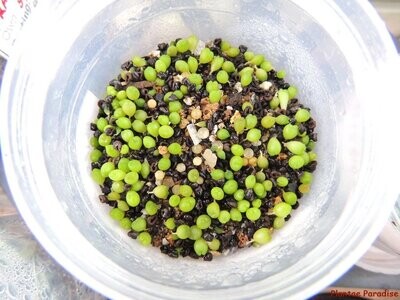
Cactus Seed Planting Mix
Cactus Seed Planting Mix
Sterile, Fine-Grain Media for Cactus & Succulent Seeds
SKU MNS005
₹74.85
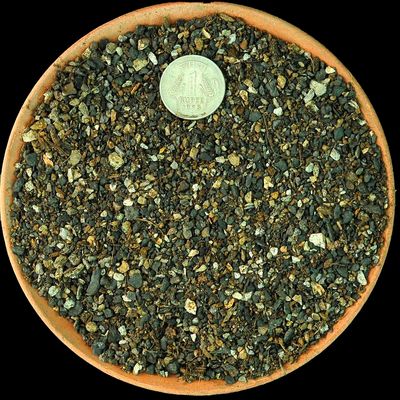
FORTIFIED Cactus & Succulent SOIL (FINE)
FORTIFIED Cactus & Succulent SOIL (FINE)
SKU MNS002
5.0
(4)
₹49.85
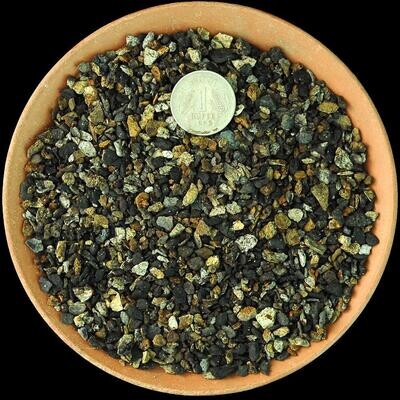
Cactus & Succulent Planting Mix COARSE (aka Cactus Soil Mix or Succulent Soil Mix)
Cactus & Succulent Planting Mix COARSE (aka Cactus Soil Mix or Succulent Soil Mix)
Washed, Free-Draining Mineral Mix for Cactus & Succulents
SKU MNS003
5.0
(1)
₹44.85
Display prices in:INR
