
Categories
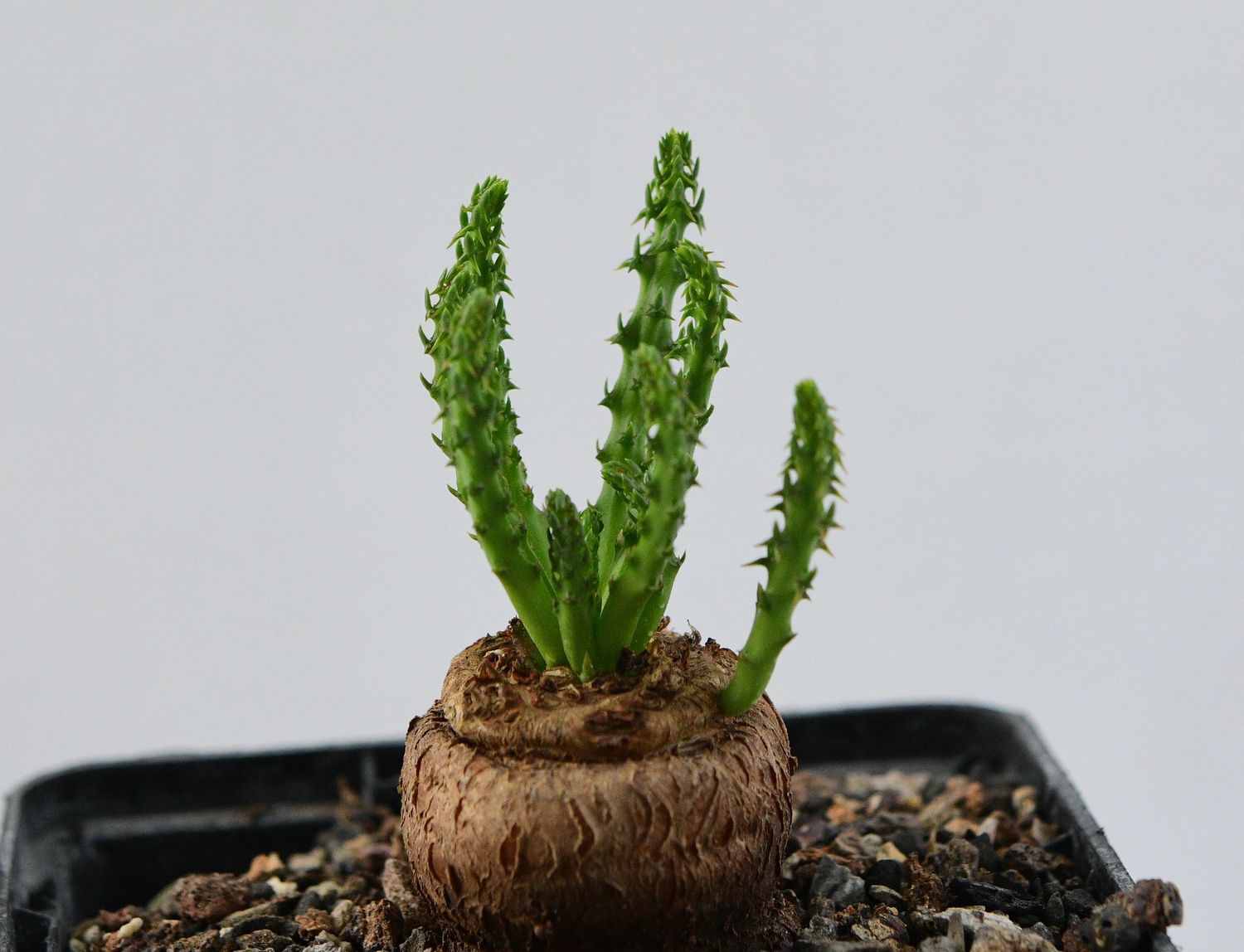
Euphorbia fanshawei
SKU EU171
₹3 980.00
Sold out
Sold out
Save this product for later
Customer reviews
Reviews only from verified customers
No reviews yet. You can buy this product and be the first to leave a review.
Euphorbia fanshawei
Product Details
Euphorbia fanshawei
Origin of Name:
Euphorbia fanshawei is named in honor of Sir Maurice Fanshawe, a distinguished British botanist and explorer whose contributions to plant discovery and taxonomy spanned the early to mid-20th century. The species epithet fanshawei pays tribute to his work in cataloging succulent plants from southern Africa, particularly in regions of Namibia and South Africa. The genus Euphorbia traces its name to Euphorbus, the Greek physician of King Juba II, who documented medicinal uses of this plant family over 2,000 years ago. The choice of the name reflects both the plant’s botanical heritage and its connection to explorers who expanded our understanding of desert flora.
Origin of Plant:
Euphorbia fanshawei originates from arid southern Africa, particularly from regions in Namibia and South Africa’s Namaqualand. Discovered during botanical expeditions in the 1920s and 1930s, it was collected by explorers exploring the rugged, semi-desert landscapes where it thrives in rocky, well-drained soils. This species is well-adapted to drought conditions and intense sunlight, thriving on steep slopes and rocky outcrops where water drainage is rapid and soil nutrients are minimal. Its hardy nature and striking form have made it a prized specimen among succulent collectors around the world.
Description:
This captivating succulent features a dense cluster of thick, tuberous stems that form a rounded, somewhat bushy shape. The stems are a stunning shade of gray-green, often adorned with a pattern of white, powdery farina coating that gives it a frosted appearance. During flowering, Euphorbia fanshawei produces bright yellow, miniature, star-shaped flowers (cyathia) that contrast beautifully against its subdued stems. Its unique, sculptural form—resembling a miniature, spiny shrub—makes it an eye-catching specimen for rock gardens, containers, or desert landscapes alike. Its resilience and ornamental appeal have made it a favorite among succulent enthusiasts seeking unusual and easy-to-care-for plants.
Conservation Status:
Currently, Euphorbia fanshawei is not threatened or endangered and is cultivated widely in botanical gardens and private collections. However, its native habitats face threats from climate change and land use changes. Responsible cultivation and propagation through ethically sourced seeds or cuttings are encouraged to support conservation efforts and preserve its natural populations.
Care:
Euphorbia fanshawei prefers a well-draining soil—such as a cactus or succulent mix with sand or gravel—favoring rocky substrates similar to its native habitat. It requires plenty of bright, direct sunlight—aim for at least 4-6 hours daily—to maintain its vibrant color and promote flowering. Water sparingly; allow the soil to dry completely between waterings, especially during winter dormancy. It is highly drought-tolerant but sensitive to overwatering, which can cause root rot. In cooler climates, grow in pots and bring indoors during cold weather, keeping temperatures above 45°F. Fertilize lightly during the active season with a diluted cactus fertilizer. With optimal care, this plant will reward you with its striking form and cheerful blooms, adding character to any collection.
Interesting Fact:
The name Euphorbia also hints at the plant’s historical medicinal use, as some Euphorbia species have been used traditionally for their purgative properties. Despite its toxicity, Euphorbia fanshawei remains a symbol of desert resilience and botanical ingenuity, showcasing nature’s ability to adapt and thrive in extreme environments.
You May Also Like
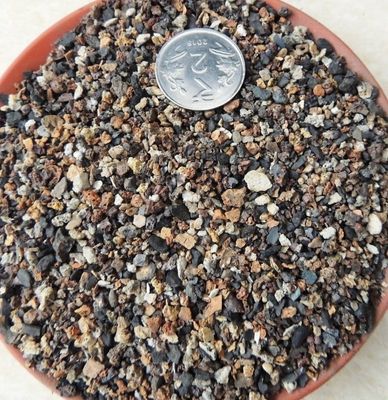
Cactus & Succulent Planting Mix FINE (aka Cactus Soil Mix or Succulent Soil Mix)
Cactus & Succulent Planting Mix FINE (aka Cactus Soil Mix or Succulent Soil Mix)
Fine-Grain Potting Mix for Cactus & Succulent Roots
SKU MNS001
5.0
(3)
₹39.85

Cactus & Succulent Planting Mix COARSE (aka Cactus Soil Mix or Succulent Soil Mix)
Cactus & Succulent Planting Mix COARSE (aka Cactus Soil Mix or Succulent Soil Mix)
Washed, Free-Draining Mineral Mix for Cactus & Succulents
SKU MNS003
5.0
(1)
₹44.85


Cactus Seed Planting Mix
Cactus Seed Planting Mix
Sterile, Fine-Grain Media for Cactus & Succulent Seeds
SKU MNS005
₹74.85

FORTIFIED Cactus & Succulent SOIL (FINE)
FORTIFIED Cactus & Succulent SOIL (FINE)
SKU MNS002
5.0
(4)
₹49.85
Display prices in:INR
