
Categories
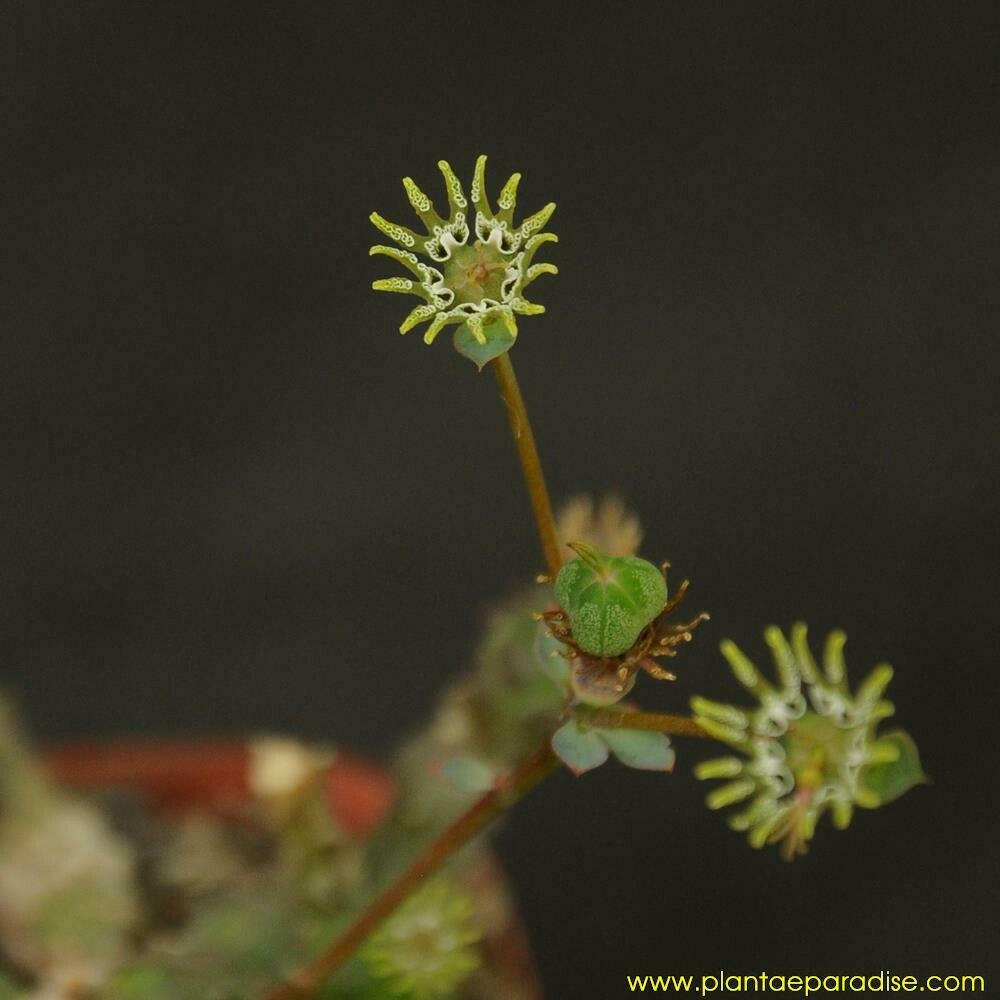
Euphorbia globosa
SKU EU069a
₹450.00
In stock: 1 available
1
Save this product for later
Customer reviews
Reviews only from verified customers
No reviews yet. You can buy this product and be the first to leave a review.
Euphorbia globosa
Product Details
The Living Sculpture: Euphorbia globosa
A geometric marvel for the discerning collector, this South African treasure mimics a cluster of stone-like spheres.
- Origin & History of Name: The genus name Euphorbia honors Euphorbus, the Greek physician to King Juba II of Numidia, who reportedly used the plant's milky sap for medicinal purposes.
The specific epithet globosa is derived from the Latin globosus, meaning "spherical" or "globular," directly referencing the plant’s unique segmented growth habit. - Morphology: This dwarf succulent is characterized by its globose (round) or elongated segments that form dense, low-growing mats.
Each segment features a dull green epidermis and lacks the sharp spines common in the genus; instead, it possesses small, deciduous leaves and persistent peduncles (flower stalks) that remain after blooming. The "flowers" are actually cyathia, a specialized inflorescence structure unique to Euphorbias. - Habitat & Origin: Euphorbia globosa is a wild species native to the Eastern Cape Province of South Africa.
It typically grows in rocky outcrops or flat, sandy areas. All our specimens are nursery-propagated via offsets or seed to ensure the protection of wild populations and promote sustainable trade within the hobby. - Cultivation Profile:
- Substrate: Use a strictly mineral-based mix (70% grit/pumice/perlite, 30% organic matter). In the humid Indian climate, ensuring rapid drainage is critical to prevent root rot.
- Light: Bright, indirect light or filtered morning sun. During peak Indian summers (April–June), provide 50% shade cloth to avoid scorching the epidermis.
- Water & Dormancy: Water deeply when the medium is completely dry during the growing season. In the monsoon, withhold water if humidity is high. During winter dormancy, keep the plant almost entirely dry.
- Scientific/Historical Anecdote: While it looks like a cactus, Euphorbia globosa is a classic example of convergent evolution. Despite being unrelated to the Cactaceae family of the Americas, it evolved a similar succulent, leafless form to survive in the arid environments of South Africa, demonstrating how different lineages solve the problem of water scarcity in nearly identical ways.
You May Also Like
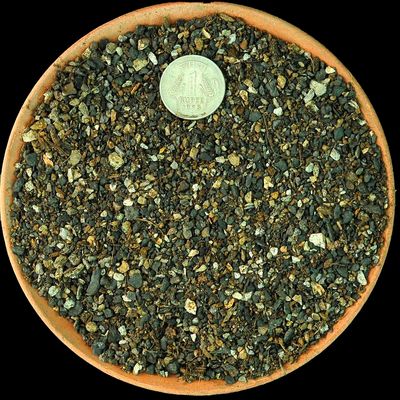
FORTIFIED Cactus & Succulent SOIL (FINE)
FORTIFIED Cactus & Succulent SOIL (FINE)
SKU MNS002
5.0
(4)
₹49.85
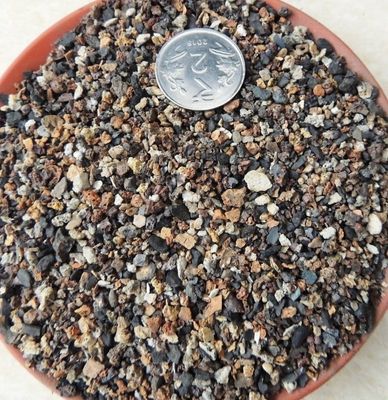
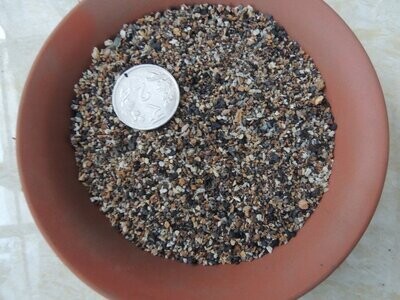
Cactus & Succulent Planting Mix FINE (aka Cactus Soil Mix or Succulent Soil Mix)
Cactus & Succulent Planting Mix FINE (aka Cactus Soil Mix or Succulent Soil Mix)
Fine-Grain Potting Mix for Cactus & Succulent Roots
SKU MNS001
5.0
(3)
₹39.85
Cactus Seed Planting Mix
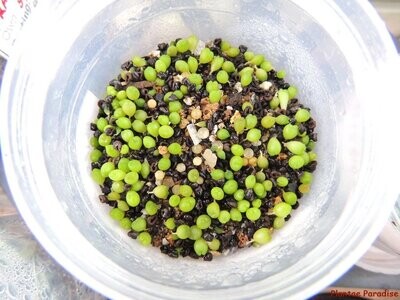
Cactus Seed Planting Mix
Sterile, Fine-Grain Media for Cactus & Succulent Seeds
SKU MNS005
₹74.85
FORTIFIED Cactus & Succulent SOIL (COARSE)
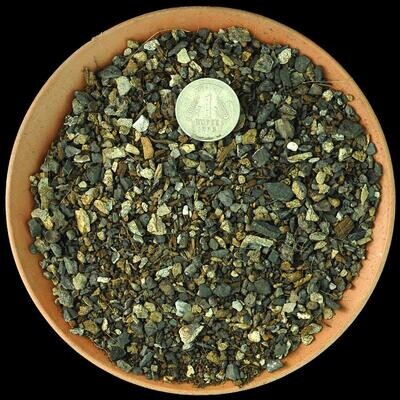
FORTIFIED Cactus & Succulent SOIL (COARSE)
SKU MNS004
5.0
(11)
₹54.85
Display prices in:INR
