
Categories
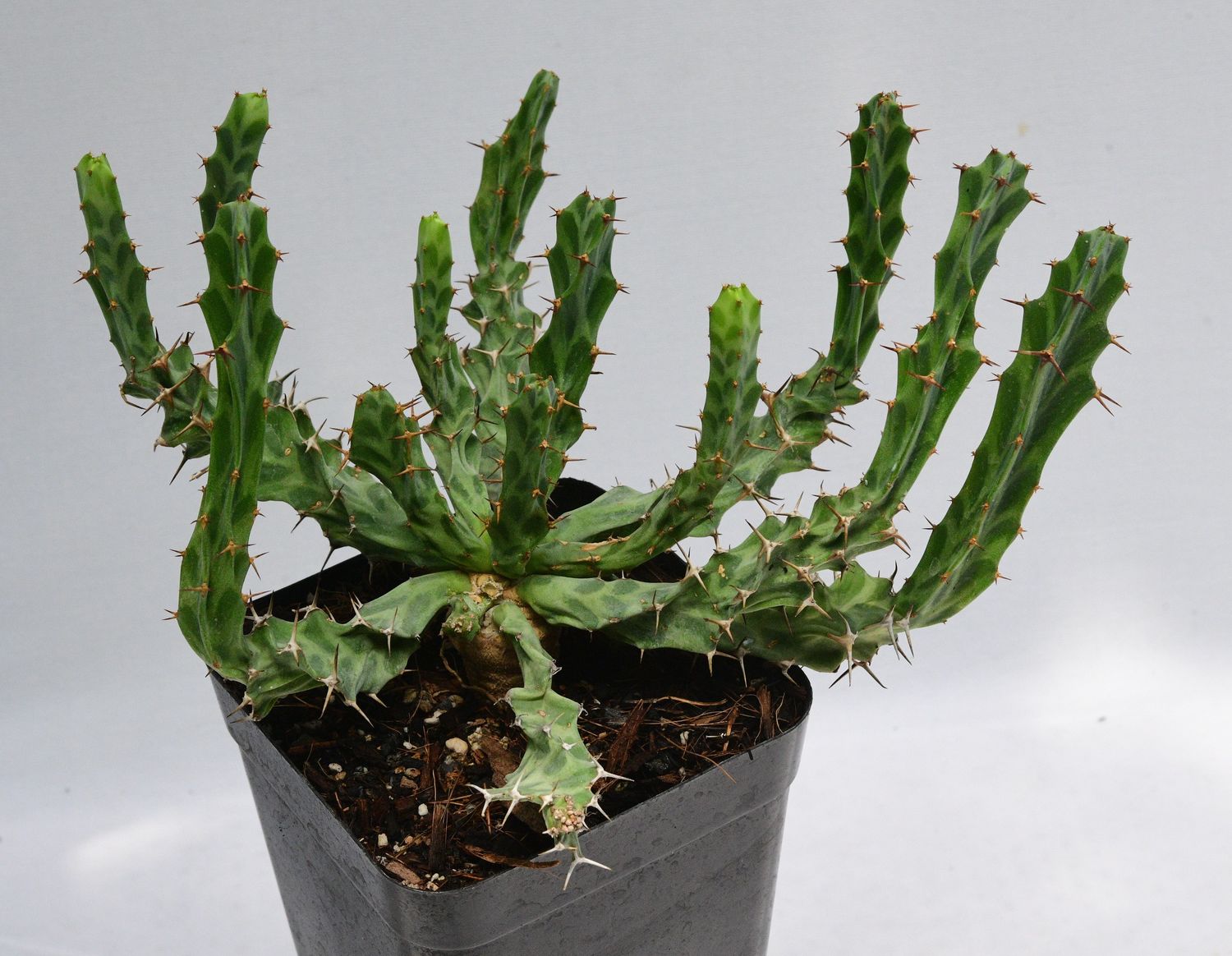
Euphorbia persistens
SKU EU175
₹3 700.00
In stock: 1 available
1
Save this product for later
Customer reviews
Reviews only from verified customers
No reviews yet. You can buy this product and be the first to leave a review.
Euphorbia persistens
Product Details
The Architect’s Choice: Euphorbia persistens SEED GROWN WITH CAUDEX
A highly sought-after collector’s species distinguished by its sculptural geometry and the unique biological phenomenon where spent flowers transform into permanent protective armature.
1. Origin & History of Name The genus name Euphorbia honors Euphorbus, the Greek physician to King Juba II of Numidia (circa 50 BC), who is credited with discovering the medicinal properties of the plant's latex.
2. Morphology This species forms a low, multi-branched clump rising from a thick, tuberous rootstock (caudex). The stems feature a glaucous (waxy, blue-green) epidermis that helps reflect harsh sunlight. Its most unique morphological trait is the "persistent peduncles." After the cyathia (inflorescence) fade, the stalks do not abscise; instead, they lignify (turn woody) and sharpen, effectively turning the plant's reproductive history into a formidable, spiny defense mechanism against grazers.
3. Habitat & Origin Euphorbia persistens is a wild species native to the sandy flats and rocky outcrops of Mozambique and northeastern South Africa (KwaZulu-Natal).
4. Cultivation Profile
- Substrate: Requires a highly porous, mineral-heavy mix to prevent root rot. Use a composition of 70% grit (pumice, perlite, or coarse river sand) and 30% sterile garden soil or cocopeat.
- Light: Thrives in bright, direct light. In the Indian context, provide full morning sun but ensure filtration or shade cloth protection during the intense midday heat of May and June to prevent epidermal scorching.
- Water/Dormancy: This is a summer grower. Water thoroughly when the substrate is completely dry during the growing season (monsoon to early autumn). Keep almost entirely dry during the Indian winter months to induce necessary dormancy.
5. Scientific/Historical Anecdote Euphorbia persistens represents a fascinating example of evolutionary economy known as "exaptation." In most plants, the energy used to create flower stalks is discarded once seeds set. However, E. persistens recycles this structural investment, physiologically altering the cellular structure of the stalk from soft tissue into hard spine, allowing the plant to build its defense system without expending extra energy on separate thorn growth.
You May Also Like
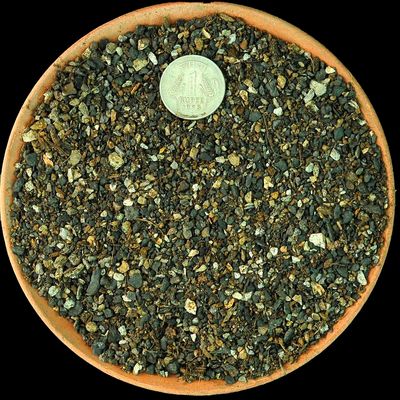
FORTIFIED Cactus & Succulent SOIL (FINE)
FORTIFIED Cactus & Succulent SOIL (FINE)
SKU MNS002
5.0
(4)
₹49.85
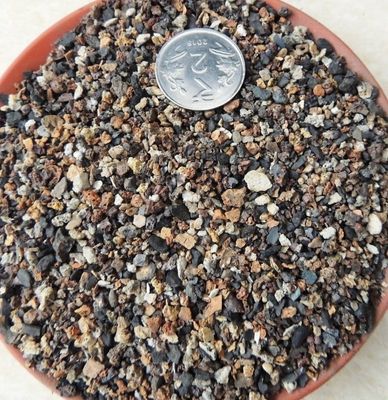
Cactus & Succulent Planting Mix FINE (aka Cactus Soil Mix or Succulent Soil Mix)
Cactus & Succulent Planting Mix FINE (aka Cactus Soil Mix or Succulent Soil Mix)
Fine-Grain Potting Mix for Cactus & Succulent Roots
SKU MNS001
5.0
(3)
₹39.85

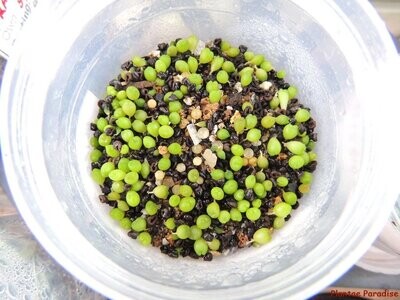
Cactus Seed Planting Mix
Cactus Seed Planting Mix
Sterile, Fine-Grain Media for Cactus & Succulent Seeds
SKU MNS005
₹74.85
New
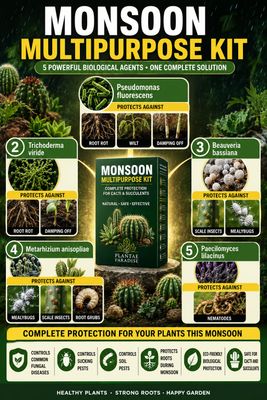
Monsoon Guardian Kit (5 in 1)
Monsoon Guardian Kit (5 in 1)
Complete 5-in-1 biological protection kit for cacti & succulents
SKU MNS024
₹850.00
Display prices in:INR
