
Categories
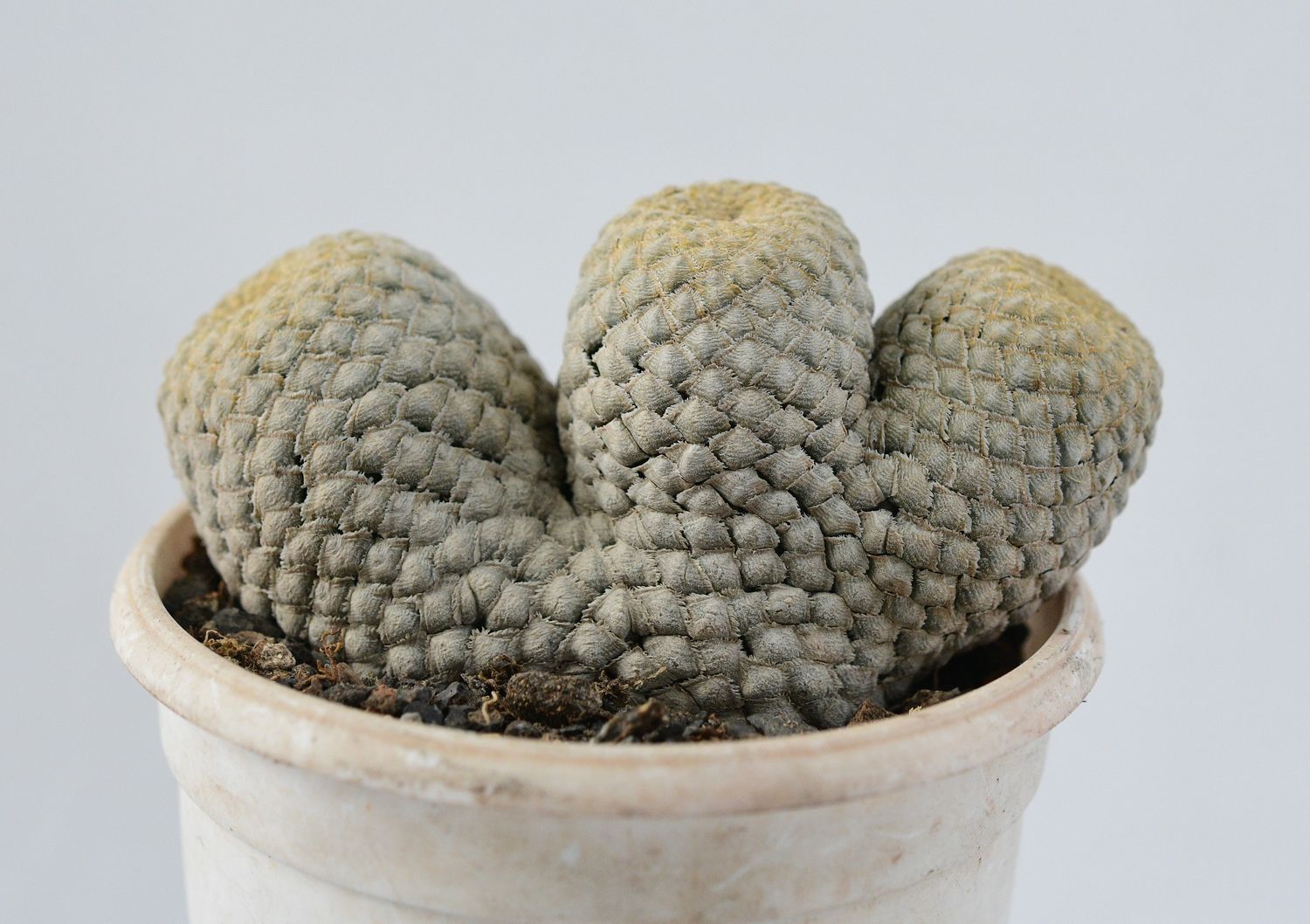
Euphorbia piscidermis crest
SKU EU064
₹1 600.00
Sold out
Sold out
Save this product for later
Customer reviews
Reviews only from verified customers
No reviews yet. You can buy this product and be the first to leave a review.
Euphorbia piscidermis crest
Product Details
Architectural Rarity: Euphorbia piscidermis crest
A sculptural masterpiece for the connoisseur, defining the pinnacle of geometric adaptation in the succulent world.
- Origin & History of Name: The specific epithet piscidermis is derived from the Latin piscis (fish) and the Greek derma (skin), directly referencing the plant’s unique scale-like tubercles.
It was first described by botanists Michael Gilbert and Susan Carter in 1975. The "crest" designation indicates a fasciation mutation, where the apical meristem grows in a ribbon-like fashion rather than a single point, a rare phenomenon highly prized in horticulture. - Morphology: This specimen exhibits a distinct "crested" growth habit, forming undulating, fan-shaped ridges.
Its epidermis is covered in tightly packed, decussate tubercles that mimic fish scales. Unlike many Euphorbia, it lacks prominent spines, instead featuring a corky, tessellated texture. This mutation creates a high surface-area-to-volume ratio, making each plant a unique, living sculpture. - Habitat & Origin: The base species is a wild endemic found only in a restricted limestone region of Ethiopia.
However, the crested form is a cultivar propagated through careful grafting and offset selection. Our specimens are nursery-grown via sustainable micro-propagation or grafting on Euphorbia canariensis stock to ensure longevity and protect wild populations from poaching. - Cultivation Profile:
- Substrate: Use a strictly mineral-based mix (70% inorganic). A blend of coarse silica sand, crushed brick, and pumice is ideal for the Indian climate to prevent root rot.
- Light: Requires bright, indirect light.
In the Indian subcontinent, provide 40-50% shade cloth protection during peak summer (April–June) to prevent epidermal scorching. - Water/Dormancy: Follow a "soak and dry" cycle. Withhold water almost entirely during the humid monsoon and the cool winter dormancy (December–January) to avoid fungal pathogens.
- Scientific/Historical Anecdote: Euphorbia piscidermis remained unknown to the botanical world until the mid-1970s due to its incredible crypsis; its scale-like body blends perfectly with the limestone pebbles of its native Ethiopian habitat. It is considered a classic example of convergent evolution, where a plant evolves a "pebble-mimic" strategy similar to the Lithops of Southern Africa, despite being unrelated.
You May Also Like
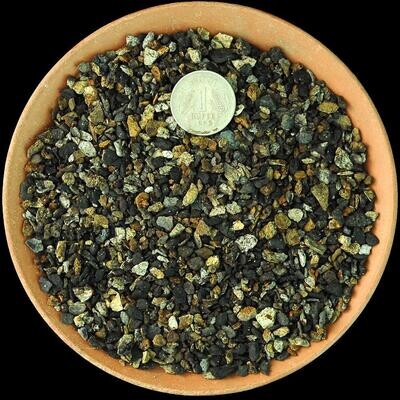
Cactus & Succulent Planting Mix COARSE (aka Cactus Soil Mix or Succulent Soil Mix)
Cactus & Succulent Planting Mix COARSE (aka Cactus Soil Mix or Succulent Soil Mix)
Washed, Free-Draining Mineral Mix for Cactus & Succulents
SKU MNS003
5.0
(1)
₹44.85
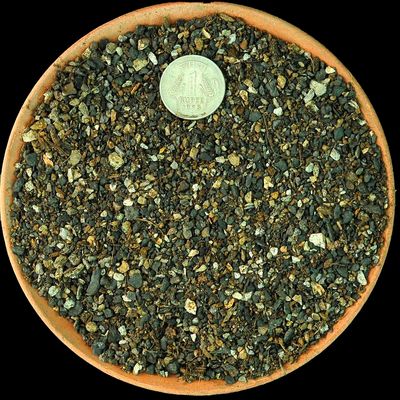
FORTIFIED Cactus & Succulent SOIL (FINE)
FORTIFIED Cactus & Succulent SOIL (FINE)
SKU MNS002
5.0
(4)
₹49.85


Cactus & Succulent Planting Mix FINE (aka Cactus Soil Mix or Succulent Soil Mix)
Cactus & Succulent Planting Mix FINE (aka Cactus Soil Mix or Succulent Soil Mix)
Fine-Grain Potting Mix for Cactus & Succulent Roots
SKU MNS001
5.0
(3)
₹39.85
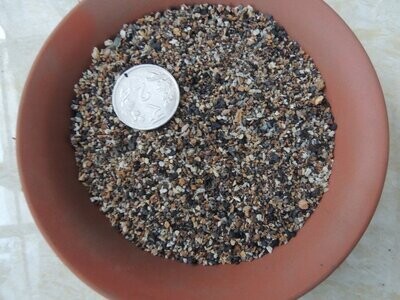
Cactus Seed Planting Mix
Cactus Seed Planting Mix
Sterile, Fine-Grain Media for Cactus & Succulent Seeds
SKU MNS005
₹74.85
Display prices in:INR
