
Categories
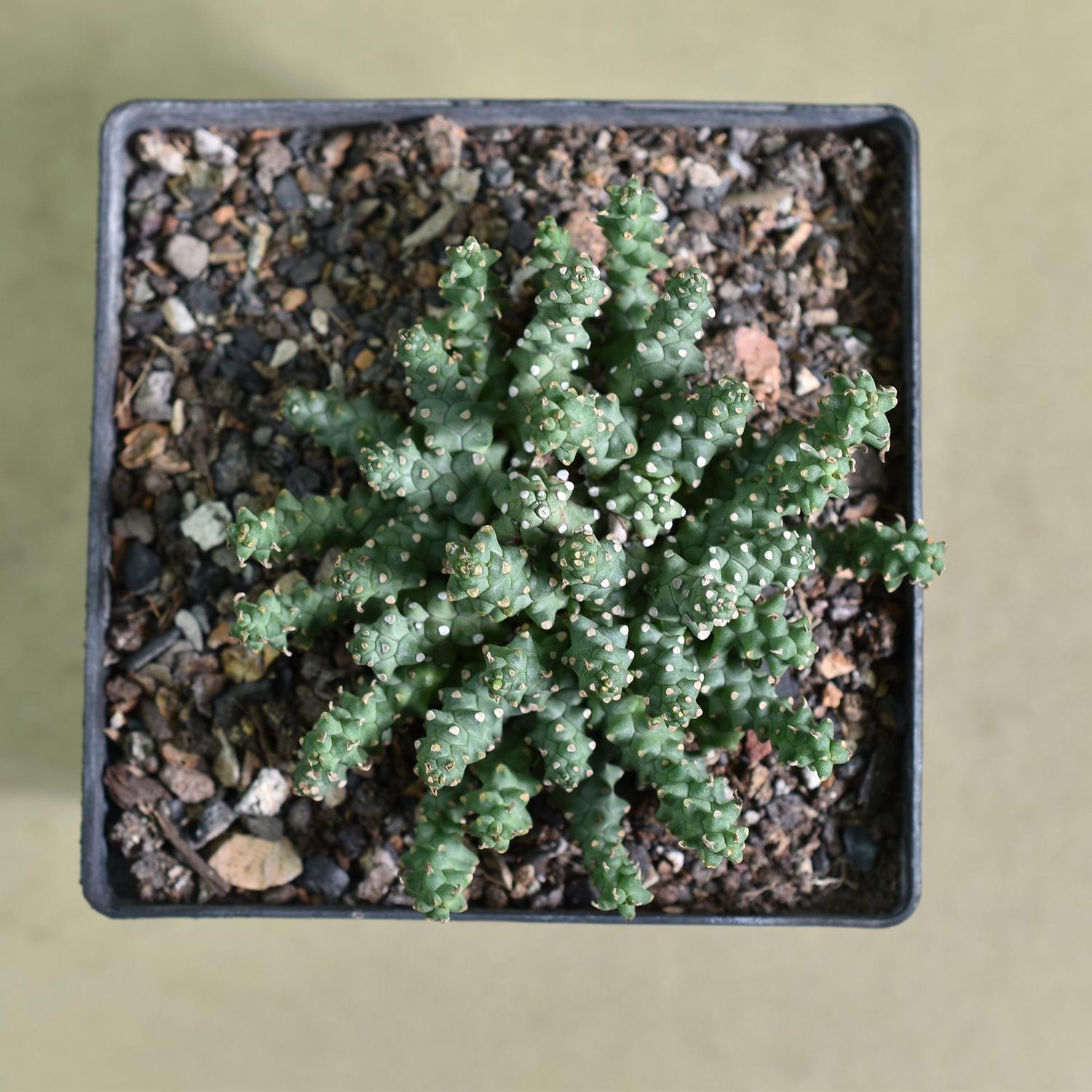
Euphorbia planiceps
SKU EU147
₹4 500.00
Sold out
Sold out
Save this product for later
Customer reviews
Reviews only from verified customers
No reviews yet. You can buy this product and be the first to leave a review.
Euphorbia planiceps
Product Details
Architectural Elegance: Euphorbia planiceps
A geometrically precise masterpiece for the discerning rare succulent collector.
- Origin & History of Name: The name is derived from the Greek Euphorbia, honoring Euphorbus, the Greek physician to King Juba II of Mauritania, and the Latin planiceps, a compound of planus (flat) and -ceps (headed). This refers to the characteristic flattened or "level-headed" appearance of the plant's apex as it grows.
- Morphology: This succulent features a cylindrical, globose body that is often depressed at the top. It is characterized by its prominent costae (vertical ribs) which are lined with small, dark leaf scars or tiny spines along the margins. The epidermis typically presents a matte, glaucous green hue, sometimes developing a reddish tint when exposed to high light levels, providing a striking structural symmetry.
- Habitat & Origin: Euphorbia planiceps is a wild species native to the rocky, arid regions of Somalia in the Horn of Africa. These plants are slow-growing and highly specialized to their environment. Sustainably sourced specimens are typically seed-grown in nurseries to protect wild populations from over-harvesting.
- Cultivation Profile:
- Substrate: Use a strictly mineral-based mix consisting of 70% gritty material (pumice, crushed brick, or perlite) and 30% organic matter to ensure rapid drainage.
- Light: Requires bright, indirect sunlight. In the Indian subcontinent, provide 40-50% shade during the intense peak summer months (April–June) to prevent epidermal scorching.
- Water/Dormancy: Water deeply only when the medium is completely bone-dry. During the monsoon and winter months, the plant enters a semi-dormancy; reduce watering significantly to avoid root rot in high humidity.
- Scientific/Historical Anecdote: Many members of the Euphorbia genus, including E. planiceps, produce a milky white latex that contains diterpene esters.
Historically, while this sap is a skin irritant, various Euphorbia species have been used in traditional medicine for centuries, and modern researchers are currently studying these unique chemical compounds for potential applications in treating skin cancers and viral infections.
You May Also Like
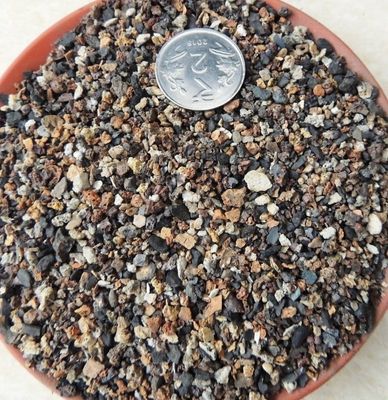
Cactus & Succulent Planting Mix FINE (aka Cactus Soil Mix or Succulent Soil Mix)
Cactus & Succulent Planting Mix FINE (aka Cactus Soil Mix or Succulent Soil Mix)
Fine-Grain Potting Mix for Cactus & Succulent Roots
SKU MNS001
5.0
(3)
₹39.85
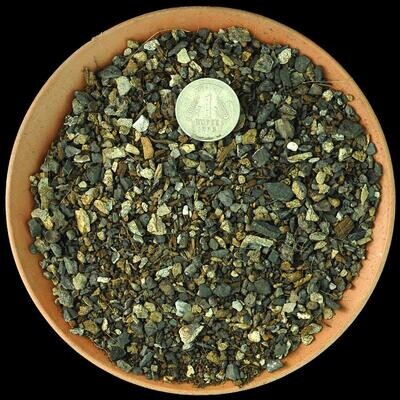
FORTIFIED Cactus & Succulent SOIL (COARSE)
FORTIFIED Cactus & Succulent SOIL (COARSE)
SKU MNS004
5.0
(11)
₹54.85
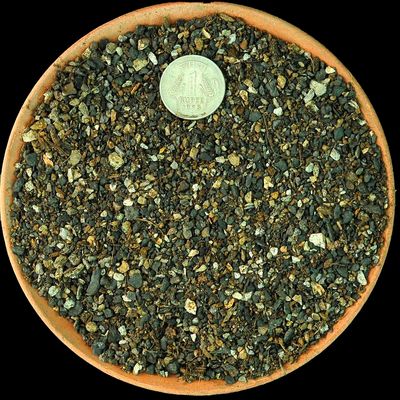
FORTIFIED Cactus & Succulent SOIL (FINE)
FORTIFIED Cactus & Succulent SOIL (FINE)
SKU MNS002
5.0
(4)
₹49.85
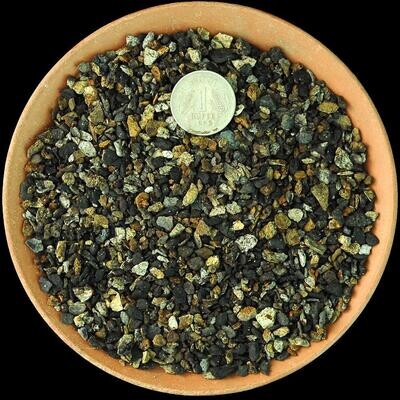
Cactus & Succulent Planting Mix COARSE (aka Cactus Soil Mix or Succulent Soil Mix)
Cactus & Succulent Planting Mix COARSE (aka Cactus Soil Mix or Succulent Soil Mix)
Washed, Free-Draining Mineral Mix for Cactus & Succulents
SKU MNS003
5.0
(1)
₹44.85
Display prices in:INR
